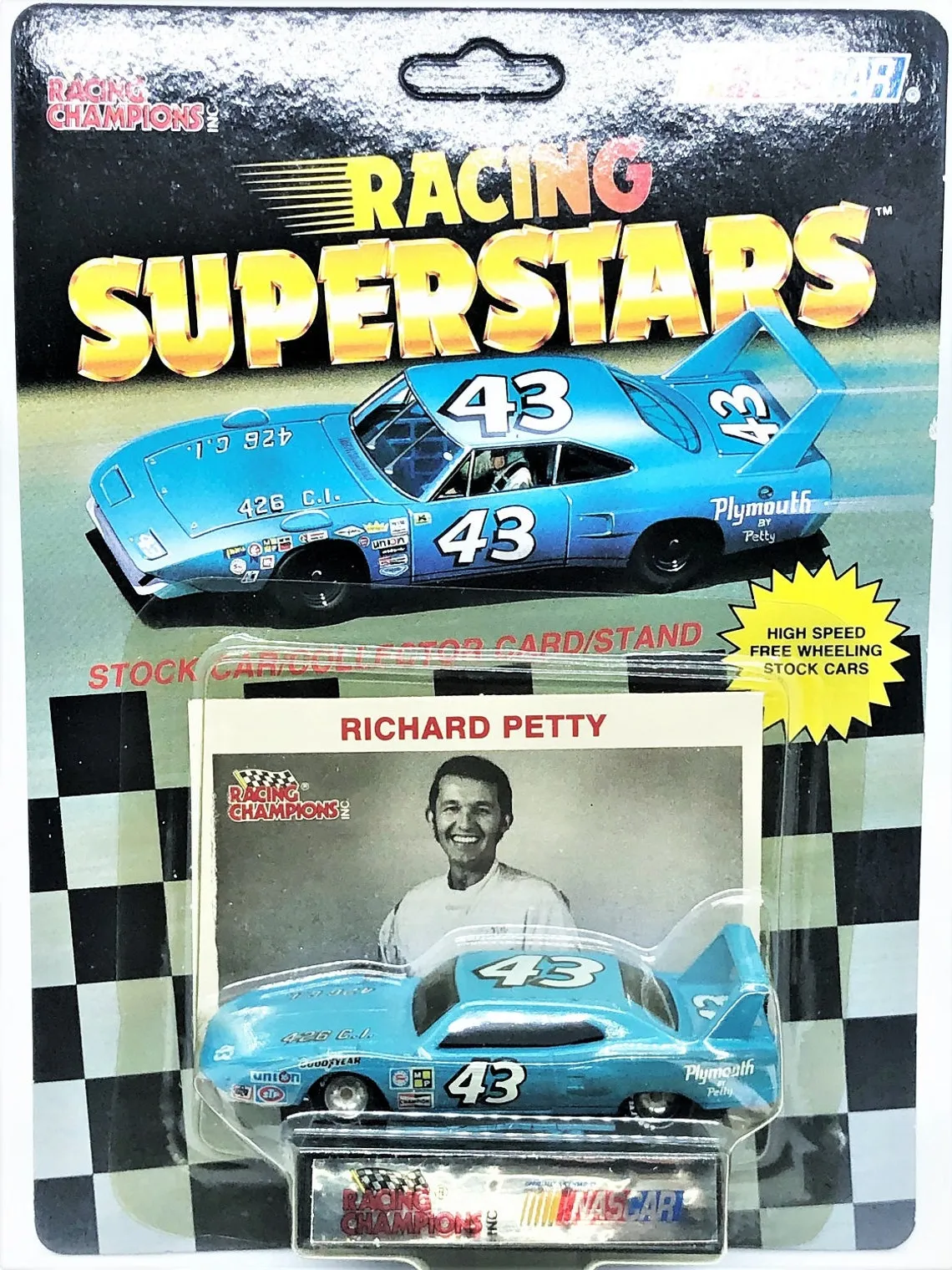
The Legend of Richard Petty and the Superbird
Richard Petty, the King of NASCAR, and the Plymouth Superbird are inextricably linked in the annals of racing history. Their partnership produced some of the most iconic moments and legendary performances in the sport. This article delves into the compelling story of this dynamic duo, from the Superbird’s revolutionary design to its impact on Petty’s illustrious career and the enduring legacy that resonates with racing enthusiasts and collectors alike. The Superbird wasn’t just a car; it was a symbol of Petty’s dominance and innovation in NASCAR. The combination of Petty’s skill behind the wheel and the Superbird’s groundbreaking engineering made them a force to be reckoned with on the track. The car’s distinctive features, bold colors, and powerful engine made it an instant sensation, captivating fans and solidifying its place in automotive history.
Petty’s Impact on NASCAR
Richard Petty’s influence on NASCAR extends far beyond his victories. His driving style, sportsmanship, and dedication to the sport helped shape NASCAR into the popular spectacle it is today. Petty’s connection with the Superbird further amplified his fame, as the car’s unique look and exceptional performance perfectly complemented his racing prowess. He wasn’t just winning races; he was captivating audiences, building a loyal fan base, and contributing significantly to NASCAR’s growing popularity. His dedication to the sport and his willingness to adapt and innovate, as seen with the Superbird, made him a true pioneer. He has left an indelible mark on the sport, inspiring countless drivers and enthusiasts. He became synonymous with NASCAR, and his legacy continues to influence the sport’s culture.
The Birth of the Plymouth Superbird

The Plymouth Superbird was born out of a need for speed and dominance in NASCAR. In the late 1960s, the Ford Motor Company was dominating NASCAR with their aerodynamic vehicles, particularly the Ford Torino Talladega. To compete, Chrysler, and specifically Plymouth, needed a car that could keep up. The Superbird was the result of this endeavor, a heavily modified version of the Plymouth Road Runner, designed with one goal to win races. The Superbird was created to legalize the aerodynamic modifications that Chrysler wanted to use in NASCAR competition. The development was a bold move, as it required significant changes to the standard Road Runner and was a testament to Chrysler’s commitment to racing success. The Superbird’s unique features were immediately recognizable and served a specific purpose to improve aerodynamics and increase speed on the track.
Design and Aerodynamics of the Superbird
The design of the Plymouth Superbird was revolutionary for its time, emphasizing aerodynamics to gain a competitive edge in NASCAR. The most distinctive features were the extended nose cone and the towering rear wing, which were meticulously engineered to reduce drag and increase downforce. These features were not just cosmetic; they were critical to the car’s performance, allowing it to slice through the air with greater efficiency. The design team spent countless hours in wind tunnels and on test tracks, refining the aerodynamics to maximize speed and stability. The result was a car that was as visually striking as it was effective, a testament to the power of engineering and innovation. The Superbird’s design was a bold statement, signaling Chrysler’s intent to dominate the racing scene and showcasing the potential of aerodynamic design in motorsports.
The Iconic Wing and Nose Cone
The Superbird’s towering rear wing and elongated nose cone were more than just styling elements; they were crucial components in its aerodynamic design. The wing, which was mounted high on the rear of the car, provided significant downforce, pressing the rear tires onto the track and enhancing grip, especially at high speeds. The nose cone, which extended several inches beyond the standard Road Runner, helped to reduce drag by smoothing the airflow over the front of the car. Together, these features transformed the Superbird into a formidable racing machine, capable of achieving speeds and handling that were previously unattainable. The wing and nose cone were a testament to Chrysler’s commitment to innovation. These design elements significantly contributed to the car’s success on the track, making it a legend.
The Superbird’s Powerful Engine

Complementing the Superbird’s aerodynamic design was its powerful engine, which provided the necessary horsepower to compete at the highest levels of NASCAR. The car was primarily powered by the legendary 426 Hemi engine, a high-performance V8 that was renowned for its exceptional power and reliability. This engine, combined with the Superbird’s aerodynamic enhancements, allowed Richard Petty to dominate the competition, achieving numerous victories and championships. The choice of engine was critical, as it had to be powerful enough to propel the car to victory while also being durable enough to withstand the rigors of professional racing. The Superbird’s engine was a key factor in its success on the track, ensuring that it could keep pace with and often outrun its rivals. It was a perfect match for the Superbird’s design.
The 426 Hemi Engine
The 426 Hemi engine, also known as the ‘Elephant’ engine, was a game-changer in NASCAR. Its unique hemispherical combustion chambers allowed for improved airflow and more efficient fuel burning, resulting in increased horsepower and torque. This engine was a technological marvel, and it quickly became the engine of choice for many of the top racing teams. The Hemi engine’s performance was legendary, and it played a crucial role in Richard Petty’s success, enabling him to win races and championships. The Hemi was a symbol of power and performance and remains iconic. It’s a testament to the innovation and engineering of the era. The engine’s impact on NASCAR cannot be overstated; it redefined performance standards and cemented its place in racing history.
5 Facts About Richard Petty’s Superbird
Fact 1 Petty’s Dominance in the Superbird

Richard Petty’s dominance in the Superbird was undeniable. He achieved numerous victories and championships with the car, solidifying his reputation as one of the greatest drivers in NASCAR history. His ability to handle the car, combined with its superior performance, made him a force to be reckoned with on the track. The Superbird was an extension of his skill and determination, allowing him to consistently outperform his rivals. This winning streak was more than just luck; it was the result of strategic racing, skillful driving, and a perfect partnership between man and machine. The Superbird became synonymous with Petty’s winning ways.
Fact 2 The Superbird’s Short-Lived Career
Despite its success, the Superbird’s racing career was relatively short-lived. NASCAR imposed restrictions on the car, and its unique design was deemed controversial by some competitors. These factors, coupled with changes in the racing rules, eventually led to the Superbird being phased out. This did not diminish its impact; in fact, it enhanced the car’s legendary status. Its brief but brilliant career cemented its place in history, making it a highly sought-after collectible. The Superbird’s rarity and the limited time it was on the track only served to increase its mystique. The Superbird’s legacy lives on even though it wasn’t raced for long.
Fact 3 The Road Runner Connection
The Superbird was based on the Plymouth Road Runner, a popular muscle car known for its affordability and performance. The Superbird took the Road Runner’s foundation and added aerodynamic enhancements to make it a dominant force on the track. The connection to the Road Runner allowed Plymouth to leverage the popularity of the muscle car while still creating a unique racing vehicle. The Superbird’s design was a clear evolution of the Road Runner, integrating its base features with the necessary modifications for racing success. The Road Runner’s influence can be seen in the Superbird’s overall silhouette. This connection helped the Superbird resonate with both racing fans and car enthusiasts.
Fact 4 Collectibility and Value
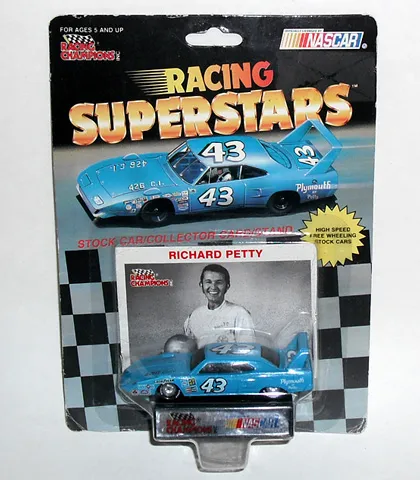
Today, the Plymouth Superbird is highly collectible, with its value determined by factors such as condition, originality, and provenance. The Superbird’s rarity and historical significance make it a prized possession for car collectors worldwide. The Richard Petty connection further increases its value, as any item associated with the King of NASCAR is highly sought after. The price of a Superbird can range from tens of thousands to hundreds of thousands of dollars, depending on its condition and historical significance. The collectible status of the Superbird is a testament to its enduring appeal and its place in automotive history. It represents a significant investment for collectors.
Fact 5 The Legacy of the Superbird
The legacy of the Plymouth Superbird is vast and continues to inspire. Its innovative design, combined with Richard Petty’s skill, created a legend that continues to influence racing. The car’s success on the track and its distinctive appearance have made it an icon. It is a symbol of a bygone era of racing, when innovation and daring design were prioritized. The Superbird remains a symbol of speed, style, and the enduring spirit of racing. Its legacy is carried on through collectible diecast models, which is a reminder of the car’s impact. The Superbird continues to be celebrated by fans and enthusiasts.
Collecting Richard Petty Superbird Diecast
Collecting Richard Petty Superbird diecast models is a rewarding hobby that allows enthusiasts to own a piece of racing history. These models come in various scales and are often highly detailed replicas of the actual race cars. The appeal of collecting these diecasts lies in the combination of historical significance, aesthetic appeal, and the thrill of the hunt. Finding the perfect model, whether it’s a specific race, a limited edition, or a model with special features, is a fulfilling experience for any collector. The act of collecting also brings the enjoyment of connecting with a community of enthusiasts who share your passion.
Where to Find Authentic Diecast Models

Authentic Richard Petty Superbird diecast models can be found through various channels, including online marketplaces, specialty diecast shops, and collector’s events. Websites like eBay and dedicated diecast forums often have a wide selection. Specialty shops that focus on vintage cars and racing memorabilia are also good places to start. Collector’s events and car shows offer opportunities to find rare models. Careful research and due diligence are essential when purchasing, to ensure authenticity and avoid counterfeit items. Assessing the model’s condition, including any damage or wear and tear, is also crucial. It is important to be patient and persistent when looking for the right model.
Factors Affecting Diecast Value
Several factors influence the value of Richard Petty Superbird diecast models. Rarity is a major factor, as limited-edition models or those with unique features tend to command higher prices. The condition of the model is crucial; mint-condition models with original packaging are the most valuable. Authenticity and provenance also play a significant role, with models that have a clear history and documentation being highly sought after. Any original packaging and documentation adds to the model’s value. The interest of the collecting community also plays a significant role; the more popular a model, the higher its price. It is important to carefully examine any model before purchasing.
Maintaining Your Superbird Collection
Maintaining a Richard Petty Superbird diecast collection involves proper storage and care. Models should be stored in a controlled environment, away from direct sunlight and extreme temperatures, to prevent fading and damage. Displaying the models in a dust-free environment will help to preserve their condition. Handling models with clean hands and using soft cloths for dusting and cleaning are also recommended. Consider using protective display cases to keep the models safe from accidental damage. Regularly inspecting the models for any signs of deterioration and taking prompt action is critical. The goal is to keep them in prime condition and ensure they retain their value for years to come. Proper care ensures your collection continues to provide enjoyment.