What You’ll Need to Remove Paint
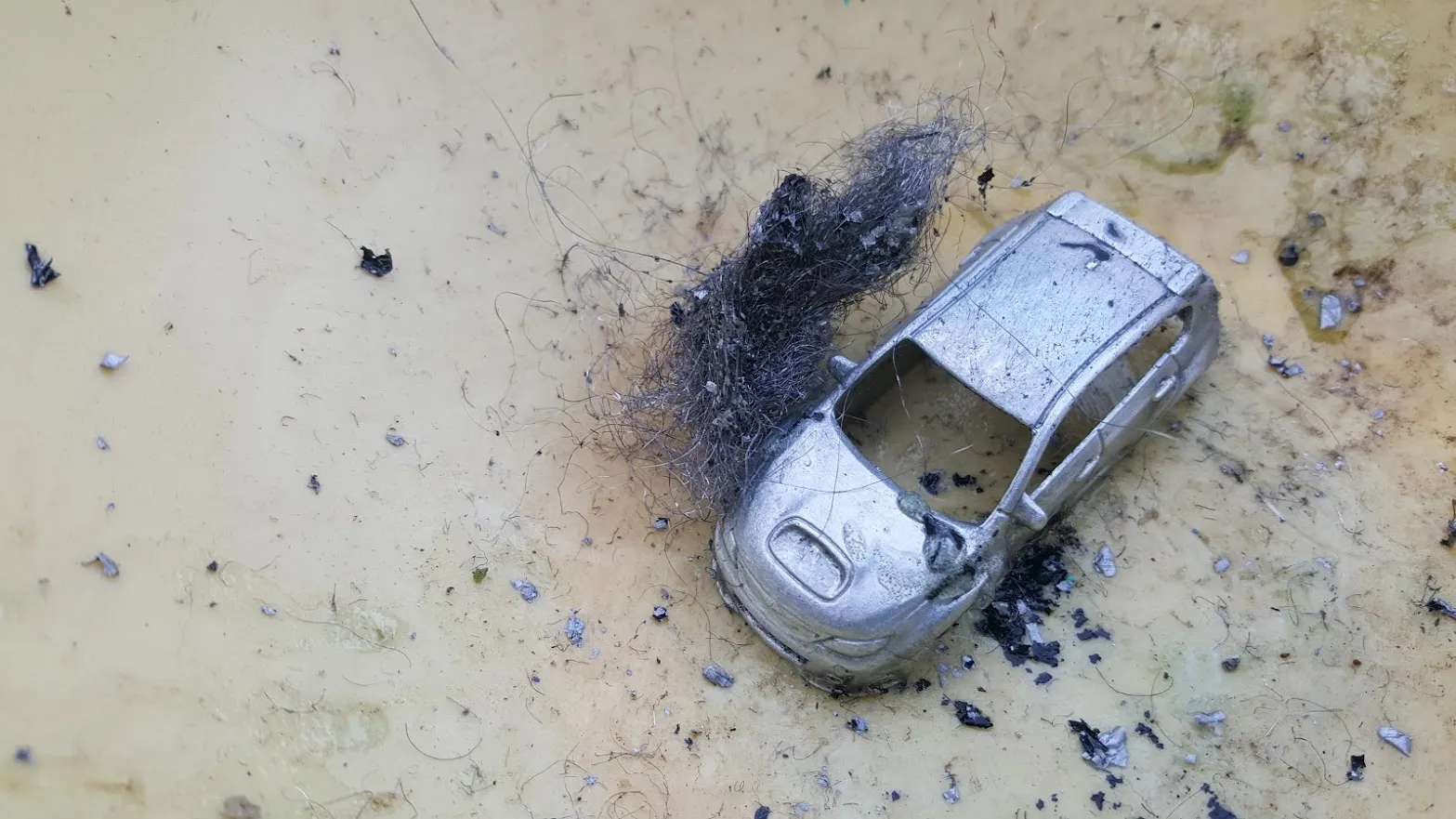
Removing paint from diecast cars can breathe new life into your collection or prepare models for custom repaints. However, it requires the right tools and materials. Before you start, gather essential items like chemical paint strippers (ensure they are safe for metal), various grades of sandpaper (wet and dry), a soft brush, a container for the stripping solution, gloves, safety glasses, and a well-ventilated workspace. You may also need tools for disassembly, such as small screwdrivers, and items for cleaning, like soap and water. Having these supplies readily available streamlines the process, making it more efficient and less frustrating. The right tools are crucial for achieving the desired results without damaging the delicate diecast metal. This preparation is the first step to a successful paint removal project.
Safety First Protecting Yourself and Your Workspace
Safety should be your top priority when working with paint removal products. Always wear appropriate personal protective equipment (PPE), including safety glasses to protect your eyes from splashes, chemical-resistant gloves to shield your skin, and a respirator or mask to avoid inhaling harmful fumes. Work in a well-ventilated area, ideally outdoors or in a space with excellent airflow. Protect your workspace by covering it with a drop cloth or old newspapers to prevent spills from damaging surfaces. Dispose of used paint strippers and waste materials responsibly, following local regulations. Taking these precautions will ensure a safer and more enjoyable experience, minimizing potential health risks and property damage. Remember that proper ventilation is critical; working in a closed space can lead to the accumulation of dangerous fumes.
Choosing the Right Paint Removal Method for Diecast Cars

Selecting the appropriate paint removal method depends on several factors, including the type of paint used on the diecast car, the level of detail, and your experience. Common methods include chemical paint strippers, mechanical sanding, and alternative techniques like baking soda blasting or ultrasonic cleaning. Chemical strippers are effective for removing multiple layers of paint but require careful handling and can affect delicate parts. Mechanical sanding offers more control, especially for intricate details, but it’s labor-intensive and carries a risk of scratching the metal. Baking soda blasting is a gentler option ideal for detailed models, whereas ultrasonic cleaners can be used for removing paint from small parts after chemical stripping or sanding. Consider the condition of your model, the desired outcome, and your skill level when choosing your method. Researching the pros and cons of each approach ensures you select the most suitable technique for your specific needs. This careful selection will maximize the chances of a successful and damage-free paint removal process.
Chemical Paint Strippers
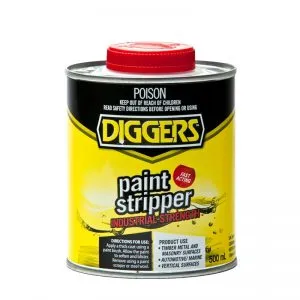
Chemical paint strippers are a popular choice for removing paint from diecast cars due to their effectiveness in dissolving multiple layers of paint quickly. These strippers typically come in liquid or gel form, with gel formulas being easier to apply to vertical surfaces. When selecting a stripper, choose one specifically designed for metal surfaces and compatible with the type of paint used on the diecast car. Always read the product’s instructions carefully and test it on a small, inconspicuous area of the model to ensure it doesn’t damage the metal or plastic parts. Common ingredients in chemical strippers include methylene chloride, N-methyl pyrrolidone (NMP), or other solvents. Be aware of the safety precautions required when using these chemicals, including wearing gloves, eye protection, and working in a well-ventilated area. Following these guidelines ensures that you can effectively remove paint without damaging your diecast model or exposing yourself to unnecessary risks.
Detailed Steps on Using Chemical Strippers
Using chemical strippers effectively involves several key steps. First, disassemble the diecast car as much as possible to separate the metal body from plastic parts and other components. Apply the stripper to the painted surfaces, ensuring complete coverage. Let the stripper sit for the recommended time, which can vary depending on the product and the paint type. You should observe the paint softening and bubbling. After the specified time, use a soft brush or plastic scraper to gently remove the softened paint. Avoid using metal tools that could scratch the diecast metal. Rinse the model thoroughly with water or the solvent recommended by the stripper’s manufacturer to remove any remaining chemical residue. Be patient and avoid rushing the process, and if necessary, repeat the application if the paint is not completely removed. By following these steps, you can safely and effectively use chemical strippers to remove paint from your diecast cars.
Precautions and Safety Measures for Chemical Strippers

Using chemical strippers requires strict adherence to safety measures. Always wear chemical-resistant gloves, safety glasses, and a respirator or mask to protect your skin, eyes, and respiratory system from harmful fumes. Work in a well-ventilated area, preferably outdoors or in a space with adequate airflow. Avoid contact with skin and eyes; if contact occurs, flush immediately with water and seek medical attention if needed. Do not mix chemical strippers with other chemicals, as this can create dangerous reactions. Properly dispose of used strippers and waste materials according to local regulations. Keep chemical strippers away from children and pets. Following these safety precautions minimizes risks associated with chemical strippers, allowing you to remove paint safely and effectively. Ignoring these precautions can lead to serious health problems. Remember that chemical strippers are powerful and require careful handling.
Mechanical Paint Removal Techniques
Mechanical paint removal, often involving sanding, provides a more hands-on approach to removing paint from diecast cars, offering greater control and precision, especially when dealing with intricate details. The primary methods include wet sanding and dry sanding, each with its own advantages and disadvantages. These techniques require varying grades of sandpaper, allowing for gradual removal of paint without damaging the underlying metal. It’s crucial to select the appropriate grit of sandpaper to avoid deep scratches. Mechanical sanding is generally less aggressive than chemical stripping, making it suitable for delicate models or when you want more control over the process. This approach, however, is labor-intensive and can be time-consuming, so patience and a steady hand are essential. Proper preparation, including the selection of appropriate sanding tools and techniques, ensures effective paint removal while minimizing the risk of damaging the diecast model.
Wet Sanding Techniques
Wet sanding involves using water with sandpaper to remove paint from diecast cars, helping to reduce heat and dust, and minimizing scratches. The process involves soaking the sandpaper in water before sanding and continuously wetting the surface during the process. This creates a slurry that helps to remove the paint and reduces the risk of clogging the sandpaper. Start with a coarser grit sandpaper (e.g., 400-grit) to remove the bulk of the paint, gradually moving to finer grits (e.g., 800, 1000, 1500) to smooth the surface. The constant water application helps to keep the sandpaper clean and prevents the paint from sticking to it. Wet sanding is generally less aggressive than dry sanding, making it suitable for delicate models and detailed work. Regular rinsing of the surface and sandpaper is crucial to remove paint residue and maintain effectiveness. Wet sanding requires patience, but the results are usually smoother and more refined, providing an excellent surface for repainting.
Dry Sanding Techniques

Dry sanding is a more traditional method for removing paint from diecast cars, involving the use of sandpaper without water. It’s generally faster than wet sanding but produces more dust and heat. When dry sanding, start with coarser grit sandpaper (e.g., 320-grit) to remove the bulk of the paint and gradually move to finer grits (e.g., 600, 800, 1000) to smooth the surface. Use a sanding block or a similar tool to apply even pressure and avoid creating uneven surfaces. Work in a well-ventilated area and wear a dust mask to protect your respiratory system. Inspect the surface regularly to monitor progress and prevent over-sanding, which could damage the metal. Dry sanding can be efficient, but be prepared for a mess and potential for scratches. Remember that the heat generated can potentially warp plastic parts, so be careful and consider this factor when using this method. Proper technique and patience are essential for achieving a smooth finish.
Detailed Steps on Wet and Dry Sanding
Regardless of whether you choose wet or dry sanding, the process involves several key steps. Begin by disassembling the diecast car to separate the body from the chassis, wheels, and other components. Start sanding with the appropriate grit sandpaper (wet or dry, depending on your chosen method), applying even pressure and using consistent strokes. For wet sanding, keep the surface and sandpaper wet, and for dry sanding, use a sanding block to avoid uneven pressure. Regularly check your progress and switch to finer grits as you remove the paint. After removing the paint, thoroughly clean the surface to remove any sanding residue. Inspect the model for any imperfections or damage. Wet sanding requires more patience, while dry sanding can be faster but generates more dust. The key is to work systematically, using appropriate grit sandpaper, and maintaining consistent pressure. This careful approach will ensure a smooth, paint-ready surface for your diecast model.
Pros and Cons of Mechanical Paint Removal
Mechanical paint removal offers several advantages. It provides excellent control over the paint removal process, making it ideal for detailed models or when you want to preserve intricate features. The risk of chemical exposure is reduced, and you can work at your own pace. However, mechanical sanding has its disadvantages. It is more labor-intensive and time-consuming than chemical stripping. There’s a higher risk of scratching the metal surface if you’re not careful. The process can also generate a significant amount of dust (especially with dry sanding), requiring thorough cleaning of your workspace and respiratory protection. Mechanical sanding, while offering excellent control, demands patience, proper technique, and careful attention to detail to avoid damaging the model. Choosing the right grit sandpaper and applying even pressure are critical to minimizing the risks. Understanding the pros and cons helps determine if mechanical paint removal suits your needs.
Alternative Paint Removal Methods
Beyond chemical stripping and sanding, several alternative paint removal methods can be used for diecast cars. These techniques offer unique advantages and may be suitable for specific situations or preferences. Two popular alternatives are baking soda blasting and ultrasonic cleaning. Baking soda blasting uses a fine stream of baking soda propelled by compressed air to gently remove paint, making it ideal for detailed models without damaging the metal. Ultrasonic cleaners use sound waves in a liquid solution to remove paint and other contaminants from small parts. Each of these methods has its own requirements in terms of equipment, safety precautions, and the types of parts it is best suited for. Experimenting with these different techniques may provide you with better results, depending on the complexity of your model and the resources you have at your disposal. Learning about alternative paint removal methods expands your options and allows you to tailor the process to your project’s needs.
Using Baking Soda Blasting
Baking soda blasting is a gentle method for removing paint from diecast cars, particularly those with intricate details. It involves using a specialized blasting cabinet or setup to propel fine particles of baking soda against the painted surface. The abrasive action of the baking soda removes the paint without harming the underlying metal, making it a safer alternative to harsher methods. Baking soda blasting is especially beneficial for removing paint from hard-to-reach areas or detailed parts. It requires specific equipment, including a blasting cabinet, an air compressor, and a supply of baking soda. Always wear protective gear, including safety glasses and a dust mask, to prevent injury. The process involves adjusting the air pressure and the distance from the nozzle to the model to achieve optimal results. Baking soda blasting offers a less aggressive way to remove paint, preserving the intricate details of your diecast cars. It’s a good option for those who are new to paint removal or who are working on delicate models.
Using Ultrasonic Cleaners
Ultrasonic cleaners utilize high-frequency sound waves in a liquid solution to remove paint and other contaminants from small parts of diecast cars. While not ideal for removing paint from the entire model body, ultrasonic cleaning is highly effective for stripping paint from small components like wheels, interior parts, or engines. The process involves placing the parts in a cleaning solution within the ultrasonic cleaner. The sound waves create microscopic bubbles that implode, removing paint and grime. Ultrasonic cleaning offers a fast and efficient way to clean small parts, especially after they have been chemically stripped or sanded. Always use a cleaning solution that is safe for metal parts. The duration of the cleaning cycle depends on the level of paint removal needed. This method is a great way to remove residual paint, ensuring a clean surface before repainting or reassembly. Proper rinsing and drying after the cleaning is essential to prevent corrosion.
Choosing the Right Method for Your Car

Selecting the best paint removal method for your diecast car depends on several factors. Consider the type of paint used on your model, the level of detail, and the materials used. Chemical stripping is often the quickest option, suitable for removing multiple paint layers, but requires careful handling. Mechanical sanding provides good control, ideal for detailed models, but it is labor-intensive. Baking soda blasting is gentle and works well on detailed parts, while ultrasonic cleaning is excellent for small components. Assess your skills, available equipment, and the time you want to dedicate to the project. Test your chosen method on an inconspicuous area of the model to ensure compatibility and avoid damage. By evaluating all aspects, you can choose the paint removal method that best meets your needs and guarantees a successful and satisfying outcome. Choosing the right method is critical, as the wrong one can lead to damaging the car.
Preparing the Diecast Car for Paint Removal
Preparing your diecast car is a crucial step to successful paint removal. First, clean the car thoroughly to remove any dirt, grime, or grease. Use a mild soap and water solution and a soft brush to prevent scratches. Evaluate the model for any damage or areas needing repair before paint removal. This will help you focus your effort and decide if any preparatory steps are needed. Next, disassemble the car as much as possible. This often involves removing wheels, windows, interior parts, and any other detachable components. Disassembly helps you access all painted surfaces and protects the delicate parts from damage during the paint removal process. This is particularly important when using chemical strippers or mechanical sanding. Properly preparing your diecast car sets the foundation for the whole process, guaranteeing a cleaner and more effective removal of paint.
Disassembling the Car
Disassembling the diecast car is a critical step in preparing for paint removal, as it ensures you can effectively remove paint without damaging delicate parts. Start by identifying the components that can be detached, such as wheels, windows, interior parts, and any decorative elements. Use small screwdrivers, tweezers, and other appropriate tools to carefully separate these parts from the car’s body. Take photos or make notes to remember how the car was assembled to aid reassembly later. Place all removed parts in separate containers to avoid losing them. Disassembling the car will prevent damage during the paint removal process, particularly when using chemical strippers or mechanical sanding. It enables better access to painted surfaces and ensures each component is properly cleaned and prepared for the repainting stage. Careful disassembly will pay dividends throughout the entire restoration.
Protecting Delicate Parts

When removing paint from a diecast car, it is crucial to protect delicate parts to prevent damage. These parts include clear windows, intricate details, and any components that are not meant to be painted. To protect clear windows, wrap them with masking tape or remove them entirely before the paint removal process begins. For detailed parts like trim or emblems, consider using a specialized paint stripper or sanding technique that offers more control. Avoid harsh chemicals or abrasive sanding on fragile areas. If possible, remove these detailed parts before paint removal. If they must remain attached, carefully mask them before you begin. Prioritizing the protection of delicate parts assures you can preserve the intricate details and preserve the original look of your model car. This meticulous approach ensures a successful restoration process.
The Paint Removal Process Step-by-Step
The paint removal process should be approached systematically for the best results. Start by selecting the appropriate paint removal method based on the factors discussed earlier. If using chemical strippers, follow the manufacturer’s instructions, applying the stripper evenly and allowing it to sit for the recommended time. Then, use a soft brush or plastic scraper to gently remove the softened paint. For mechanical sanding, begin with a coarser grit sandpaper and gradually move to finer grits, ensuring even pressure and consistent strokes. With baking soda blasting, ensure the parts are properly secured and wear all the protective gear. Clean the diecast car thoroughly after paint removal. Inspect the model for any remaining paint residue or damage. Prepare the model for repainting after ensuring it’s perfectly clean and smooth. Following these steps ensures that the paint is effectively and safely removed, preparing the diecast car for repainting.
Cleaning the Diecast Car After Paint Removal
Thoroughly cleaning your diecast car after paint removal is essential for a smooth finish when repainting. Remove any remaining paint residue, chemical stripper, or sanding dust from the surface. Wash the model with a mild soap and water solution, using a soft brush to clean hard-to-reach areas. Rinse it thoroughly to remove all traces of soap and contaminants. Dry the car completely with a soft cloth or allow it to air dry. If you used chemical strippers, you might want to neutralize any residue with a specific solvent recommended by the stripper’s manufacturer. Make sure the model is completely dry before proceeding to the next stage, which involves prepping for repainting. This cleaning step removes any impurities, guaranteeing the paint adheres correctly and results in a flawless finish.
Inspecting the Car for Damage

After removing the paint from your diecast car, carefully inspect it for any damage. Look for scratches, dents, or other imperfections that might have been concealed by the paint. Identify any areas that need repair before repainting. If you find any damage, you can repair it using techniques such as filling dents with epoxy putty or smoothing out scratches with fine-grit sandpaper. Determine if any parts need to be replaced or if there is any structural damage. Document any findings with photos or notes for future reference. Addressing any damage before repainting guarantees the final result looks great and extends the life of your restored model car. A thorough inspection is key to achieving a professional-quality restoration.
Preparing for Repainting
Preparing your diecast car for repainting is a crucial stage in the restoration process. First, thoroughly clean the car again, ensuring there is no dust, residue, or other contaminants that may interfere with paint adhesion. Use a tack cloth to remove any remaining particles from the surface. If you found and repaired any damage, sand those areas smooth using fine-grit sandpaper. Then, apply a primer coat. Primer provides a base for the new paint and improves adhesion, ensuring a smooth, even finish. Allow the primer to dry and lightly sand it to remove any imperfections. Once the car is primed, it’s ready for painting. By following these steps, you will ensure a professional-quality finish that looks great.
Tips for a Successful Paint Removal Project
Several tips can enhance the success of your paint removal project. First, patience is key; don’t rush the process. Take your time to remove the paint properly to avoid damaging your diecast car. Thoroughly research your chosen method. Understand the specific instructions and safety precautions. Always wear appropriate personal protective equipment (PPE). Start with the least aggressive method and only move to harsher techniques if necessary. Work in a well-ventilated area, and protect your workspace from spills. Take notes and photographs throughout the process to document your work. This is very useful for future projects. Cleaning and preparing the car properly after each step is essential for a successful paint removal. Be methodical and attentive to detail, and you’ll achieve excellent results. Remember, proper preparation is key to a beautiful final product.
Common Mistakes to Avoid
Several common mistakes can hinder your paint removal project. Avoid using overly aggressive methods or tools, which may cause damage. Do not skip safety precautions, as this can be dangerous. Don’t rush the process; patience is essential for quality results. Avoid using the wrong types of chemicals or abrasive materials, and always test them on a less visible spot before committing. Forgetting to protect delicate parts can be a costly oversight. Not preparing the surface properly can lead to problems. Not cleaning and inspecting after each stage can lead to issues later. Skipping the priming step before repainting can affect the adhesion and finish of the new paint. Be aware of these common pitfalls to guarantee a successful and satisfying restoration of your diecast car.
Where to Find Supplies
Finding the right supplies is critical for your diecast car paint removal project. Chemical paint strippers, sandpaper, safety gear (gloves, glasses, respirators), and other tools can be found at your local hardware store or auto parts store. Specialized equipment, such as baking soda blasting units or ultrasonic cleaners, can be purchased online or from hobby stores. Check online retailers for a wide selection of paint strippers, sandpaper, and specialty tools. When purchasing supplies, read the reviews, check product specifications, and make sure the products meet your specific needs. Local hobby shops often stock a wide range of supplies and may have experienced staff to advise you on the best products. With the right research and resources, you can find all the necessary supplies and tools to restore your diecast cars and achieve great results. Don’t hesitate to ask for help or advice from more experienced hobbyists; their tips can prove valuable.