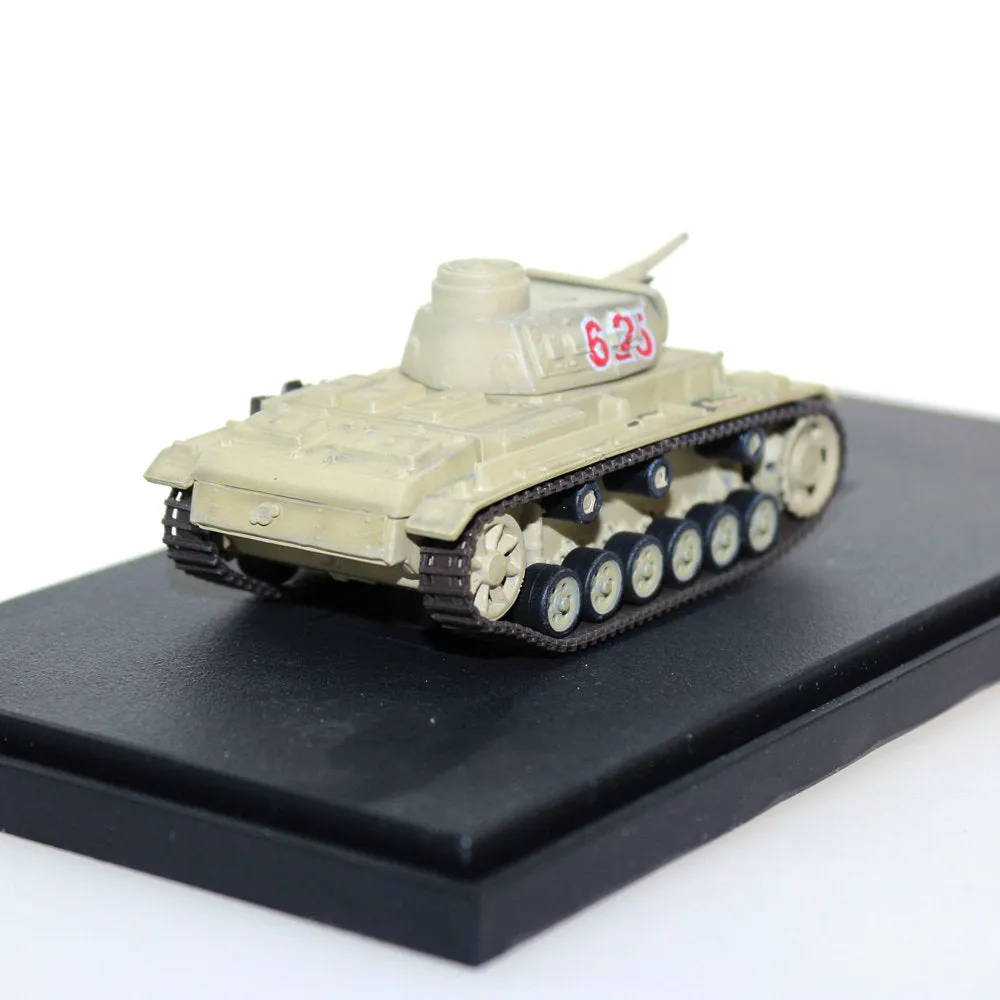
The Allure of Panzer Diecast Models
Panzer diecast models represent a fascinating intersection of history, engineering, and collecting. These meticulously crafted miniature replicas of legendary tanks captivate enthusiasts worldwide. The appeal lies in the ability to own a piece of military history, appreciate the intricate details, and engage in a rewarding hobby. Collecting these models is more than just acquiring objects; it’s about connecting with the stories of the past, the technological advancements of warfare, and the enduring legacy of these iconic vehicles. The world of Panzer diecast models is diverse, offering something for every collector, from casual admirers to dedicated enthusiasts seeking rare and historically significant pieces. This article explores the top seven facts that make collecting Panzer diecast models a compelling and fulfilling pursuit.
Historical Significance
Each Panzer diecast model encapsulates a significant piece of military history. These models allow collectors to hold tangible representations of tanks that played crucial roles in pivotal battles and conflicts. The study of these models provides a deeper understanding of armored warfare, technological developments, and the strategies employed during wartime. Owning a Tiger I, for example, is akin to owning a small piece of history, allowing collectors to reflect on the tank’s impact on the battlefield. Diecast models serve as educational tools, sparking interest in military history and offering a unique way to learn about the past. They provide a direct link to the stories of the soldiers, the engineers, and the battles that shaped the world.
Accuracy and Detail

Modern Panzer diecast models are renowned for their exceptional accuracy and attention to detail. Manufacturers strive to replicate every aspect of the original tanks, from the smallest rivets and welds to the paint schemes and markings. High-quality models often feature finely detailed interiors, including gun turrets, driver compartments, and engine components. This level of detail elevates these models from mere toys to accurate representations of historical vehicles. The pursuit of realism drives manufacturers to constantly improve their techniques, using advanced technologies like 3D modeling and precision casting. The accuracy of these models makes them valuable for historical research, educational purposes, and of course, for the sheer enjoyment of collectors who appreciate the craftsmanship.
Scale Variations
Panzer diecast models come in a variety of scales, allowing collectors to choose the size that best suits their preferences and display space. Common scales include 1:72, 1:48, and 1:35. The scale indicates the ratio between the model’s size and the actual tank’s size. Each scale offers different advantages, from the compact size of 1:72 models, ideal for large collections, to the larger, more detailed 1:35 models, which offer intricate features. Choosing a scale often depends on the collector’s available space, budget, and the desired level of detail. The variety of scales ensures that there’s a perfect model for every enthusiast, allowing them to build collections that range from small, focused displays to expansive historical recreations. Each scale provides a different perspective on the same iconic vehicles.
The Main Scales
The three most popular scales are 1:72, 1:48, and 1:35. 1:72 scale models are generally smaller and more affordable, making them ideal for building large collections. 1:48 scale models strike a balance between detail and size, appealing to many collectors. 1:35 scale models are the largest and most detailed, often featuring highly intricate features. These scales are not just about size; they also influence the level of detail, the availability of accessories, and the overall collecting experience. Collectors often choose a scale and stick with it, building their collections around a consistent size and level of detail. Understanding the differences between these scales is crucial for anyone starting or expanding a Panzer diecast model collection.
Popular Panzer Models

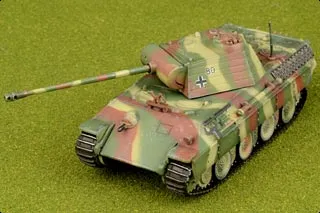
Certain Panzer models are highly sought after by collectors due to their historical significance and iconic designs. The Tiger I, a German heavy tank from World War II, is a perennial favorite. Its formidable firepower and distinctive appearance make it a highly desirable model. The Panzer IV, another key German tank, is also popular, representing the backbone of the Wehrmacht’s armored divisions. The King Tiger, with its powerful gun and heavily armored design, is another coveted model. These tanks played crucial roles in major battles and represent significant technological advancements of their time. The popularity of these models drives the demand for high-quality diecast replicas, making them a central focus of many collections.
Tiger I
The Tiger I tank’s imposing presence and combat record have cemented its place as a legend in military history. This German heavy tank was feared on the battlefield for its heavy armor and powerful 8.8 cm KwK 36 gun. Diecast models of the Tiger I are highly detailed, capturing the tank’s distinctive features, such as its overlapping road wheels and the iconic turret design. Collectors often seek out different variants and paint schemes of the Tiger I, reflecting its evolution throughout the war. The Tiger I represents the pinnacle of German tank technology and is a must-have for serious collectors, symbolizing both engineering prowess and historical significance.
Panzer IV
The Panzer IV was the workhorse of the German Panzer divisions throughout World War II. This tank was widely deployed and saw action on every front. Diecast models of the Panzer IV capture the tank’s versatility, featuring its different variants and armaments. Its robust design and adaptability made it a vital asset for the German army. Collectors appreciate the Panzer IV for its historical significance, representing the evolution of armored warfare. The availability of various models, depicting different versions of the Panzer IV, allows collectors to build a comprehensive and historically accurate collection. The Panzer IV symbolizes the perseverance and adaptability of the German armored forces.
King Tiger

The King Tiger, also known as the Tiger II, was the successor to the Tiger I and a formidable opponent on the battlefield. This heavy tank featured even thicker armor and a more powerful gun. Diecast models of the King Tiger showcase its imposing size and complex design. Collectors value the King Tiger for its rarity and its representation of the advanced tank technology of the late war. The King Tiger symbolizes the culmination of German armored development, a testament to the engineering prowess of the era. Owning a King Tiger diecast model is a statement, embodying both historical significance and the power of technological innovation.
Materials and Construction
The quality of Panzer diecast models often depends on the materials and construction techniques used. High-quality models are typically made from diecast metal, providing a realistic weight and feel. The use of metal allows for intricate detailing and durable construction. Plastic components are also used for certain parts, such as tracks, hatches, and accessories. The combination of metal and plastic creates a balance between durability and detail. The manufacturing process involves precise molding, painting, and assembly to create models that accurately replicate the original tanks. Understanding the materials and construction methods helps collectors assess the quality and value of a model.
Diecast Metal
Diecast metal is the primary material used in the construction of high-quality Panzer models. This method involves injecting molten metal, typically a zinc alloy, into a mold to create detailed parts. Diecast metal provides a realistic weight and feel, enhancing the model’s authenticity. The use of metal allows for intricate detailing, such as rivets, welds, and panel lines. The durability of diecast metal ensures that the models can withstand handling and display. The use of diecast metal is a hallmark of quality, contributing to the overall value and appeal of Panzer models. This material is central to the creation of realistic and long-lasting models.
Plastic Components

Plastic components play a crucial role in the construction of Panzer diecast models. These components are often used for parts that require intricate detailing or flexibility, such as tracks, hatches, and accessories. The use of plastic allows manufacturers to create complex shapes and textures that would be difficult to achieve with metal alone. High-quality plastic components are carefully molded and painted to match the metal parts, ensuring a cohesive and realistic appearance. The combination of metal and plastic provides a balance between durability, detail, and cost-effectiveness. Plastic components contribute to the overall realism of the model while enhancing its structural integrity.
Factors Influencing Value
Several factors influence the value of Panzer diecast models. Rarity, condition, and manufacturer are key determinants. Rare models, such as limited-edition releases or those produced in limited quantities, command higher prices. The condition of the model is also critical; models in excellent condition, with original packaging, are more valuable. The manufacturer’s reputation and the quality of their models significantly impact value. Collectors often favor models from well-known brands that are known for their accuracy and detail. Understanding these factors helps collectors assess the worth of a model and make informed purchasing decisions.
Rarity
Rarity is a significant factor in determining the value of Panzer diecast models. Limited-edition models, those produced in small quantities, or those that are no longer in production, are often highly sought after by collectors. Rare models can be more challenging to find, which drives up their prices. The availability of a model, and the demand from collectors, are key. Limited releases, special editions, or models featuring unique paint schemes or details can become highly prized. The rarity of a model adds to its collectible value and the excitement of the hunt for these elusive pieces. Rarity transforms a model into a potential investment and a coveted addition to any collection.
Condition
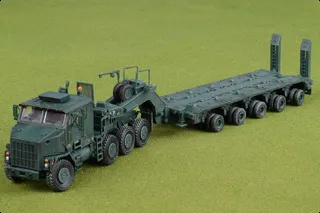
The condition of a Panzer diecast model significantly affects its value. Models in mint condition, with no visible damage or wear, are the most valuable. Original packaging, including the box and any included accessories, also enhances the model’s value. Collectors place a high premium on models that have been well-preserved and show minimal signs of age or use. The condition reflects the care taken by the previous owner and the model’s overall desirability. Models that are damaged, repaired, or missing parts are typically less valuable. Assessing the condition of a model is an essential part of the collecting process, impacting both its value and its appeal to collectors.
Manufacturer
The manufacturer plays a critical role in determining the value of Panzer diecast models. Certain brands are renowned for their high quality, accuracy, and attention to detail. Collectors often favor models from established manufacturers with a proven track record. The manufacturer’s reputation for producing realistic and well-crafted models can significantly influence the value. Popular brands often command higher prices due to the perceived quality and collectibility of their products. Some manufacturers specialize in specific scales or eras, further increasing their appeal to niche collectors. Choosing models from reputable manufacturers is a cornerstone of building a valuable and rewarding collection.
Collecting Communities and Resources
The world of Panzer diecast model collecting is supported by vibrant communities and valuable resources. Online forums, model clubs, and specialized websites provide a space for collectors to connect, share information, and buy, sell, and trade models. These resources are essential for learning about the hobby, discovering rare models, and staying informed about market trends. Participating in these communities enhances the collecting experience, fostering a sense of camaraderie and shared passion. The wealth of information and support available through these channels makes collecting Panzer diecast models a more enjoyable and enriching hobby.
Online Forums
Online forums are invaluable resources for Panzer diecast model collectors. These platforms allow collectors to connect with others who share their passion. Forums provide spaces for discussing models, sharing photos, and asking questions. They also serve as marketplaces for buying, selling, and trading models. The online community offers a wealth of information, including reviews, historical data, and tips on collecting and displaying models. Engaging with online forums is a great way to learn about the hobby and connect with fellow enthusiasts. Participation in these forums enriches the collecting experience, providing knowledge, support, and access to rare models and information.
Diecast Model Clubs
Diecast model clubs offer another avenue for collectors to connect and share their passion. These clubs often host meetings, exhibitions, and events where members can display their collections, trade models, and learn from experts. Participating in model clubs provides opportunities to see rare models, learn about historical details, and network with other collectors. Clubs also offer a sense of community, fostering friendships and a shared enthusiasm for collecting. Joining a diecast model club is a rewarding experience, enhancing both the collecting and learning aspects of the hobby. These clubs often serve as a hub for information and camaraderie.
Maintenance and Display
Proper maintenance and display are crucial for preserving the value and enjoyment of Panzer diecast models. Regular cleaning and careful handling are essential to prevent damage. Displaying models in a protected environment, such as a display case, helps to shield them from dust, sunlight, and accidental damage. These practices contribute to the longevity and appeal of the collection, ensuring that the models remain in excellent condition. Taking care of these models is not just about preserving their value, it is also about protecting the investment in history and engineering they represent.
Dusting and Cleaning
Regular dusting and cleaning are essential for preserving the condition of Panzer diecast models. Dust can accumulate over time, damaging the paint and details of the models. Use a soft brush or cloth to gently remove dust. Avoid using harsh chemicals or abrasive cleaners, as these can damage the model’s finish. For more stubborn dirt, use a slightly damp cloth. Cleaning should be done with care and attention to detail, preserving the appearance and value of the models. Proper cleaning keeps your models looking their best and protects your investment.
Display Cases
Display cases are an ideal way to showcase and protect Panzer diecast models. Display cases shield models from dust, sunlight, and accidental damage. Cases also add a professional and organized look to the collection. There are many types of display cases available, ranging from simple shelves to elaborate, climate-controlled cabinets. The best display case depends on the size and scope of the collection and the available space. Display cases enhance the presentation of the models and provide a safe environment, preserving their condition and value. A well-chosen display case can be a central point of pride for any collector.
Where to Buy Panzer Diecast Models
Finding Panzer diecast models involves exploring various avenues, from online retailers to specialty shops and auctions. Each source offers different advantages and disadvantages. Building a diverse collection requires researching and understanding the best places to find the models you desire. Exploring these different avenues ensures that collectors have access to a wide range of models and can find the best deals. Careful comparison and consideration are important, as prices and availability can vary significantly. The hunt for rare and unique models is a significant part of the enjoyment of this hobby.
Online Retailers
Online retailers offer a convenient and extensive selection of Panzer diecast models. Major online marketplaces and specialized model shops offer a wide range of models, from common releases to rare finds. Online shopping allows collectors to compare prices, read reviews, and browse at their convenience. Be sure to purchase from reputable sellers and check the seller’s ratings before making a purchase. Online retailers provide access to a global market, allowing collectors to find models they might not be able to find locally. Online retailers offer great convenience and a vast selection.
Specialty Shops
Specialty shops are another excellent source for Panzer diecast models. These shops specialize in model collecting and often offer a more curated selection. Specialty shops may have knowledgeable staff who can provide expert advice and guidance. They can also offer access to limited edition models and hard-to-find items. Shopping at specialty shops provides an opportunity to view models in person, inspect their condition, and discuss collecting with other enthusiasts. Supporting specialty shops can be a rewarding experience, providing a more personalized and engaging shopping experience.
Auctions and Shows
Auctions and model shows provide exciting opportunities to find rare and valuable Panzer diecast models. Auctions can offer competitive prices and the chance to acquire highly sought-after models. Model shows allow collectors to meet sellers, view models in person, and trade or sell their own collections. Attending auctions and shows requires some knowledge of market values and a willingness to compete. These events offer the thrill of the hunt and the opportunity to acquire unique models. Auctions and shows are integral parts of the collecting community.
In conclusion, collecting Panzer diecast models is a rewarding hobby that combines historical interest, attention to detail, and community engagement. From understanding the historical significance and construction of the models to finding the best resources and display methods, this guide has provided a comprehensive overview of what it means to be a collector. With careful consideration of rarity, condition, and the manufacturer’s reputation, anyone can build an impressive collection. Embrace the passion, connect with fellow enthusiasts, and enjoy the exciting journey of collecting these miniature masterpieces of military history. Happy collecting!