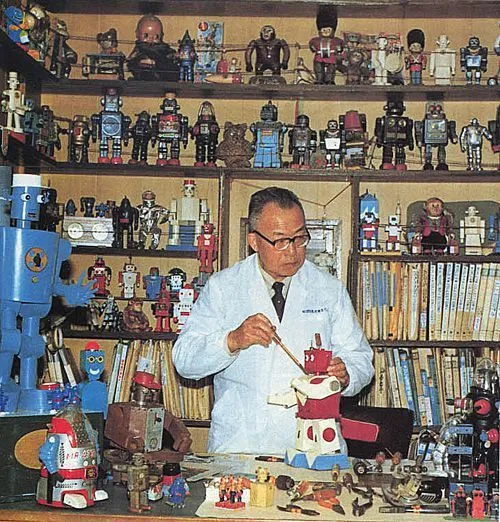
What are Japanese Diecast Robots
Japanese diecast robots represent a captivating blend of engineering, art, and nostalgia, captivating collectors and enthusiasts worldwide. These figures, predominantly crafted from metal alloys, are celebrated for their durability, intricate designs, and historical significance. They embody a rich legacy of innovation in Japanese culture, reflecting the country’s advancement in both technology and entertainment. The weight, the touch, and the detailed design of these collectibles set them apart from other types of toys, making them highly sought after items for those who appreciate quality and craftsmanship.
The Golden Age of Japanese Robots
The golden age of Japanese diecast robots typically refers to the era from the 1970s to the early 1980s. This period saw a surge in popularity fueled by groundbreaking anime and manga series featuring giant robots, or ‘mecha’. Iconic shows like Mazinger Z, Getter Robo, and Voltes V spawned a wave of collectible figures. Manufacturers such as Popy (a subsidiary of Bandai) and Takara were at the forefront, producing figures that are highly valued by collectors today. These toys were not just playthings they were artifacts of a cultural phenomenon.
Key Figures and Manufacturers

Several key figures and manufacturers defined the landscape of Japanese diecast robots. Bandai’s Popy brand was synonymous with quality and innovation, releasing numerous figures based on popular anime. Takara, known for its Transformers line, also produced notable diecast robots. Other important manufacturers include manufacturers like Marusan and Bullmark, who also contributed significantly to the field. These companies were not just manufacturers; they were architects of a cultural movement. The most sought-after figures often come from these established brands, their history and design continuing to be admired.
Popular Japanese Robot Series
Several anime series have left an enduring mark on the world of Japanese diecast robots. Mazinger Z, a pioneer in the mecha genre, gave rise to highly collectible figures with its distinctive design. Getter Robo, with its unique transforming capabilities, also had a strong presence. Voltes V, a series known for its complex narrative and impressive robot design, is another favorite among collectors. These shows not only entertained audiences but also provided the foundation for a thriving market of collectible toys. The robots’ popularity led to an explosion of merchandise and a dedicated fanbase.
Seven Must-Know Facts About Japanese Diecast Robots
Fact 1 The Material Matters

The material composition is a primary characteristic of these figures. The use of diecast metal, typically a zinc alloy, gives the robots their characteristic weight and durability. This ensures their longevity and contributes to the premium feel that collectors appreciate. The specific metal alloy and the manufacturing processes used also influence the value and desirability of a particular robot. It is the very essence of what makes them so different and desirable.
Fact 2 Weight and Feel
The weight and tactile experience of a diecast robot add to the appeal. The heft of the figure provides a sense of quality and craftsmanship not found in plastic toys. Holding a diecast robot can be a sensory experience, connecting the collector to the history and dedication of the manufacturers. The robust feel enhances the perceived value of the piece, making them more attractive to serious collectors. The difference in weight often helps differentiate original figures from reproductions.
Fact 3 The History
Understanding the history of Japanese diecast robots is crucial. The evolution of these figures mirrors the progress of Japanese animation and toy manufacturing. The early designs reflected technological advancements and cultural influences of the era. The historical context often influences the value of a piece. Early models can be extraordinarily rare. Each robot tells a story of technological and cultural milestones, making them more than just toys.
Fact 4 Limited Editions

Limited editions and exclusive releases significantly influence the collectibility and value of Japanese diecast robots. Manufacturers often produce special versions with unique paint schemes, variations in design, or additional accessories. These limited releases are highly sought after by collectors, leading to increased prices in the secondary market. Rare and hard-to-find editions are considered the crown jewels of collections, signifying a keen collector’s eye and dedication.
Fact 5 Collector’s Community
The strong collector’s community around Japanese diecast robots provides a support system for enthusiasts. Forums, online groups, and dedicated collectors’ clubs facilitate the exchange of knowledge, buying, and selling, and foster a shared passion. Collectors share information about rare finds, restoration techniques, and the history of different figures. The community helps to preserve the heritage of these robots. Being part of the community is very important to keep updated with latest trends and discoveries.
Fact 6 The Art of Detailing
The intricate detailing on Japanese diecast robots is a key aspect. The fine lines, the accurate paintwork, and the meticulous construction of each figure showcase a high degree of craftsmanship. Collectors appreciate the attention to detail, which adds to the visual appeal and value of the robots. Detailed joints and accurate weapon sculpts highlight the dedication of manufacturers. This level of artistry creates a captivating experience for collectors.
Fact 7 Where to Find Them

Finding Japanese diecast robots requires exploration. Specialized online marketplaces, dedicated toy stores, and collectible shows are the best starting points. Auction sites often feature rare pieces, and online forums and collector communities can provide leads. Building relationships with sellers and fellow collectors can also increase the chances of finding sought-after figures. Patience and research are essential for navigating the market and building a collection.
Caring for Your Japanese Diecast Robots
Cleaning and Maintenance
Proper care ensures that your Japanese diecast robots remain in excellent condition. Gently dust the figures regularly, using a soft cloth or brush. Avoid using harsh chemicals or abrasive cleaners that could damage the paint or finish. Consider storing the robots in a cool, dry place away from direct sunlight. Handle the robots with care to prevent scratches and damage. Regular maintenance helps to preserve the value and beauty of your collection.
Displaying Your Collection

Displaying Japanese diecast robots is an art form. Consider using display cases or shelves to showcase your collection. Arrange your robots in a way that highlights their designs and characteristics. Lighting can dramatically affect their appearance, so experiment with different setups. Grouping figures thematically or chronologically can also enhance the visual appeal. Displaying them properly protects them from dust and damage, while simultaneously celebrating their beauty.
The Future of Japanese Diecast Robots
The future of Japanese diecast robots looks promising. The demand for these collectibles continues to grow, fueled by nostalgia and the ongoing appeal of anime and mecha. Manufacturers are continually producing new figures, often updating classic designs. Technology and design are advancing, with a range of innovative features. For collectors and enthusiasts, the future looks bright, with continued excitement around these iconic figures.