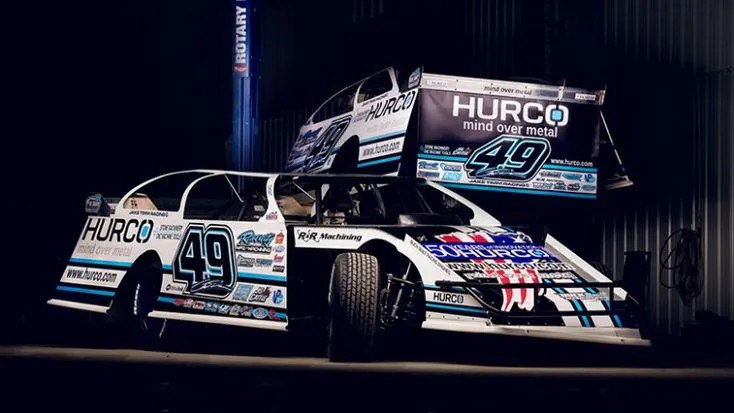
7 Ultimate Tips for Victory on Dirt Race Cars
Dirt track racing demands skill, strategy, and a well-prepared race car. Victory on the dirt circuit isn’t just about speed; it’s about mastering the nuances of car setup, driving techniques, and race day strategy. Whether you’re a seasoned racer or a newcomer, these seven ultimate tips will elevate your performance and increase your chances of reaching the podium. From understanding the fine art of vehicle setup to the intricacies of passing, we’ll cover everything you need to know to dominate the dirt track. Get ready to rev your engines and learn how to conquer the competition. These tips, refined over years of competitive racing, will provide an edge that helps you to become a better driver and take the checkered flag.
Tip 1 Master the Art of Car Setup
A well-tuned car is the foundation of success in dirt track racing. This starts with understanding the interplay of various setup components. Weight distribution, suspension, and tire selection must work in harmony to provide optimal grip and handling. A poorly set-up car can lead to understeer, oversteer, or unpredictable handling, making it difficult to drive fast and consistently. A good setup allows the car to react predictably to driver inputs, enabling the driver to push the car to its limits without fear of losing control. Spend significant time with setup, experiment, and find what works best for the specific track and conditions.
Understanding Weight Distribution

Proper weight distribution is critical for achieving balanced handling. The goal is to distribute the car’s weight to maximize grip at all four wheels. Adjusting weight distribution affects the car’s balance and responsiveness. For example, moving weight towards the rear can improve traction during acceleration, while shifting weight to the front can enhance turn-in. The specific setup will depend on the track conditions and the driving style, so understanding weight distribution is essential for adjusting the car’s setup to suit the conditions.
Suspension Tuning Secrets
Suspension plays a vital role in maintaining tire contact with the track surface. Adjusting springs, shocks, and sway bars can dramatically affect the car’s handling characteristics. Stiffer suspension settings typically provide quicker response and less body roll, while softer settings offer better bump absorption and more grip on uneven surfaces. Experimenting with different suspension settings allows you to find the optimal balance of grip and responsiveness. Suspension tuning also involves understanding how to manage the car’s body roll, which can significantly impact its cornering ability. Fine-tuning the suspension often requires testing on the track and analyzing data to find the perfect setup.
Tire Selection and Pressure
Choosing the right tires and setting the correct pressures is fundamental for maximizing grip. Dirt track tires come in various compounds and tread patterns designed for different track conditions. Selecting the appropriate tire compound depends on the track surface, temperature, and anticipated wear. Tire pressure also plays a crucial role, with lower pressures generally providing more grip but also increasing the risk of tire overheating and deflation. Monitoring tire temperatures during testing and racing helps fine-tune the pressure to find the optimal balance. A proper tire setup provides optimal grip to help you conquer the track.
Tip 2 Perfect Your Driving Techniques

Driving technique is what separates good racers from great ones. Mastering the core driving skills, such as smooth steering, precise braking, and optimal line selection, can significantly improve lap times. It takes continuous practice and an understanding of how these techniques affect the car’s behavior. Refining your driving skills can help you to maximize the potential of your race car, and reduce mistakes that cost valuable track position. The more experience you gain, the better you will understand your car and track conditions.
The Importance of Smooth Steering
Smooth steering inputs are essential for maintaining car control and maximizing grip. Jerky steering can upset the car’s balance and cause it to lose traction. Practice gentle, controlled steering movements to keep the car stable, especially when entering and exiting corners. Avoid sudden corrections that can lead to oversteer or understeer. Smooth steering is critical to maintaining the car’s momentum and ensuring consistent lap times. Smooth steering prevents the car from getting unsettled, allowing the driver to maintain a steady and predictable line through corners.
Braking and Acceleration Strategies
Knowing how to brake and accelerate effectively is crucial for maximizing speed on the dirt track. Brake at the right time and in the right place, using the brakes smoothly to shed speed without upsetting the car’s balance. The key is to brake in a straight line before turning into the corner. Then, smoothly apply the throttle to accelerate out of the corner. Practice balancing the car’s braking and acceleration to optimize corner exit speed. Accelerate progressively to maintain traction and avoid wheelspin. Mastering braking and acceleration techniques will improve your lap times significantly.
Line Selection and Track Awareness

Choosing the right racing line is vital for achieving fast lap times. The optimal line varies depending on the track layout and surface conditions, but generally involves using the entire width of the track to maximize cornering speed. Observe the track and identify the areas with the most grip. Experiment with different lines during practice to find the fastest route around the track. Track awareness also includes being aware of other drivers. By paying attention to their racing lines, you can anticipate their moves and plan your passes strategically. Good track awareness ensures you avoid collisions and use the entire track to your advantage.
Tip 3 Gear Up for Race Day
Race day preparation is a multifaceted process that includes everything from the vehicle inspection to safety gear and strategy. A well-prepared team sets the stage for a successful race. Having everything in order can significantly impact your performance and peace of mind, and reduce the potential for on-track problems. Rigorous preparation ensures your car and your team are ready to compete at their best. Being fully prepared reduces stress, allowing you to focus on driving.
Vehicle Inspection Checklist
Conducting a thorough pre-race inspection is crucial for ensuring the car is in optimal condition. Check all fluid levels, including oil, coolant, and brake fluid. Inspect the tires for wear and damage, and ensure they are properly inflated. Examine the suspension components for any signs of wear or damage, such as loose bolts or broken parts. Verify that all safety equipment, such as the roll cage and seatbelts, is in good working order. A detailed checklist can help you avoid overlooking important items. The pre-race inspection is your first line of defense against mechanical failures that can ruin your race.
Safety Gear and Preparation

Safety is paramount in dirt track racing. Wear appropriate safety gear, including a fire-resistant suit, helmet, gloves, and shoes. Ensure that all safety equipment, such as the head and neck restraint, is properly fitted and functioning. Inspect your car’s safety features, such as the fire suppression system and kill switch. Before the race, take time to review the track layout and any potential hazards. Double-check that all equipment is in excellent working condition before the race begins. Prioritizing safety helps keep you and others safe on the track.
Race Day Strategy and Planning
Developing a solid race strategy is essential. Consider the track conditions, the number of laps, and the competition. Create a plan for tire management, fuel consumption, and when to make your moves. Understand the race’s pace and adjust your strategy accordingly. Prepare for potential yellow flags and plan for pit stops if needed. Planning includes knowing the track’s typical race lines and passing opportunities. Consider what the likely scenarios will be during the race, from how you will manage your tires to what your passing strategy will be. Effective race-day planning provides a framework for success.
Tip 4 Mastering the Start and Restart
The start and restart are critical moments in a race, where positions are often won or lost. Mastering these maneuvers can significantly impact your race results. A good start allows you to gain positions early and control the race’s tempo. A well-executed restart can help you regain positions or defend your place. These crucial moments require a combination of skill, timing, and strategic thinking.
Reacting to the Green Flag

When the green flag drops, react quickly and decisively. Anticipate the start by focusing on the starter and the car ahead of you. Ensure your car is in the right gear and your tires are prepared for maximum traction. Accelerate aggressively, but smoothly, to avoid wheelspin. Try to maintain a straight line and avoid contact with other cars. A fast start gives you an advantage. Quick reactions, precision, and a smooth launch are key to getting off the line first.
Restart Positioning and Tactics
On a restart, choose your position carefully. Consider your competitors, the track conditions, and your car’s strengths. If you are in the front row, aim to control the pace and set the tempo. If you are further back, look for opportunities to gain positions while avoiding contact. Be ready to adapt your tactics based on the actions of other drivers. Anticipate their moves and plan your restart strategy accordingly. Executing a flawless restart helps you to quickly regain lost positions. A well-planned restart helps you gain ground on the competition.
Tip 5 Fuel and Tire Management
Managing fuel and tires is crucial for maintaining performance throughout a race. Conserving these resources ensures that your car performs at its best until the checkered flag. Tire and fuel management are critical for long-term success. Strategic planning here allows you to maintain an advantage over competitors.
Conserving Tires for the Final Laps

Conserving your tires is essential for maintaining grip throughout the race, especially in the final laps. Avoid excessive wheelspin and aggressive driving. Focus on smooth steering and precise braking to minimize tire wear. If possible, adjust your racing line to find areas of the track that are less abrasive. Monitoring tire pressures and temperatures can help you fine-tune your driving style to extend tire life. Knowing the balance between speed and tire conservation is a key skill.
Calculating Fuel Consumption
Understanding how much fuel your car consumes is vital for ensuring you make it to the finish line. Before the race, calculate your car’s fuel consumption rate based on the race distance and estimated lap times. Adjust your fuel strategy based on the number of yellow flags and any changes in the race’s pace. Always have a buffer to avoid running out of fuel. A fuel-management strategy requires preparation and a clear plan. Proper fuel management can mean the difference between winning and losing.
Tip 6 The Art of Passing
Passing is an art form. Successful passing requires skill, timing, and a bit of strategy. Executing a clean and effective pass can significantly improve your position. It is important to anticipate opportunities and to execute each maneuver safely. Effective passing is vital to gaining positions and achieving victory. A well-executed pass demonstrates not just skill but also the racer’s ability to make critical decisions under pressure.
Identifying Passing Opportunities
Look for opportunities to pass, such as when another driver makes a mistake, brakes late, or struggles with their line. Assess the strengths and weaknesses of the car ahead of you. Analyze the track layout and identify areas where passing is more likely. Passing opportunities arise when another driver is slightly off pace. Always consider the risks and rewards before attempting a pass. Be ready to adjust your strategy based on the actions of other drivers.
Executing Clean and Safe Passes
When attempting a pass, do so with precision and control. Signal your intentions clearly and approach the pass with confidence. Avoid making contact with the car you are passing, as this can lead to accidents. Execute your pass cleanly and quickly. Make sure you have enough room to complete the pass. Once you have overtaken the car, maintain your line and avoid unnecessary risks. Prioritizing safety is essential. Execute passes quickly to maintain your advantage.
Tip 7 Post-Race Analysis and Improvement
Post-race analysis is a critical step for continuous improvement. Reviewing your performance and identifying areas for improvement helps you to become a better racer. By thoroughly examining data and performance, you can develop insights that will enhance your skills. Reflecting on your performance helps you to grow and become a better racer. Analysis is essential for improvement.
Reviewing Data and Lap Times
After the race, review your lap times and analyze the data from your car. Identify the areas where you were losing time. Compare your lap times to those of other drivers to identify areas for improvement. Look for patterns in your performance and track your progress. Analyze your race data in detail to identify the areas for improvement. Using data to refine your approach is vital.
Identifying Areas for Improvement
Identify specific areas where you can improve your driving technique, car setup, or race strategy. Focus on these areas during your practice sessions and make adjustments as needed. Seek feedback from other racers, your crew, and experienced observers. Set specific goals for your next race and develop a plan to achieve them. Continuous self-assessment is essential for consistent improvement. Always strive to learn and adapt to new conditions.
In conclusion, mastering these seven tips will help you to dominate the dirt track. By combining technical expertise with strategic driving, you’ll be well on your way to victory. Remember, success in dirt racing is a combination of preparation, skill, and strategy. Keep practicing, keep learning, and keep pushing yourself to be the best. Embrace challenges and use the experiences to learn and adapt. With these tips, your performance will improve and you’ll be racing your way to success. Enjoy the thrill of the race and drive with passion and precision.