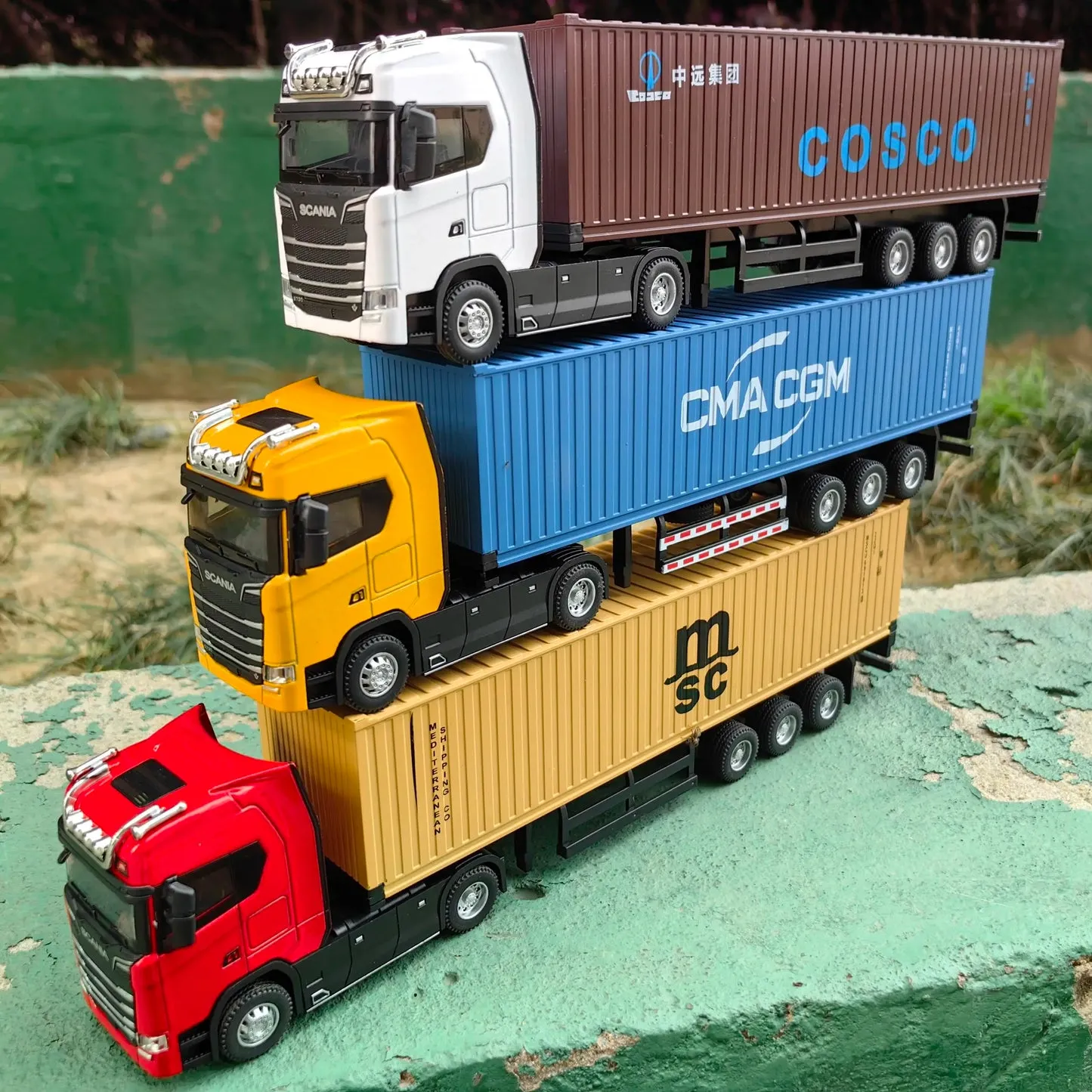
What are Diecast Truck Sizes
Diecast truck sizes are a fundamental aspect of collecting these miniature vehicles. Understanding the various sizes and scales is crucial for any enthusiast, whether you’re a seasoned collector or just starting out. Diecast trucks come in a wide array of sizes, each representing a different scale relative to the real-life vehicles they are modeled after. These scales dictate the proportions and dimensions of the models, influencing everything from shelf space to display aesthetics. Knowing the basics of diecast truck sizes helps in making informed decisions when buying, trading, or displaying your collection. It also allows you to appreciate the intricate details and craftsmanship that go into creating these miniature replicas. This guide is designed to provide you with the essential knowledge to navigate the world of diecast truck sizes with confidence.
Common Diecast Truck Scales
Diecast trucks are produced in a variety of scales, with the most common ones being 1:64, 1:43, 1:24, and 1:18. Each scale signifies a specific ratio, meaning the model is a fraction of the size of the actual truck. For example, a 1:64 scale model is 1/64th the size of the original truck. The choice of scale often depends on the manufacturer, the desired level of detail, and the intended use of the model. Certain scales have become more popular within specific communities or types of collecting. The following sections will delve into the details of each scale to offer a more in-depth understanding.
164 Scale Trucks

1:64 scale is one of the most popular scales for diecast trucks, especially among collectors who enjoy a wide variety of models without taking up too much space. This scale is commonly used by brands like Hot Wheels and Matchbox, making it easily accessible and affordable. 1:64 scale models are typically small enough to be easily displayed on shelves or in display cases. The detail level can vary, but many models still offer impressive accuracy considering their size. The affordability and variety make 1:64 scale trucks an excellent starting point for new collectors and a staple for established enthusiasts.
143 Scale Trucks
1:43 scale diecast trucks offer a step up in detail and are a popular choice for serious collectors. At this scale, designers can incorporate finer details and more intricate features. These models are often used in display dioramas or as part of a larger collection showcasing a specific vehicle type or brand. The increased size allows for more detailed paint jobs, accurate interior representations, and realistic features. Although slightly more expensive than 1:64 scale models, the enhanced detail and quality make 1:43 scale trucks a worthwhile investment for those passionate about realism and accuracy.
124 Scale Trucks
1:24 scale diecast trucks provide an excellent balance between size and detail. The larger size allows manufacturers to create incredibly detailed models, often including opening doors, hoods, and even functional steering. These models are often seen as premium collectibles, offering a higher level of realism. The increased size also allows for more intricate detailing of the engine, interior, and exterior features. 1:24 scale trucks are highly sought after by collectors looking for a high-quality, visually impressive representation of their favorite trucks. The models are substantial enough to make a statement in any collection.
118 Scale Trucks

1:18 scale represents the pinnacle of detail and size in diecast truck collecting. These models are the largest and most detailed, featuring an unparalleled level of realism. The expansive size allows for incredibly intricate features, including highly detailed engines, functional steering, and fully appointed interiors. This scale is ideal for collectors who prioritize detail and are willing to invest in high-end models. While requiring more space, 1:18 scale trucks are a centerpiece for any collection, offering a truly immersive collecting experience. These models are often considered the ultimate representation of the real vehicles.
Factors Affecting Diecast Truck Sizes
Several factors influence the sizes and overall appearance of diecast trucks. Understanding these factors helps in appreciating the nuances of model design and how they affect the collecting experience. From material choices to manufacturing processes, various aspects contribute to the final product.
The Importance of Scale in Collecting
Scale is the cornerstone of diecast truck collecting. It determines the model’s dimensions relative to the real vehicle. The choice of scale impacts the level of detail achievable, the availability of models, and the collector’s display options. Collectors often specialize in a particular scale, allowing them to focus their efforts and build a cohesive collection. The scale also influences the price, with larger scales generally being more expensive due to increased complexity and detail. Selecting a scale is one of the first and most important decisions in starting a diecast truck collection, impacting all aspects of the hobby.
Materials and Their Impact

The materials used in diecast truck construction have a significant impact on the size, weight, and detail of the models. Diecast metal is the most common material, providing durability and allowing for intricate details. Other materials, such as plastic and rubber, are used for various components like tires and interior parts. The blend of materials affects the overall feel and appearance of the model. Higher-quality materials often contribute to more realistic details and a premium feel, influencing the overall value and desirability of the diecast truck.
Manufacturing Processes Influence
Manufacturing processes play a critical role in determining the quality and size of diecast trucks. Different methods, such as die-casting, injection molding, and hand-assembly, influence the level of detail and accuracy achieved. The precision of these processes dictates how well the model reflects the real-life vehicle. Advanced manufacturing techniques allow for intricate detailing and accurate proportions. The quality control during the manufacturing process ensures that each model meets the desired standards, impacting its value and appeal to collectors.
How to Measure Diecast Truck Sizes
Accurately measuring diecast truck sizes is essential for collectors. Knowing the dimensions allows you to verify the scale, compare models, and organize your collection effectively. The process involves using the right tools and following a systematic approach. This section provides a step-by-step guide to measuring diecast truck sizes.
Tools Needed for Accurate Measurements
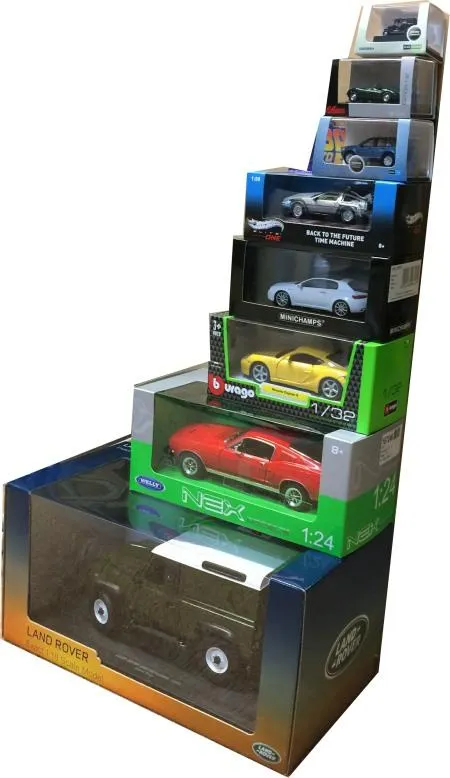
To measure diecast truck sizes accurately, you’ll need a few essential tools. A precise ruler, preferably one with both inches and centimeters, is crucial for measuring length, width, and height. A digital caliper is highly recommended for more precise measurements, especially for intricate parts. A flat, stable surface is needed to ensure that the truck sits evenly during measurement. Keeping a notepad and pen handy helps to record the dimensions. Having these tools will make the measuring process easier and more accurate.
Step-by-Step Measuring Guide
Follow these steps to measure your diecast truck accurately. First, place the truck on a flat surface. Use the ruler to measure the length of the truck from the front bumper to the rear. Next, measure the width at the widest point, usually across the mirrors or the wheel arches. Finally, measure the height from the top of the truck to the surface. For added precision, use a digital caliper to measure smaller details, such as wheel diameters or interior components. Record each measurement carefully to create a complete profile of your diecast truck.
Common Measurement Mistakes to Avoid
Several common mistakes can lead to inaccurate measurements. Ensuring the truck is placed on a level surface is crucial. Failing to measure from the correct points can lead to errors. It is important to avoid compressing any parts when measuring, as this can distort the results. Not recording the measurements accurately can also be problematic. Regularly check your tools to ensure they are in good working order and provide accurate readings. Double-checking your measurements can help prevent errors.
Where to Find Size Information

Finding size information for diecast trucks is easier with the internet and the wealth of resources it provides. Whether you are looking for specific dimensions or general information about scales, numerous sources can help. Here are the primary places to find the information you need.
Online Retailers and Manufacturers
Online retailers and manufacturers websites are the primary source for size information. Many retailers include detailed specifications, including scale and dimensions, for each model they sell. Manufacturers often provide similar information on their websites. Looking directly at the product pages will give you the most accurate information. When searching online, make sure to check the product descriptions. Filtering your search by scale or dimensions can help find the exact information you are seeking.
Collector Communities and Forums
Collector communities and forums are excellent resources for size information. These online communities allow enthusiasts to share information, photos, and details about different diecast models. You can often find detailed discussions about specific models, with members sharing measurements and insights. Participating in these forums and asking questions can provide valuable insights. The collective knowledge of experienced collectors makes these communities an invaluable source of information for any enthusiast.
Conclusion

Understanding diecast truck sizes is essential for any collector. From the different scales to the factors influencing size and how to measure them, this guide provides comprehensive information to enhance your collecting experience. By understanding the basics of diecast truck sizes, you can make informed decisions, organize your collection effectively, and appreciate the detailed craftsmanship of these miniature vehicles. Whether you’re a beginner or a seasoned collector, this guide will serve as a useful resource for navigating the world of diecast trucks.