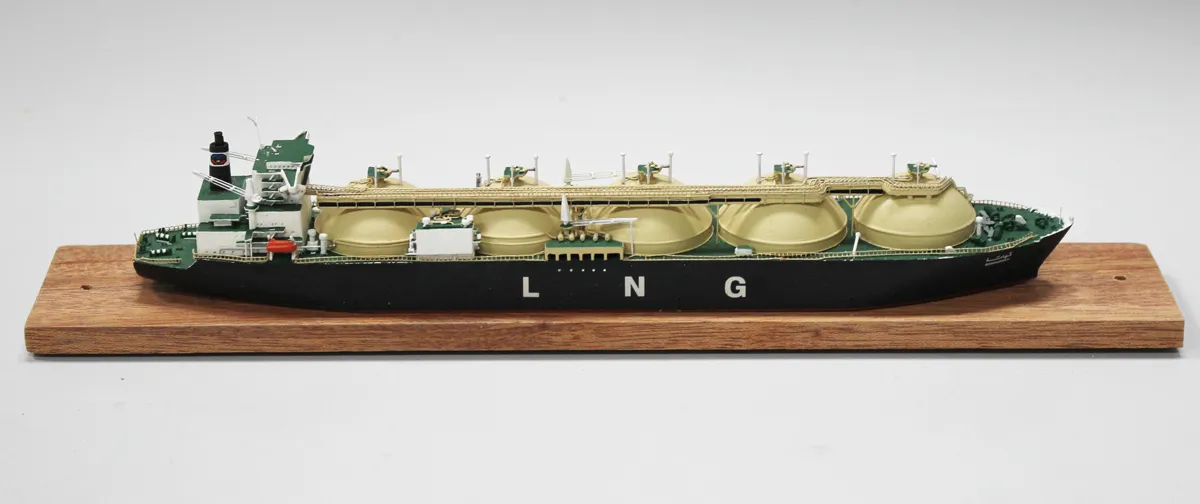
What are Diecast Ships?
Diecast ships are miniature replicas of real-life vessels, meticulously crafted using a die-casting process. This involves injecting molten metal, typically zinc alloy, into molds to create highly detailed models. These aren’t just toys they’re miniature works of art, capturing the essence of historic warships, majestic liners, and various other types of ships. The appeal of diecast ships lies in their realistic appearance, intricate detailing, and the ability to represent a wide range of maritime history and engineering feats in a compact form. Diecast ships have become popular amongst collectors, hobbyists, and anyone who appreciates the beauty of maritime engineering.
The Materials Used in Diecast Ships
The quality and realism of diecast ships heavily rely on the materials used in their construction. A combination of materials is typically employed to achieve both durability and intricate detailing. These materials are chosen for their ability to replicate the look and feel of a full-sized ship while still being manageable for the manufacturing process. The primary material is usually a metal alloy, but plastics and other components also play an important role in bringing these miniature ships to life. Understanding these materials is key to appreciating the craftsmanship and value of these models.
Zinc Alloy

Zinc alloy is the most common material used in diecast ship production. This alloy is chosen for its excellent casting properties, allowing for intricate designs and fine details. Zinc alloy’s ability to take detail is crucial for the realistic appearance of the models, from the tiny rivets on the hull to the delicate railings on the decks. Furthermore, zinc alloy offers a good balance of durability and weight, which contributes to the models’ satisfying feel and prevents them from being easily damaged. The metal’s versatility allows it to be molded into complex shapes, making it ideal for replicating the various components of a ship.
Plastic Components
While zinc alloy forms the core of most diecast ships, plastic components are also essential. Plastic is used for parts that require more flexibility or specific textures, such as masts, rigging, lifeboats, and certain deck details. Plastic allows manufacturers to create parts that are difficult or impractical to produce in metal. Additionally, plastics can be molded in various colors, allowing for accurate representation of different ship features. This combination of materials ensures that the diecast ships are visually appealing, structurally sound, and true to the appearance of the real ships they represent.
The History and Development
The creation of diecast ships has a rich history, evolving significantly over time. The early models were relatively simple, focusing primarily on overall shape and form. As manufacturing techniques improved and demand increased, so did the level of detail and realism. Today’s diecast ships are a testament to advancements in die-casting, painting, and assembly techniques, resulting in highly detailed and accurate representations of historical and modern vessels. The history reflects the growing interest in maritime history and collecting, contributing to the widespread popularity of these miniature ships.
Early Diecast Ship Models

The earliest diecast ship models emerged as a result of technological advances in die-casting. These early models were often simpler in design, with fewer details compared to contemporary models. They served as precursors to the highly detailed replicas we see today. They focused on replicating the general appearance of ships, often intended as toys rather than collector’s items. Even in their simplicity, these early models laid the foundation for the development of the more sophisticated designs and manufacturing processes that came later, paving the way for the sophisticated and detailed models that exist today.
The Rise of Popularity
As die-casting technology evolved, so did the quality and detail of diecast ship models. The increase in realism and accuracy helped fueled the growing interest among collectors and hobbyists. This resulted in increased demand, which, in turn, prompted manufacturers to invest more in design, materials, and production techniques. The rise of online communities and specialized shops further fueled interest. This increased exposure and accessibility led to a surge in popularity, transforming diecast ships from simple toys into prized collectibles. The community expanded from casual enthusiasts to serious collectors, contributing to the enduring appeal of these miniature maritime wonders.
Scale and Detailing
Scale and detailing are critical aspects that define the value and appeal of diecast ships. The scale refers to the proportional relationship between the model and the actual ship. The level of detail refers to the accuracy and intricacy of the model’s components. These elements are crucial for the authenticity of diecast ship models, allowing collectors to appreciate their historical accuracy and the craftsmanship involved. The combination of scale and detail ensures that the models remain captivating representations of real-world ships, contributing to their collectibility and lasting value.
Common Scales

Several scales are commonly used in diecast ship models, each offering a different balance of size and detail. The choice of scale influences the model’s size, the amount of detail that can be incorporated, and the overall cost. Popular scales include 1:700, 1:350, and 1:1250. Smaller scales like 1:700 are ideal for displaying large fleets, while larger scales like 1:350 allows for greater detail, appealing to collectors seeking highly accurate representations. The scale determines the model’s size and its relationship to other models. Scale also affects the overall visual impact of the models in a collection.
Level of Detail
The level of detail is a crucial factor in the realism and appeal of diecast ship models. This includes accurate representation of the ship’s hull, deck details, weaponry, and other features. High-quality models feature intricate details, such as tiny railings, lifeboats, radar antennas, and even weathering effects to simulate the wear and tear of real ships. Detailed models often feature separate, individually attached parts, allowing for greater accuracy and realism. The level of detail directly influences the model’s collectibility and value, with highly detailed models often becoming prized possessions.
Types of Diecast Ships
Diecast ship models come in a variety of types, reflecting the diversity of vessels that have sailed the world’s oceans. The most common types are warships and civilian vessels. Each type offers a unique appeal to collectors and enthusiasts, reflecting different aspects of maritime history and engineering. From battleships to cargo ships, these models offer a wide range of choices to collectors with diverse interests and collecting goals.
Warships

Warships are a popular category of diecast ship models, representing historical battleships, cruisers, destroyers, and aircraft carriers. These models often showcase intricate details of weaponry, armor, and other military equipment, reflecting the technology and design of naval vessels throughout history. Collectors of warships often focus on specific eras, navies, or even particular battles or ship classes, making this a broad and dynamic area of collecting. The detailed modeling of warships provides an appreciation for naval history and technological advancements.
Civilian Vessels
Civilian vessels encompass a diverse range of ship models, including passenger liners, cargo ships, tankers, and tugboats. These models showcase the evolution of maritime transportation, from the golden age of ocean liners to the modern-day cargo fleets that transport goods around the world. Collectors of civilian vessels often appreciate the elegance of classic liners or the engineering of modern freighters. The variety of civilian ships provides an appreciation of the global shipping industry and the history of travel.
Collecting and Displaying
Collecting diecast ships is a rewarding hobby that involves both acquiring models and creating attractive displays. Building a collection requires careful planning, research, and a passion for maritime history. Displaying the models allows collectors to showcase their collections and share their enthusiasm with others. Collecting diecast ships is about preserving these miniature maritime artifacts.
Displaying Your Collection

Displaying diecast ship models is an art form. Consider using display cases, shelves, or even custom-built dioramas. Displaying allows collectors to protect their models from dust, damage, and direct sunlight. Arrangement and lighting enhance the visual appeal of your collection. Proper display enhances the value and enjoyment of your collection. It allows you to appreciate the details and share your hobby with others.
Caring for Your Models
Proper care is essential for preserving the condition and value of your diecast ship models. Dust regularly, and avoid direct sunlight and extreme temperatures. Handling the models with care and using soft cloths can prevent scratches. Safe storage when not on display is also important, using padded boxes or specialized storage containers. Regular care ensures that your models remain in pristine condition for years.
Where to Buy Diecast Ships
Finding the right places to buy diecast ships is key to building a collection. Many options are available, from online retailers to specialty shops, each offering a unique selection of models and services. Understanding the different options will help you find the perfect ships for your collection and navigate the world of diecast ship collecting.
Online Retailers

Online retailers offer a wide selection and convenience, often with competitive prices and worldwide shipping. Explore major online marketplaces and specialized model ship retailers. Online retailers provide a vast selection, allowing you to compare models and prices. Be sure to check customer reviews and shipping costs. Online shopping is a great way to start or expand your collection.
Specialty Shops
Specialty shops offer expert advice and a curated selection of models. These shops often have knowledgeable staff and offer opportunities to see the models in person. Specialty shops can provide valuable guidance. Visiting these shops allows you to examine the models and receive personalized recommendations. This provides a hands-on shopping experience that can enhance the overall collecting experience.