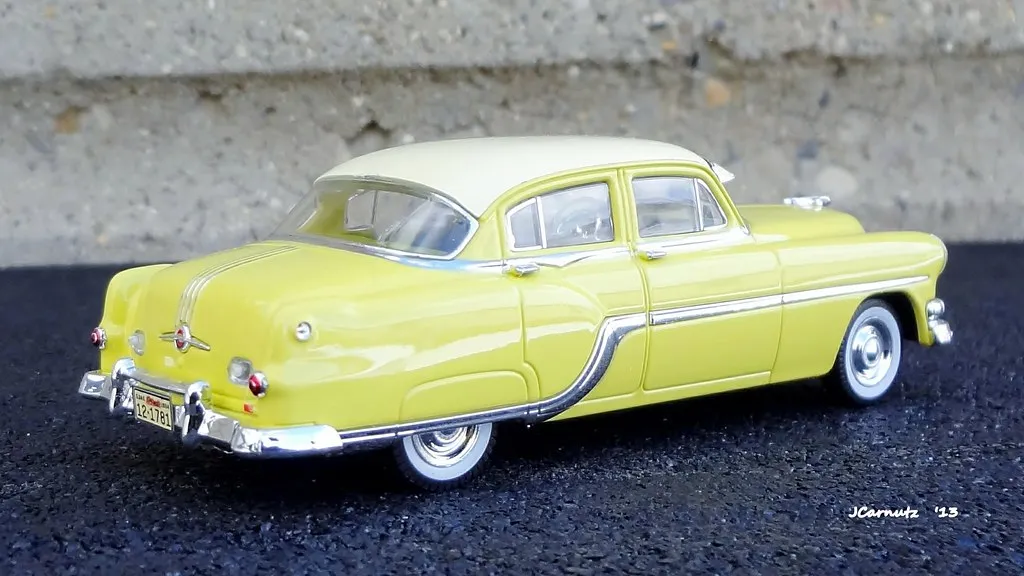
What is Diecast Restoration?
Diecast restoration is the process of bringing a damaged or worn diecast model back to its original condition or even improving upon it. This fascinating hobby combines elements of model building, painting, and a passion for collectibles. Whether you’ve inherited a cherished toy car from your childhood or found a neglected treasure at a flea market, diecast restoration offers a rewarding way to breathe new life into these miniature marvels. The process involves careful disassembly, cleaning, paint removal, repair, repainting, detailing, and reassembly, often resulting in a stunning transformation. This guide is perfect for those just starting out in the world of diecast restoration, helping you through each stage of the project.
Gathering Your Diecast Restoration Tools
Before you start, gather the right tools. Your workspace should be well-lit and ventilated. You will need screwdrivers (various sizes, including Phillips head), pliers (needle-nose and standard), a hobby knife, a cutting mat, and possibly a Dremel tool for more complex projects. Always prioritize safety when working with sharp tools and power tools. These are just the basic tools needed to get started. It’s always a good idea to invest in quality tools, as they will last longer and make the restoration process easier and more enjoyable. Good tools are the key to a successful diecast restoration project.
Essential Cleaning Supplies

Cleaning is the initial step. You’ll need a mild degreaser or dish soap, warm water, soft brushes (toothbrush or similar), cotton swabs, and paper towels. Avoid harsh chemicals that could damage the diecast metal or plastic parts. Always test any cleaning solution on a hidden area of the model first. These supplies are essential for preparing the model for further restoration work. Thorough cleaning ensures that paint and other materials adhere correctly and removes any dirt, grease, or debris that could interfere with the process. This initial step is essential for a successful restoration.
Disassembly and Assessment
Disassembly and assessment are crucial before you can start the restoration process. This is where you carefully take the model apart, taking note of how everything fits together. Take photos during the process to help you remember how things go back together. Lay out the parts in an organized manner to avoid losing anything. Once disassembled, carefully assess the model’s condition. Identify damaged parts, missing pieces, and areas of rust or corrosion. This assessment will help you determine the scope of your restoration. Make notes of the condition of each part, and consider what you may need to replace or repair. This will help you plan the rest of your project.
Careful Disassembly Steps
Begin by unscrewing any screws. Use the appropriate size screwdriver to avoid stripping the heads. Carefully remove the wheels, axles, and any interior components. Gently pry apart any glued parts using a hobby knife, if necessary. Remember to work slowly and methodically, taking your time to avoid breaking any delicate parts. The most important part of disassembly is to take your time and to be organized. Many enthusiasts use small containers or trays to keep track of parts. Label the containers to prevent mixing up parts. This process requires patience and precision, so don’t rush.
Assessing the Damage

Once disassembled, inspect each component for damage. Check for broken parts, cracks, rust, or corrosion. Determine if any parts need to be replaced or repaired. Consider the overall condition of the paint and if it needs to be removed. Make a detailed list of the required repairs or replacements. This assessment will determine the extent of your restoration efforts. Minor imperfections might be easily fixed with some sanding and filling, while significant damage may require parts from another model. Documenting the existing damage will also help you determine the required steps to restore the model to its original glory.
Paint Removal Techniques
Removing the old paint is often necessary for a quality restoration. You have several options, including chemical strippers and abrasive methods. Choose a method suitable for your model. Always wear appropriate safety gear, including gloves and eye protection. Work in a well-ventilated area. Patience is essential. Be careful not to damage the underlying metal or plastic. This stage will significantly impact the finished result of your restoration, so it is very important to select the appropriate paint removal method and exercise extreme care during the process.
Different Paint Removal Methods
Chemical strippers are effective but can be harsh. Follow the manufacturer’s instructions carefully. Abrasive methods, like bead blasting or careful sanding, can also remove paint. Always wear a respirator when using abrasive methods to avoid inhaling paint particles. Sanding requires care to prevent removing too much material or damaging the model’s details. Be sure to select the appropriate method, depending on the type of paint and the model’s materials. Each method has its advantages and disadvantages, so choose one that suits your level of experience and the model’s condition.
Prep Work and Priming

Before painting, prepare the surface. This involves cleaning, sanding, and filling any imperfections. Use fine-grit sandpaper to smooth the surface. If there are any dents or scratches, fill them with a suitable filler and sand them smooth. Priming creates a good base for the paint. It also improves adhesion and helps the paint look better. Select a primer designed for the model’s material. This is one of the most critical steps, because the quality of the final result largely depends on the preparation of the surface. Thoroughly preparing the surface will help the paint adhere smoothly and evenly. The right primer can provide a uniform base and aid in the final finish.
Surface Preparation
After paint removal, thoroughly clean the model to remove any remaining residue. Inspect the surface for any imperfections, like scratches, dents, or imperfections. These imperfections will be more visible once the model is painted, and if left alone, will destroy the aesthetic value of the model. Use fine-grit sandpaper to smooth the surface and remove any remaining imperfections. If necessary, fill any dents or imperfections with model filler and sand them smooth. This process creates a flawless surface ready for priming and painting.
Priming the Diecast Model
Once the surface is prepared, apply a primer. Choose a primer suitable for the metal or plastic of your model. Apply several thin, even coats of primer, allowing each coat to dry before applying the next. This will ensure good adhesion and a smooth surface. Priming creates a base for the paint and also provides a uniform surface that is essential for the final paint job. Make sure to choose the right type of primer and apply it correctly. A primer is a critical step in the diecast restoration process, providing a base for the paint and helping it adhere to the surface.
Painting Your Diecast

Painting is where you bring your vision to life. You can choose to replicate the original color scheme or create a custom design. Choose high-quality paints designed for model cars. Airbrushing is the preferred method for achieving a smooth, even finish, but you can also use spray cans, if done carefully. The key to a good paint job is to apply multiple thin coats and let each coat dry completely before applying the next. This will help you avoid runs and drips. It’s better to apply several thin coats than a single thick coat. Careful planning, a steady hand, and patience are all key elements of an excellent paint job.
Choosing the Right Paint
Select paints designed for model cars. Acrylic and enamel paints are common choices. Acrylic paints are water-based, easy to clean up, and dry quickly. Enamel paints offer a durable finish but take longer to dry and require solvent-based thinners for cleanup. Consider the color and finish you want to achieve. High-gloss paints give a shiny, professional look. Matte finishes are more subtle. Always test the paint on a hidden area of the model before applying it to the entire surface. This is important to ensure the paint adheres correctly and that the final look is what you are expecting.
Applying the Paint
The airbrush is preferred to apply paint in thin, even coats. If using spray cans, hold the can at a consistent distance and use smooth, sweeping motions. Apply several thin coats rather than one thick coat. This prevents runs and drips. Allow each coat to dry thoroughly before applying the next. For best results, ensure you have good lighting and a dust-free environment. Patience is key. Let the paint dry completely before handling the model. This process usually takes several hours and will depend on the type of paint that has been used.
Decaling and Detailing

Decals and detailing add realism and character. Use high-quality decals or create your own using decal paper. Apply decals carefully, using decal setting solution to help them conform to the model’s surface. Detailing includes adding chrome trim, lights, and other small features. Small details make a big difference in the final appearance of the model. This is the stage where you can truly bring your diecast model to life. Detailing will make the model more accurate and also will make the model look far better than an ordinary model without any detailing.
Applying Decals
Carefully cut out the decals and soak them in water. Slide the decal off the backing paper and position it on the model. Use a decal setting solution to help the decal conform to the surface and remove air bubbles. If any bubbles are present, use a soft cloth or cotton swab to gently push them out. Allow the decals to dry completely. Adding decals makes the model look far more authentic, with the appropriate logos, markings, and other visual cues.
Detailing the Model
Detailing involves adding small, often intricate, features to the model to enhance its realism. This might include painting details, such as headlights, taillights, and trim. You can also add accessories like chrome accents, mirrors, and other small parts. Use fine-tipped brushes and steady hands. This step allows you to take your model to the next level. This stage requires a lot of patience and precision. It adds to the overall visual appeal of your diecast model. Detailing is essential to transform a nice-looking model into a showpiece.
Reassembly and Finishing Touches

Carefully reassemble the model, referring to your photos from the disassembly process. Ensure all parts fit correctly and are securely attached. Use the appropriate glue or fasteners. Reattach the wheels and any remaining parts. Once reassembled, inspect the model for any imperfections or areas that need touch-ups. Apply a clear coat to protect the paint and decals. Polishing can also be done to bring out a high shine. These final steps will complete the restoration project, and is one of the most satisfying parts of the entire process.
Putting it All Back Together
Follow your disassembly photos and carefully reassemble the model. Start by reattaching the interior components, then the wheels, axles, and other parts. Use the appropriate screws, glue, or fasteners to secure the components. Ensure everything fits together correctly and that the model functions as intended. Take your time, and be meticulous. It is important to check if the parts have been attached in the correct sequence. If any parts don’t fit correctly, do not force them. Double-check the alignment, and re-evaluate any modifications you may have made. After all the work, it is a satisfying experience.
Protecting Your Work
Once the model is fully assembled, protect your work with a clear coat. This provides a durable finish that protects the paint and decals from scratches and damage. Use a high-quality clear coat designed for model cars. Apply several thin coats, allowing each coat to dry before applying the next. You can also polish the model to enhance its shine and add a professional touch. Protecting your work and taking the time to polish the model will provide a long-lasting, beautiful finish that will allow you to enjoy your restored model for years to come.
Where to Find Help Diecast Restoration Forum
Diecast restoration forums are a valuable resource for enthusiasts. You can find help from other enthusiasts on how to solve a problem. Members share tips, techniques, and resources. Online forums offer a wealth of information and support for all skill levels. Many diecast restoration forums can provide answers to your questions, offer guidance, and inspire you with examples of outstanding work. You can also seek assistance from people who have faced the same issues. Don’t hesitate to participate and share your experiences with others. Diecast Restoration Forums are also a great place to find resources and to stay abreast of new techniques, tools, and materials.