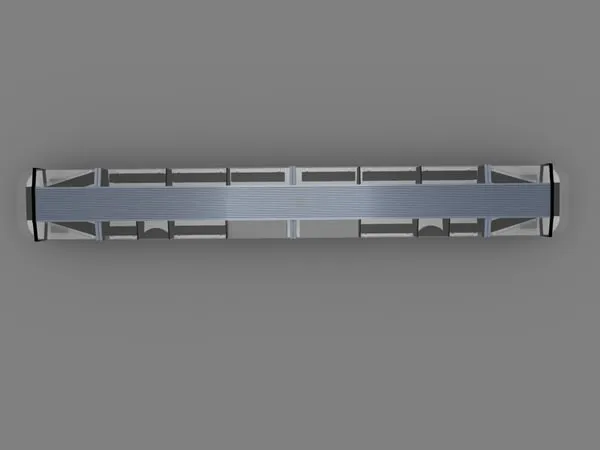
What is a Diecast Police Light Bar?
A diecast police light bar is a specialized lighting system primarily used on emergency vehicles, such as police cars, fire trucks, and ambulances. These light bars are designed to provide high visibility, ensuring that the vehicle can be seen from a significant distance, even in adverse weather conditions or low-light environments. The term “diecast” refers to the manufacturing process, where molten metal is forced into a mold to create the housing or casing of the light bar. This construction method allows for robust and durable light bars capable of withstanding the rigors of daily use and exposure to the elements. Diecast light bars are known for their resilience and ability to protect the internal components from damage, ensuring a long lifespan and reliable performance. The selection of the right diecast police light bar is a crucial decision, and understanding the various factors involved will ensure that you select the best option for your specific needs.
Types of Diecast Police Light Bars
Diecast police light bars come in several types, each designed to serve specific purposes and offer different features. The most common types include full-size light bars, which span the entire width of the vehicle’s roof, offering maximum visibility. Then, there are mini light bars, which are smaller and more compact, often used on vehicles where a full-size bar is not practical. These mini bars are ideal for undercover vehicles or those needing a less conspicuous presence. Another type is the directional light bar, which allows for specific sections of the light bar to be activated, providing a focused warning signal. These are particularly useful in directing traffic or signaling specific hazards. Understanding the different types of light bars available allows you to make an informed choice based on the vehicle’s requirements, the operational environment, and the specific needs of the personnel using the vehicle.
LED vs Halogen Diecast Light Bars

The choice between LED and halogen diecast police light bars is a critical decision, as it directly impacts performance, efficiency, and longevity. Halogen light bars, which have been used for many years, use filament bulbs to produce light. While they are typically more affordable upfront, they have several disadvantages. They consume significantly more power, generate more heat, and have a shorter lifespan compared to LED alternatives. LED (Light Emitting Diode) light bars, on the other hand, are quickly becoming the industry standard. LEDs offer a bright, focused light output with low power consumption and minimal heat generation. They also have a much longer lifespan, reducing the need for frequent replacements and minimizing maintenance costs. While LED light bars may have a higher initial cost, their energy efficiency, durability, and superior performance often make them the more cost-effective choice in the long run. LEDs also offer a wider range of light patterns and colors, allowing for customization to suit specific needs.
Factors to Consider Before Buying
Before purchasing a diecast police light bar, several key factors must be carefully considered to ensure the chosen product meets your specific needs and requirements. First, assess the vehicle’s size and design to determine the appropriate light bar dimensions. You need to make sure the light bar fits securely and does not obstruct the driver’s view or interfere with other vehicle components. Also, consider the intended use of the light bar. If the vehicle is used primarily for emergency response, a light bar with high visibility and various flashing patterns will be essential. For undercover operations or vehicles needing a less conspicuous profile, smaller light bars or directional lights may be more appropriate. The operating environment also plays a critical role. Consider weather conditions, ambient lighting, and traffic patterns to determine the brightness, colors, and patterns needed for optimal visibility. Finally, you must ensure that the light bar complies with all local and national regulations for emergency vehicle lighting.
Size and Dimensions
The size and dimensions of a diecast police light bar are critical aspects to consider, as they directly affect the light bar’s visibility, compatibility with the vehicle, and overall performance. Before purchasing, measure the roof of the vehicle to determine the maximum length and width the light bar can accommodate. Ensure the light bar does not exceed the vehicle’s roof dimensions, and consider any potential obstructions, such as antennas or roof racks. When selecting the height, consider the vehicle’s overall profile and any potential clearance issues. A taller light bar may provide better visibility, but it could also increase wind resistance or interfere with garage access. Light bar sizes vary, ranging from compact mini-bars to full-size models spanning the entire roof. Ensure the chosen size matches the vehicle type and operational requirements. Smaller vehicles may require mini light bars, while larger vehicles may benefit from full-size light bars.
Light Patterns and Visibility

The light patterns and visibility of a diecast police light bar are essential for effectively communicating the vehicle’s presence and warning other drivers. Light patterns refer to the various flashing or rotating sequences the light bar can produce. Common patterns include alternating, strobe, and steady burn. The selection of light patterns should consider factors such as the intended use of the vehicle, the operational environment, and local regulations. Alternating patterns, where different sections of the light bar flash in sequence, are typically used to attract attention and signal the vehicle’s presence. Strobe patterns, with rapid bursts of light, can be used to create a more urgent warning signal. Steady burn patterns, where the lights remain constantly illuminated, may be used for stationary operations. Visibility is related to the light’s intensity and the angle at which it can be seen. The light bar should be bright enough to be visible during the day and in various weather conditions. Consider the light’s beam angle. A wider beam angle provides greater visibility from different directions.
Durability and Build Quality
The durability and build quality of a diecast police light bar are paramount, as it must withstand the demanding conditions encountered by emergency vehicles. The diecast construction itself contributes significantly to durability, providing a rugged housing capable of withstanding impacts, vibrations, and exposure to the elements. Look for light bars made from high-quality materials, such as aluminum alloys or reinforced plastics, to ensure long-term reliability. The lenses should be made from impact-resistant materials, such as polycarbonate, to prevent cracking or breaking. Consider the light bar’s ingress protection (IP) rating. An IP rating indicates the level of protection against dust and water. For emergency vehicles, a high IP rating is essential to prevent damage from rain, snow, and other environmental factors. Ensure that the light bar’s components, such as wiring, connectors, and mounting hardware, are also of high quality and designed to withstand the rigors of continuous use. Inspect the light bar’s build quality by reading reviews.
Power and Voltage Requirements
Understanding the power and voltage requirements of a diecast police light bar is essential for proper installation and operation. Light bars typically operate on 12V or 24V DC power systems, common in most vehicles. Verify that the light bar’s voltage requirements match the vehicle’s electrical system before installation. Check the light bar’s power consumption, measured in watts or amps, to ensure the vehicle’s electrical system can handle the load. Overloading the electrical system can cause fuses to blow or, in extreme cases, damage the vehicle’s electrical components. When installing the light bar, use appropriate wiring and connectors, and make sure they are securely connected to the vehicle’s power supply. Consider the length of the wiring runs and the gauge of the wire to minimize voltage drop, which can affect the light bar’s performance. Consult the light bar’s manual for specific wiring instructions and recommendations. It is recommended to consult with a qualified automotive electrician to ensure the light bar is installed correctly.
Installation and Mounting Options

Proper installation and mounting of a diecast police light bar are essential for ensuring its stability, visibility, and longevity. Before installation, carefully review the light bar’s mounting instructions and any specific recommendations. The mounting options will vary depending on the light bar’s design and the vehicle type. Common mounting options include roof mounts, which may involve using brackets or mounting feet to secure the light bar to the vehicle’s roof. Permanent mounting may require drilling holes into the vehicle’s roof, while temporary mounts may use clamps or suction cups. Magnetic mounts offer a convenient temporary solution, but they may not be suitable for all applications or high-speed driving. Ensure the mounting location is structurally sound and can support the weight of the light bar. Use the appropriate hardware, such as bolts, screws, and washers, to securely attach the light bar to the vehicle. Follow the manufacturer’s instructions for wiring the light bar to the vehicle’s power supply. After installation, carefully check all connections to ensure they are secure and weatherproofed to prevent corrosion. If you are not experienced with installing automotive electrical systems, it is recommended to consult a professional.
Top Brands for Diecast Police Light Bars
Several reputable brands offer high-quality diecast police light bars, each with its strengths and specialties. Whelen Engineering is a well-known and respected manufacturer in the emergency vehicle lighting industry, known for its innovative designs, reliable performance, and comprehensive product range. Federal Signal is another leading brand, providing a wide variety of light bars and other emergency lighting solutions. They are known for their robust construction and advanced features. Code 3 is a popular choice, offering a range of light bars known for their brightness, durability, and ease of installation. SoundOff Signal is also a reliable brand, offering a range of LED light bars known for their energy efficiency and innovative designs. When choosing a brand, consider factors such as product reviews, warranty coverage, and the availability of replacement parts and support. Researching different brands and comparing their features and specifications will help you select a light bar that meets your specific needs and budget. Consider the reputation of the manufacturer and the reliability of their products.
Budget Considerations
Setting a budget is a crucial step in selecting the right diecast police light bar. Prices can vary significantly depending on the light bar’s features, size, brand, and build quality. Determine your budget range before starting your search to narrow your options and avoid overspending. Consider the initial cost of the light bar and any additional costs, such as installation fees or accessories. While it’s tempting to choose the least expensive option, remember that a lower price does not always equate to the best value. Investing in a higher-quality light bar from a reputable brand may provide better performance, longer lifespan, and lower maintenance costs. Weigh the upfront cost against the long-term benefits. If you have limited funds, look for light bars that offer essential features and meet your minimum requirements. You can also explore options such as used or refurbished light bars, but ensure they are in good condition and meet safety standards. When budgeting, also factor in the cost of any necessary installation hardware or professional installation services. Comparing prices from different suppliers and considering various payment options can also help you stay within your budget.
Where to Buy Your Diecast Police Light Bar

Choosing where to buy your diecast police light bar is as important as choosing the light bar itself. Several options are available, each offering different advantages and disadvantages. Authorized dealers are a reliable source, offering genuine products, expert advice, and warranty support. They often have a wide selection of light bars and can provide professional installation services. Online retailers offer a vast selection of light bars from various brands at competitive prices. However, be sure to purchase from reputable retailers. They may offer detailed product descriptions, customer reviews, and convenient shipping options. Local automotive supply stores can provide hands-on service and allow you to inspect the light bar before purchase. They may also offer installation services and be a good source for accessories. Before making a purchase, compare prices, shipping costs, and return policies from different suppliers. Check the retailer’s reputation and customer reviews. Ensure that the retailer offers a warranty on the light bar and provides customer support. Always verify the authenticity of the product and ensure it complies with all relevant regulations.
By considering these factors, you can choose the best diecast police light bar for your needs.