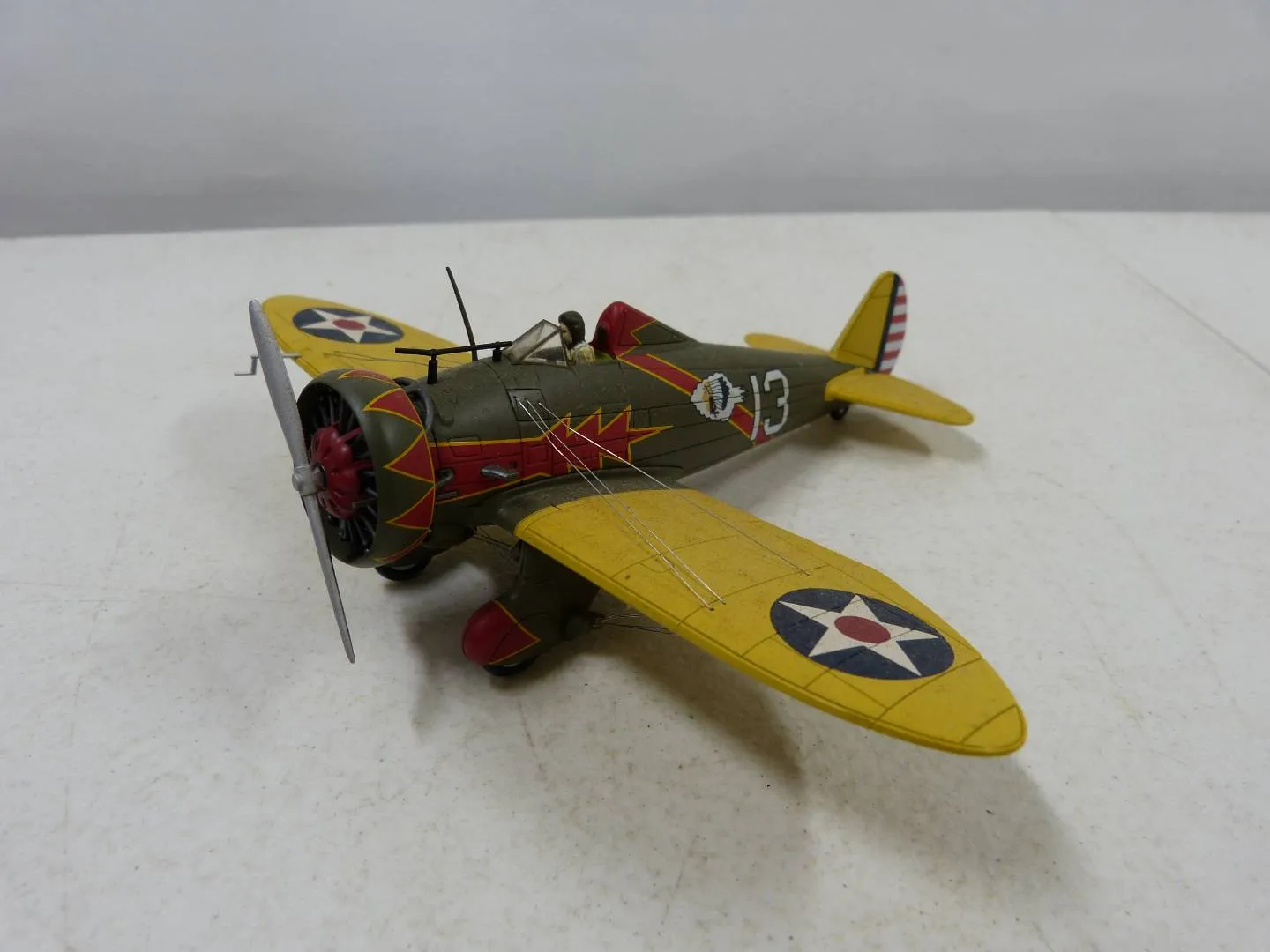
What Are Diecast Plane Kits
Diecast plane kits offer aviation enthusiasts a unique way to engage with their passion, providing detailed scale models of various aircraft. These kits typically feature airplanes constructed from diecast metal, a process where molten metal is injected into molds, allowing for intricate designs and a high level of detail. Unlike plastic models that require extensive assembly and painting, diecast plane kits often come pre-painted and pre-assembled to a certain degree, focusing on ease of assembly, durability, and authenticity. This makes them an appealing choice for both seasoned collectors and those new to the hobby. From historical warplanes to modern commercial jets, the range of available diecast plane kits is vast, catering to diverse interests and preferences. These kits are not just toys, but also miniature representations of aviation history and engineering, capturing the essence of flight in a tangible form. Explore the world of diecast plane kits and discover the joys of collecting and assembling these miniature marvels.
The Appeal of Diecast Plane Kits
The allure of diecast plane kits extends beyond mere aesthetics, rooted in a blend of nostalgia, historical appreciation, and a love for aviation. For many, these models evoke a sense of wonder, reminiscent of childhood dreams of flight or a fascination with the engineering of aircraft. Collectors are drawn to the realism and detail, as diecast metal allows for intricate designs and features that plastic models often struggle to replicate. The weight and feel of a diecast model also contribute to its appeal, offering a sense of quality and durability that enhances the overall experience. Moreover, these kits provide a tangible connection to aviation history, with models representing iconic aircraft from different eras, allowing enthusiasts to own a piece of the past. The hobby also fosters a sense of community, where collectors share their knowledge and passion, further enriching the experience.
Why Choose Diecast Over Plastic

Choosing between diecast and plastic model plane kits depends largely on your personal preferences and priorities. Diecast models generally offer a higher level of detail and realism due to the manufacturing process, which allows for intricate designs and robust construction. They are often pre-painted, minimizing the need for painting skills and time, making them ideal for beginners or those who prefer a quicker assembly process. The durability of diecast metal also ensures that these models can withstand handling and display without significant damage. Plastic kits, on the other hand, provide more flexibility in terms of customization, allowing builders to apply their painting techniques and detailing. They may also offer a wider range of models and scales. However, plastic kits often require more time, skill, and specialized tools for assembly and painting. Ultimately, the decision depends on whether you prioritize ease of assembly and high detail or the opportunity for customization and hands-on building.
Getting Started with Diecast Plane Kits
Embarking on the world of diecast plane kits is an exciting journey, best started with a bit of research and preparation. Begin by exploring the various types of aircraft available, from historical warplanes to modern commercial jets, and identify the models that spark your interest. Consider the scale, as this will determine the size and detail of the finished model, with popular scales including 1:72, 1:200, and 1:400. Research different brands and manufacturers to learn about their reputation for quality and detail. Decide on the level of detail you desire and the time you are willing to invest in assembly, as some kits are designed for easy assembly, while others offer more complex features. Finally, browse online retailers and local hobby shops to find a kit that suits your interests and budget, keeping in mind that the cost can vary widely depending on the size, detail, and brand of the model. With a little planning, you can find the perfect kit to start your diecast plane collecting adventure.
Choosing Your First Kit
Selecting your first diecast plane kit should be an enjoyable process, focusing on factors such as personal interests, skill level, and budget. Start by identifying the type of aircraft that appeals to you most, whether it’s a classic World War II fighter, a sleek commercial airliner, or a modern military jet. Beginners should consider kits with fewer parts and simpler assembly instructions to avoid frustration. Pay attention to the scale, as larger scales often offer more detail but also require more space for display. Research different brands and manufacturers to compare their quality and reputation, looking for reviews and recommendations from other collectors. Set a budget and stick to it, as the cost of kits can range widely. Consider the level of detail and pre-assembly features offered by the kit. Finally, don’t be afraid to ask for advice from experienced collectors or shop owners, as their insights can be invaluable in making your first purchase. Choose a model you’re excited about, and enjoy the experience of building and displaying it.
Scale and Detail

Scale and detail are crucial aspects of selecting a diecast plane kit, significantly influencing the model’s realism and visual impact. Scale refers to the ratio of the model’s size to the actual aircraft, with common scales including 1:72, 1:200, and 1:400. Larger scales (like 1:72) offer more detail and allow for intricate features, such as opening doors, detailed cockpits, and realistic paint schemes. Smaller scales (like 1:400) are more compact, making them ideal for collectors with limited space, but the detail may be slightly less pronounced. Detail encompasses the level of accuracy and fidelity in the model’s design, including the shape of the fuselage, the wings, the engines, and the landing gear. Look for kits with finely molded panels, realistic markings, and well-executed paint jobs. High-quality diecast models often feature accurate panel lines, detailed cockpits, and accurate representations of the aircraft’s interior. Consider how much detail is important to you and choose a scale and model that meets your expectations for realism and visual appeal. A well-detailed model in a suitable scale will provide a more satisfying collecting experience.
Types of Aircraft
The world of diecast plane kits offers a vast array of aircraft types, catering to diverse interests and historical preferences. You can choose from a range of military aircraft, including fighter jets, bombers, and transport planes from various eras. These models often showcase historical significance, representing iconic aircraft used during major conflicts or in the development of modern air power. For commercial aviation enthusiasts, diecast kits offer detailed models of popular airliners, such as Boeing 747s, Airbus A380s, and regional jets. These models showcase the evolution of air travel, featuring realistic paint schemes and airline markings. Additionally, there are kits of experimental aircraft, helicopters, and even spacecraft, providing opportunities for niche collecting interests. Explore these diverse types of aircraft to discover the models that resonate with your personal preferences and collect the ones that represent key moments in aviation history, engineering advancements, or your favorite aircraft.
Essential Tools and Materials
While diecast plane kits often require minimal assembly, having the right tools and materials can enhance the building experience and improve the final result. Essential tools include a hobby knife or a pair of flush cutters for removing parts from the sprue, small files for cleaning up edges, and fine-tipped tweezers for handling delicate parts. Glue, such as super glue, is needed for assembling the parts, and it’s important to choose a glue specifically designed for plastics and metals. For cleaning the models and removing dust or debris, you will need a soft cloth or a cotton swab. Other optional but useful tools include a magnifying glass for closer inspection of details, a small drill for modifying parts, and a set of paintbrushes if you want to add extra detailing. Ensure you have a well-lit workspace, and consider using a cutting mat to protect your work surface. These tools and materials will help you handle your models with care, assemble them accurately, and bring your diecast plane kits to life.
Assembly Techniques

Assembling diecast plane kits is typically straightforward, though some basic techniques will enhance the quality of the final model. Begin by carefully removing the parts from the sprue, using a hobby knife or flush cutters to avoid damaging the parts. Trim any excess plastic or metal from the edges and clean up the parts to ensure a proper fit. Before applying glue, dry-fit the parts to ensure they align correctly and make any necessary adjustments. Use a small amount of glue, applying it sparingly to prevent it from oozing out and ruining the appearance of your model. Hold the parts together until the glue sets, following the manufacturer’s instructions. If your model has decals, apply them after the main assembly and before any clear coats. Apply a decal setting solution to help the decals conform to the model’s surface, eliminating air bubbles. Allow everything to dry completely before handling or displaying your model.
Preparing the Parts
Properly preparing the parts is a crucial first step in building a diecast plane kit, influencing the quality of the finished model. Start by carefully examining the sprue or parts sheet to identify each component and understand its intended placement in the overall design. Use a sharp hobby knife or flush cutters to remove the parts from the sprue, being careful not to damage them. Trim away any excess plastic or metal (sprue marks) from the edges of the parts, as these can interfere with the fit and appearance of the model. Use a small file or sandpaper to smooth rough edges, ensuring a clean and precise fit. Dry-fit the parts before applying glue to check their alignment and identify any potential problems. Clean the parts with a soft cloth or cotton swab to remove any dust or debris that might interfere with paint adhesion or glue bonding. Thoroughly preparing the parts ensures a smooth, accurate, and professional-looking final result.
Gluing and Joining
Gluing and joining parts correctly is fundamental to assembling your diecast plane kit. Choose a glue specifically designed for plastic and metal models, such as super glue, which provides a strong and durable bond. Apply the glue sparingly to the joining surfaces, avoiding excess that can spill out and mar the model’s appearance. Carefully align the parts and hold them together until the glue sets, following the manufacturer’s instructions for drying time. For larger parts or parts that require extra support, you may consider using clamps or masking tape to hold them securely in place while the glue dries. If any glue seeps out, carefully remove it with a cotton swab dipped in a solvent (such as acetone, use with caution). After the glue has completely dried, check the joins for any gaps or imperfections and touch them up with paint or filler if necessary. Proper gluing and joining techniques ensure that your model is sturdy, well-aligned, and aesthetically pleasing.
Painting and Detailing

While many diecast plane kits come pre-painted, adding extra detailing can significantly enhance the realism and visual appeal of your model. Begin by preparing the surfaces for painting, ensuring they are clean and free of dust. Use fine-grit sandpaper to lightly scuff the surface, improving paint adhesion. Choose high-quality model paints, such as acrylics, and apply them in thin, even coats to avoid drips and runs. Use masking tape to protect areas that you do not want to paint. For added realism, consider weathering techniques to simulate wear and tear, such as washes, dry brushing, and airbrushing. Washes involve applying a thin, diluted paint to panel lines and details, enhancing their visibility. Dry brushing involves lightly brushing a dry brush with paint over raised surfaces, accentuating the texture. Airbrushing is a more advanced technique that allows for precise painting and shading. Adding decals, such as insignias and markings, can further enhance the model’s authenticity. With careful painting and detailing, your diecast plane kit can become a stunning display piece.
Displaying Your Finished Models
Displaying your finished diecast plane models is a rewarding way to showcase your collecting passion and admire your craftsmanship. Consider using display cases, which protect your models from dust, damage, and accidental handling. Arrange your models in a way that highlights their features and creates an engaging visual display. Use shelves or risers to vary the heights of the models, creating depth and visual interest. Lighting can enhance the appearance of your models, with spotlights or ambient lighting creating a dramatic effect. Group models by type, era, or airline, allowing viewers to appreciate the diversity of your collection. Provide labels or information cards to educate viewers about the aircraft and their historical significance. Rotate your display occasionally to keep things fresh and prevent the models from being exposed to prolonged sunlight. With a thoughtfully arranged display, your diecast plane models become a focal point of your home or office.
Protecting Your Collection
Protecting your diecast plane kit collection is vital to maintaining its value and preserving its beauty for years to come. Store your models in a clean, dry environment, away from direct sunlight, extreme temperatures, and humidity. Direct sunlight can fade the paint and damage the decals, while humidity can lead to corrosion and mold growth. Display cases provide excellent protection against dust, accidental damage, and curious hands. Handle your models with care, holding them by the fuselage or base to avoid touching delicate parts. Use a soft cloth or a feather duster to clean the models, avoiding harsh chemicals or abrasive materials. Consider using archival-quality storage boxes or containers to protect the models when they are not on display. Regularly inspect your collection for any signs of damage or deterioration, and address any issues promptly. By taking these precautions, you can ensure that your diecast plane kit collection remains in pristine condition for years to come.
Finding a Community of Enthusiasts

Joining a community of diecast plane kit enthusiasts enriches your hobby, providing opportunities to share knowledge, seek advice, and connect with like-minded individuals. Online forums and social media groups dedicated to model aircraft collecting are excellent resources for learning, sharing, and finding inspiration. Participate in discussions, ask questions, and share photos of your collection to engage with other enthusiasts. Local model airplane clubs and aviation museums often host events, meetings, and workshops, offering hands-on learning experiences and a chance to connect with fellow collectors. Attending model shows and conventions is another way to see a wide variety of models, meet manufacturers, and purchase new kits. Build relationships with experienced collectors and shop owners, as they can provide invaluable advice and insights. By actively participating in a community, you can expand your knowledge, refine your skills, and deepen your appreciation for this fascinating hobby.