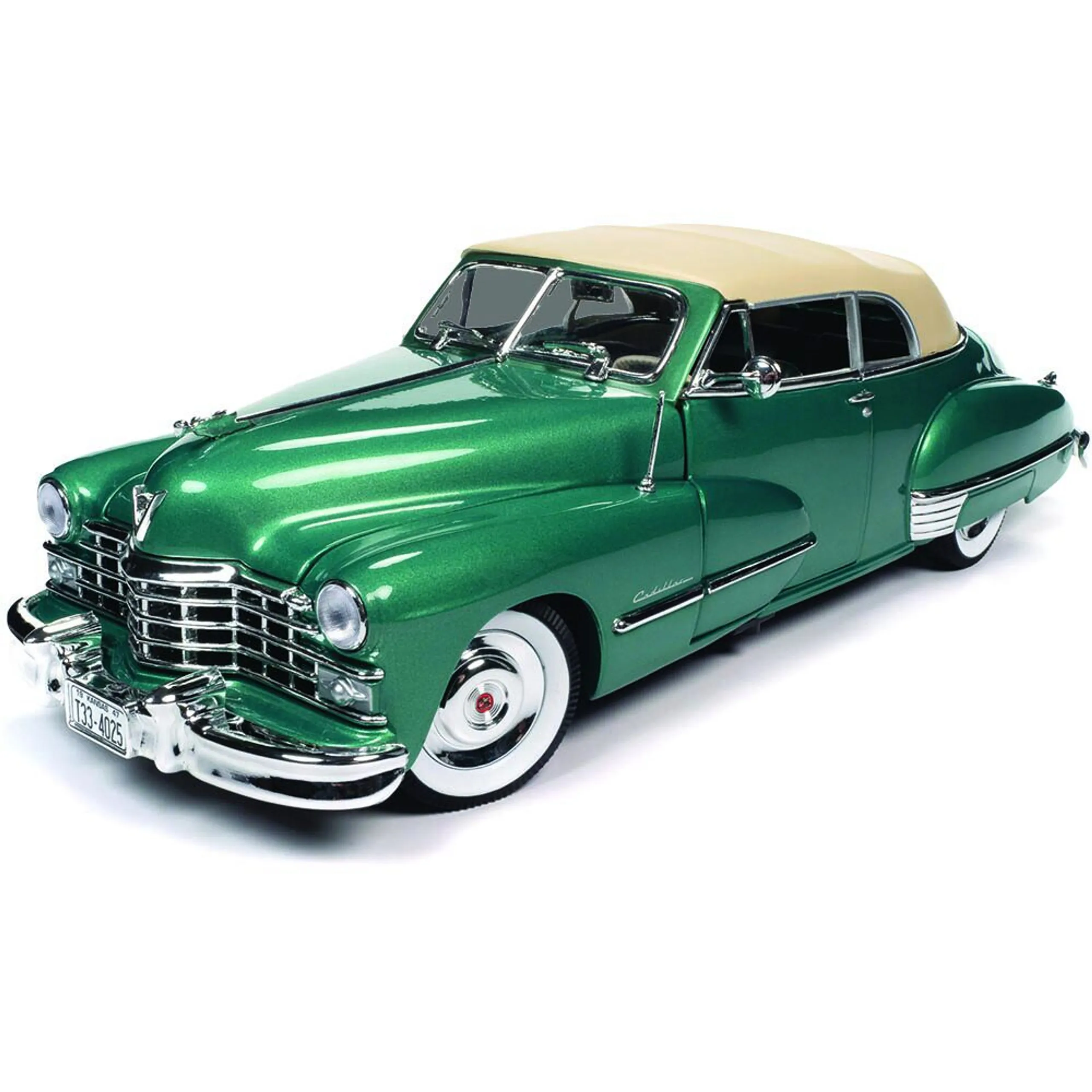
What are Limited Edition Diecast Models
Limited edition diecast models represent a fascinating segment of the collectibles market, attracting enthusiasts who appreciate detail, rarity, and historical significance. These miniature replicas of cars, trucks, and other vehicles are produced in restricted quantities, making them highly sought after by collectors. The appeal of these models goes beyond their aesthetic value; they offer a tangible connection to automotive history, engineering feats, and popular culture. Understanding what makes a diecast model ’limited edition’ is crucial for both novice and seasoned collectors aiming to navigate this exciting field.
Defining Limited Editions
The term “limited edition” in the diecast world signifies that a specific model is produced in a predetermined quantity. Unlike standard production models that are manufactured in large numbers, limited editions are typically created in batches ranging from a few hundred to a few thousand pieces. This scarcity is the primary driver of their collectibility and value. Manufacturers often announce the production run numbers, which are then documented, adding to the model’s prestige. Features like unique paint schemes, exclusive detailing, and special packaging also distinguish limited editions.
Why Collect Limited Editions

Collecting limited edition diecast models offers a multitude of rewards. For many, it is the passion for automotive history and engineering that fuels their interest. Others find satisfaction in the thrill of the hunt, the challenge of acquiring rare and sought-after models. Limited editions can also be a sound investment. Their value often appreciates over time, particularly those in high demand and in excellent condition. Furthermore, collecting these models fosters a sense of community, connecting enthusiasts through clubs, online forums, and events where they can share their passion and knowledge.
Where to Find Limited Edition Diecast Models
The quest for limited edition diecast models is an adventure in itself. Collectors employ a variety of strategies to locate these treasures, from frequenting online marketplaces to attending exclusive events. The key to success lies in knowing where to look, being persistent, and cultivating relationships within the collecting community. With dedication and a little bit of luck, you can find those rare models that will enrich your collection. Each source presents its unique advantages and challenges, so a multi-pronged approach is often the most effective strategy.
Online Marketplaces
Online marketplaces such as eBay, specialized diecast model platforms, and dedicated collector forums are major hubs for buying and selling limited editions. These platforms provide access to a vast inventory from sellers worldwide, allowing you to search for specific models, compare prices, and read reviews. However, due diligence is crucial. Always check seller ratings, examine detailed photos of the model, and inquire about the model’s history and condition. These online marketplaces also provide an efficient way to track current market values and trends, helping you make informed purchasing decisions.
Specialty Diecast Shops

Specialty diecast shops, both brick-and-mortar stores and online retailers, are another excellent source. These shops specialize in diecast models and often carry a curated selection of limited editions. The advantage of buying from a reputable shop is the assurance of authenticity and condition. Shop owners and staff are usually knowledgeable and can offer valuable insights, helping you assess the model and its value. Many shops also offer exclusive models or pre-order options, giving collectors a head start in acquiring the latest releases.
Auctions and Collectors’ Events
Attending auctions and collectors’ events provides unparalleled opportunities to find rare and highly desirable limited edition models. Auctions can feature models from private collections, often at competitive prices. Collectors’ events, such as model shows and conventions, bring together dealers and collectors, offering a chance to buy, sell, and trade. These events also provide a platform for networking, allowing you to connect with fellow enthusiasts and gain insights into the market. The atmosphere at these events is often electric, making the hunt for your next addition an enjoyable experience.
Identifying Authentic Limited Editions
Authenticity is paramount when collecting limited edition diecast models. Unfortunately, the popularity and value of these models have led to the emergence of counterfeit products. Collectors must develop a keen eye and employ a critical approach to ensure the models they acquire are genuine. By carefully examining the details, verifying documentation, and seeking expert advice when needed, you can protect your investment and maintain the integrity of your collection. This requires diligence and a commitment to learning the nuances of each model and manufacturer.
Checking for Certificates of Authenticity

Many limited edition models come with a Certificate of Authenticity (COA). The COA is a document provided by the manufacturer or a trusted third party that verifies the model’s authenticity and often includes details like the production number, model specifications, and the manufacturer’s signature. Always check for the presence of a COA and verify that it matches the model’s details. Scrutinize the COA for any signs of forgery, such as poor printing quality or inconsistencies with the manufacturer’s standards. If you are unsure, contact the manufacturer or an expert to confirm the COA’s validity.
Examining Packaging and Details
The packaging of a limited edition model is often as important as the model itself. Examine the box for any signs of tampering, damage, or inconsistencies with the manufacturer’s packaging standards. Check for the correct labeling, including the model name, production number, and manufacturer’s logo. The model’s details should also be thoroughly inspected. Look for high-quality paintwork, precise detailing, and accurate markings. Compare the model to known authentic examples online, paying close attention to features like the wheels, interior, and any special features specific to the limited edition version. Any discrepancies should raise a red flag.
Evaluating the Model’s Rarity
The rarity of a limited edition model directly impacts its value and collectibility. Determine the production run size – the fewer models produced, the rarer it is likely to be. Research the model’s history, including its release date, any special events associated with it, and its current market demand. Scarcity can be influenced by factors like the model’s popularity, the manufacturer’s reputation, and the model’s condition. The more information you gather, the better equipped you will be to assess the model’s rarity and make informed decisions. Also, consider the availability of replacement parts, which can affect the long-term value.
Maintaining Your Limited Edition Collection

Proper care and maintenance are essential for preserving the value and beauty of your limited edition diecast models. Establishing a suitable storage and display environment, as well as understanding valuation and insurance considerations, will protect your investment and allow you to enjoy your collection for years. A well-maintained collection is not only a source of pride but also retains its value and appeal over time. Regular cleaning, careful handling, and appropriate storage are key to safeguarding these treasured miniatures.
Proper Storage and Display
Store your models in a cool, dry place away from direct sunlight and extreme temperatures. Sunlight can fade paint and damage the model’s details, while humidity can cause rust and corrosion. Consider using display cases or cabinets to protect your models from dust and accidental damage. Ensure the display area is stable and away from areas with high foot traffic. When handling the models, use gloves to prevent fingerprints and oils from damaging the finish. Handle each model with care and avoid touching delicate parts. Regularly inspect your models for any signs of deterioration.
Insurance and Valuation
It is advisable to insure your limited edition diecast models, especially if your collection is substantial. Contact a specialist insurance provider to get a valuation and policy tailored to collectibles. Keep detailed records of each model, including the purchase price, any certificates of authenticity, and photographs. Regularly update your valuations, as the market prices of these models can fluctuate. Consider having your collection professionally appraised, especially if you plan to sell or insure it. This ensures that your collection is adequately protected and valued.
Investing in Limited Edition Diecast Models

Limited edition diecast models can be a fascinating and potentially lucrative investment. Like any collectible, their value is influenced by several factors, including rarity, condition, demand, and the model’s association with historical events or popular culture. While the market can be volatile, the best investment strategy combines passion with research and a long-term perspective. By understanding the market trends and carefully selecting models with the potential for appreciation, collectors can enjoy both the aesthetic and financial rewards.
Factors Influencing Value
Several factors influence the value of limited edition diecast models. Scarcity is paramount; the fewer models produced, the more valuable they are likely to be. Condition is also critical – models in mint condition with original packaging command the highest prices. The model’s historical significance, such as representing a famous car or event, also adds value. The manufacturer’s reputation and the popularity of the car model or brand play a significant role. Current market demand and trends also impact pricing. Research the model’s history, production run, and current market trends before making an investment.
Future Trends in the Diecast Market
The diecast model market is constantly evolving, with new trends emerging all the time. Advancements in manufacturing techniques, such as the use of 3D printing and enhanced detailing, are leading to more realistic and sought-after models. Increased interest in electric vehicles and sustainable transportation is likely to influence future model designs. Digital collecting, including virtual models and NFTs, may also play a role in the future of diecast collecting. The market will probably expand, creating new opportunities for collectors and investors. Staying informed about these trends will allow you to adapt and make informed investment decisions.
In conclusion, finding and collecting limited edition diecast models is a rewarding pursuit that combines the excitement of the hunt, the appreciation of craftsmanship, and the potential for investment. By following the guidelines for identifying authentic models, understanding the factors that influence value, and taking proper care of your collection, you can enjoy this engaging hobby for years. Whether you are a seasoned collector or just starting, the world of limited edition diecast models offers a fascinating journey into automotive history and the thrill of the collectible.