What Are Diecast Models
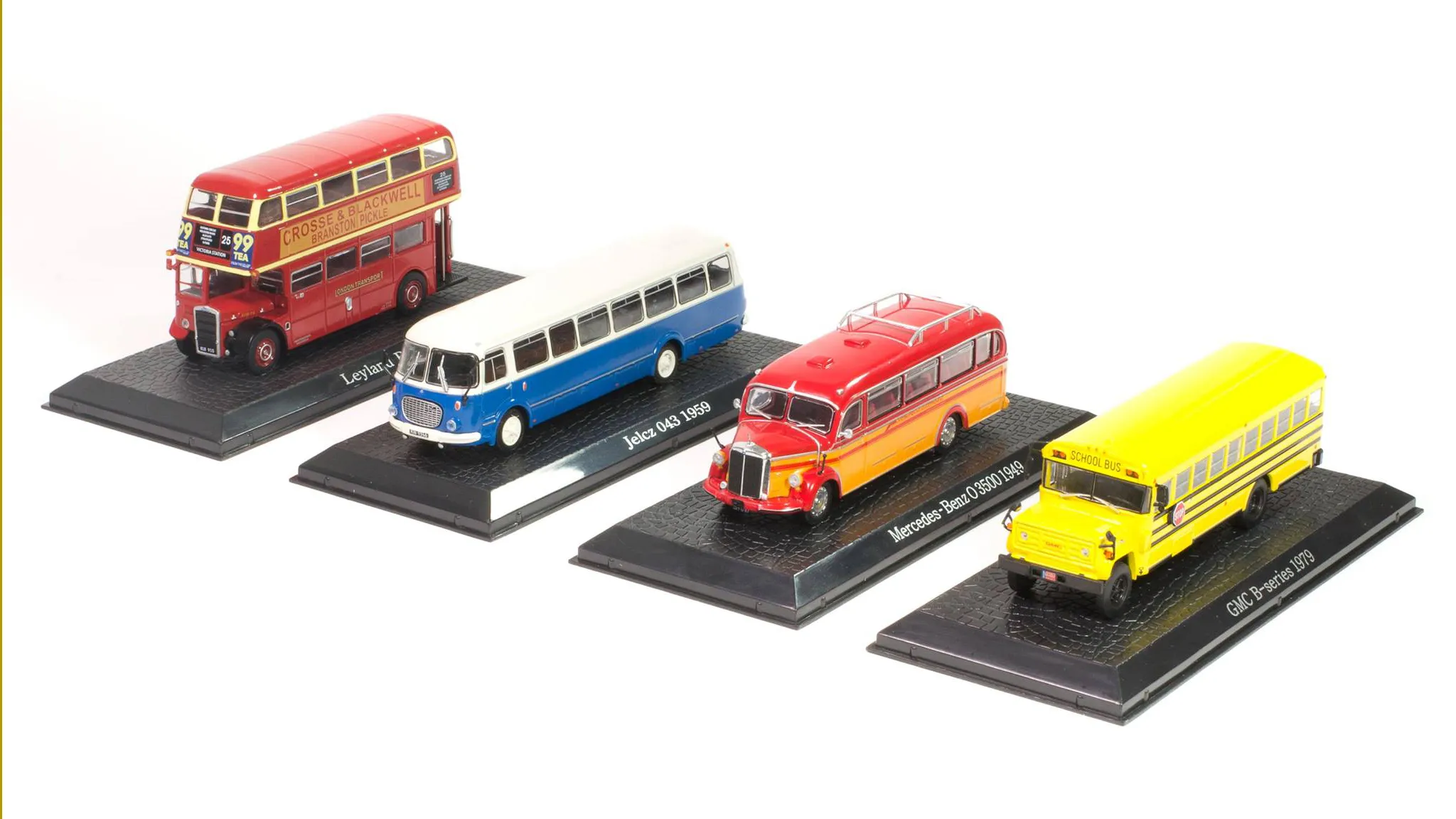
Diecast models are miniature replicas of vehicles, typically made from metal using a die-casting process. These models are popular among collectors, enthusiasts, and hobbyists. They offer a detailed and tangible way to appreciate the design, history, and engineering of real-world vehicles. The appeal of diecast models lies in their accuracy, durability, and the vast range of vehicles represented, from classic cars and trucks to modern aircraft and motorcycles. The die-casting process involves injecting molten metal, usually zinc alloy, into molds to create detailed components that are then assembled and painted to replicate the original vehicle.
History and Evolution of Diecast Models
The history of diecast models is a fascinating journey that mirrors the evolution of toy manufacturing and collecting. From their humble beginnings as simple toys, diecast models have evolved into highly detailed collectibles. The earliest diecast models emerged in the early 20th century, with companies like Dinky Toys and Corgi leading the way. These early models were primarily made for children, but their increasing detail and realism gradually attracted adult collectors. Over time, improvements in manufacturing processes, including more sophisticated die-casting techniques and advancements in paint and detailing, have led to an explosion in quality and variety.
Early Diecast Models

Early diecast models were often simple and robust, designed to withstand the rough play of children. The focus was on durability and basic representation of the vehicle’s shape and function. Companies like Dinky Toys and Matchbox were pioneers in this field, producing models that were both affordable and appealing to young consumers. These early models, though less detailed than modern counterparts, laid the foundation for the diecast model industry, establishing the concept of miniature vehicle replicas and sparking early collecting trends. These models were often made of zinc alloy and had relatively simple paint jobs.
Modern Diecast Production
Modern diecast production utilizes advanced technologies to achieve incredible levels of detail and realism. Today’s manufacturers use precision die-casting techniques, high-quality materials, and sophisticated paint applications to create models that are almost indistinguishable from their full-size counterparts. CAD/CAM software is used to design intricate molds, and automated assembly lines ensure consistent quality. Furthermore, the use of tampo printing and pad printing techniques allows for precise application of markings and logos. Modern models often include realistic interiors, opening doors, and detailed engine compartments, making them highly sought after by collectors.
Factors to Consider Before Buying Diecast Models
Choosing the right diecast model requires careful consideration of several factors. Understanding these elements will help you make informed decisions and build a collection that you’ll truly enjoy. From scale and size to build quality and brand reputation, each aspect plays a crucial role in determining the value, aesthetic appeal, and overall satisfaction of your model.
Scale and Size

Scale is a critical factor in diecast model collecting, as it determines the size and proportion of the model relative to the original vehicle. Common scales include 1:18, 1:24, 1:43, and 1:64. Larger scales (like 1:18) offer more detail and allow for more intricate features, but they also require more display space. Smaller scales (like 1:64) are more compact and affordable, making them ideal for those with limited space or budget. Choosing a scale often depends on personal preference, available space, and the type of vehicle you’re interested in collecting. Consider how the models will fit into your display area when selecting a scale.
Material and Build Quality
The material and build quality of a diecast model directly impact its durability, appearance, and overall value. High-quality models are typically made from a zinc alloy, which provides a good balance of strength and detail. The build quality refers to the precision of the assembly, the fit of the parts, and the overall finish. Look for models with clean lines, accurate panel gaps, and smooth paint finishes. Well-built models often feature moving parts, such as opening doors, hoods, and trunks, which adds to their appeal and play value. Examine the model carefully for any imperfections or defects before making a purchase.
Level of Detail
The level of detail is a key factor that separates high-quality diecast models from simpler, less expensive ones. Premium models feature intricate detailing, including accurate interiors, engine compartments, and undercarriages. Look for detailed dashboards, seats, and steering wheels, as well as realistic engine components and exhaust systems. The paint finish, including the application of decals and logos, should be flawless. The more detailed the model, the more authentic and valuable it will be. Pay attention to the accuracy of the model’s features compared to the real vehicle.
Brand and Manufacturer Reputation

The brand and manufacturer reputation can be a reliable indicator of a model’s quality and value. Certain brands are known for producing high-quality, highly detailed models, while others may offer more affordable, less detailed options. Researching the brand’s reputation, reading reviews from other collectors, and comparing different brands can help you make an informed decision. Some popular brands include Autoart, Minichamps, Kyosho, and Hot Wheels (for the higher-end lines). Consider the brand’s track record and its commitment to producing accurate and well-crafted models.
Types of Diecast Models
Diecast models encompass a wide variety of vehicle types, catering to diverse interests and collecting preferences. The most common types include cars, trucks, airplanes, and motorcycles, each with unique characteristics and appeal.
Cars
Car diecast models are the most popular and diverse category, featuring everything from classic vintage vehicles to modern sports cars and luxury sedans. Collectors often focus on specific makes and models, years, or styles. These models showcase a remarkable level of detail, including realistic interiors, working doors, and detailed engine compartments. The variety of cars available is vast, offering collectors a wide range of choices and opportunities to build comprehensive collections.
Trucks

Truck diecast models include a range of vehicles, such as semi-trucks, pickup trucks, and delivery trucks. These models often emphasize the details of the truck’s cab, trailer, and cargo, reflecting the diverse applications of real-world trucks. The scale models of trucks provide detailed representations of these workhorses, appealing to collectors with an interest in commercial vehicles and transportation. Detailed features can include realistic wheels, lights, and cargo details.
Airplanes
Airplane diecast models offer a fascinating way to appreciate the design and engineering of aircraft. These models range from vintage propeller planes to modern jetliners and military aircraft. Collectors can focus on specific airlines, aircraft types, or historical periods. The level of detail in airplane models can be impressive, including detailed cockpits, landing gear, and accurate paint schemes. These models are often displayed by aviation enthusiasts and collectors who appreciate the history and technology of flight.
Motorcycles
Motorcycle diecast models capture the sleek designs and intricate details of various motorcycles. These models often include detailed engines, suspension systems, and accurately replicated bodywork. Collectors of motorcycle diecast models enjoy the challenge of finding rare models and building a collection of iconic bikes from different eras. The scale of these models typically allows for detailed features to be included, making them highly collectible.
How to Evaluate Diecast Model Quality

Evaluating the quality of a diecast model is crucial for making informed buying decisions. Several factors contribute to the overall quality, including paint and finish, accuracy of details, and the functionality of moving parts. By carefully assessing these aspects, you can ensure you are purchasing models that meet your standards and are worthy additions to your collection.
Paint and Finish
The paint and finish of a diecast model are essential indicators of its quality. Look for a smooth, even paint application without blemishes, bubbles, or runs. The color should be accurate to the real vehicle, and the finish should be consistent across the entire model. High-quality models often feature multiple layers of paint and clear coats to provide depth and shine. The application of decals and markings should be precise, with no misalignment or imperfections. Examine the paint under good lighting to identify any flaws.
Accuracy of Details
The accuracy of the details is a hallmark of a high-quality diecast model. This includes everything from the shape and proportions of the vehicle to the intricate details of the interior and engine compartment. Examine the model’s features, such as headlights, taillights, grilles, and emblems, to ensure they are accurately represented. The interior should feature detailed seats, dashboards, and steering wheels. The engine compartment should include accurately rendered components, such as the engine block, belts, and hoses. Compare the model to photographs of the real vehicle to assess its accuracy.
Moving Parts and Features

The functionality of moving parts can significantly enhance the overall appeal and value of a diecast model. High-quality models often feature opening doors, hoods, trunks, and sometimes even working steering and suspension. Ensure that the moving parts operate smoothly and fit properly. Check for any loose or misaligned components. The more features a model includes, the more realistic and engaging it becomes. Test the moving parts to ensure they function correctly and that the model is well-constructed.
Tips for Buying Diecast Models
Before you start your diecast model collecting journey, it’s important to establish a strategy. Researching, comparing, and setting a budget are crucial steps in building a fulfilling and cost-effective collection.
Research and Compare
Extensive research is essential when buying diecast models. Investigate the different brands, scales, and types of models available. Read reviews from other collectors, compare prices, and examine the details of the models you are interested in. Online forums, collector communities, and specialized websites are excellent resources for information. Understanding the market and the various options will help you make informed decisions and avoid potential pitfalls.
Set a Budget
Setting a budget is a vital aspect of diecast model collecting. Determine how much you’re willing to spend on each model and stick to your budget. Prices can vary significantly depending on the brand, scale, detail, and rarity of the model. Establish spending limits to prevent overspending and ensure you can continue to build your collection without financial strain. It’s also advisable to factor in the cost of display cases, storage, and any accessories you may need.
Check Reviews
Before purchasing a diecast model, it’s crucial to check reviews from other collectors. Reviews provide valuable insights into the model’s quality, accuracy, and overall value. Online retailers and collector forums often feature reviews from other buyers. Pay attention to comments about the model’s details, build quality, and any potential issues. Reading reviews will help you make an informed decision and avoid purchasing models with known problems. This step can save you time, money, and disappointment.
Where to Buy Diecast Models
Diecast models can be found through various channels, each offering unique advantages and considerations.
Online Retailers
Online retailers offer a wide selection of diecast models, often at competitive prices. Popular online platforms like Amazon, eBay, and dedicated model websites provide a convenient way to browse and purchase models from various brands. Online retailers often offer detailed product descriptions, customer reviews, and images, allowing you to assess the model before purchasing. However, be mindful of shipping costs and return policies. Always check the seller’s reputation and ensure they offer secure payment options.
Specialty Shops and Dealers
Specialty shops and dealers provide a more personalized shopping experience and are a good place to get expert advice. These shops often have a curated selection of models, including rare or hard-to-find items. The staff can provide valuable insights into the models, offer advice, and help you find specific items. Visiting specialty shops allows you to examine the models in person, assess their quality, and build a relationship with a knowledgeable dealer.
Auctions and Collector Events
Auctions and collector events offer unique opportunities to find rare, vintage, and highly collectible diecast models. These events provide a chance to acquire models that are not readily available through other channels. Auctions can be a good place to find a good deal. Attending collector events allows you to connect with other enthusiasts, share your passion, and expand your collection. Research the event, preview the available models, and set a budget before participating in auctions.
Maintaining and Displaying Diecast Models
Proper maintenance and display are essential for preserving your diecast models and showcasing your collection. These practices will help to protect your models from damage, dust, and other environmental factors, ensuring that they retain their value and appeal over time.
Cleaning and Care
Regular cleaning is crucial to maintain the appearance and value of your diecast models. Use a soft, dry cloth to gently wipe away dust and debris. Avoid using harsh chemicals or abrasive cleaners, as they can damage the paint and finish. For more stubborn dirt, you can use a slightly damp cloth or a specialized model cleaner. Handle your models with care, and avoid touching them unnecessarily to prevent fingerprints. Store your models in a clean, dry environment, away from direct sunlight and extreme temperatures.
Display Options
Choosing the right display options will showcase your collection beautifully and protect your models. Display cases offer excellent protection from dust, dirt, and accidental damage. Consider using shelves, display cabinets, or custom-built display areas to organize and showcase your models. Ensure that your display area is well-lit and that the models are easily accessible for viewing. Arrange your models in a way that is visually appealing and highlights their unique features. Rotate your display occasionally to keep your collection fresh and engaging.
In conclusion, choosing the right diecast model involves understanding the different types, evaluating quality, and making informed purchasing decisions. Whether you’re a seasoned collector or a beginner, this guide provides the essential knowledge and tips needed to build a collection you’ll be proud of. Remember to research, compare, and take care of your models, and your diecast model journey will be a rewarding experience.