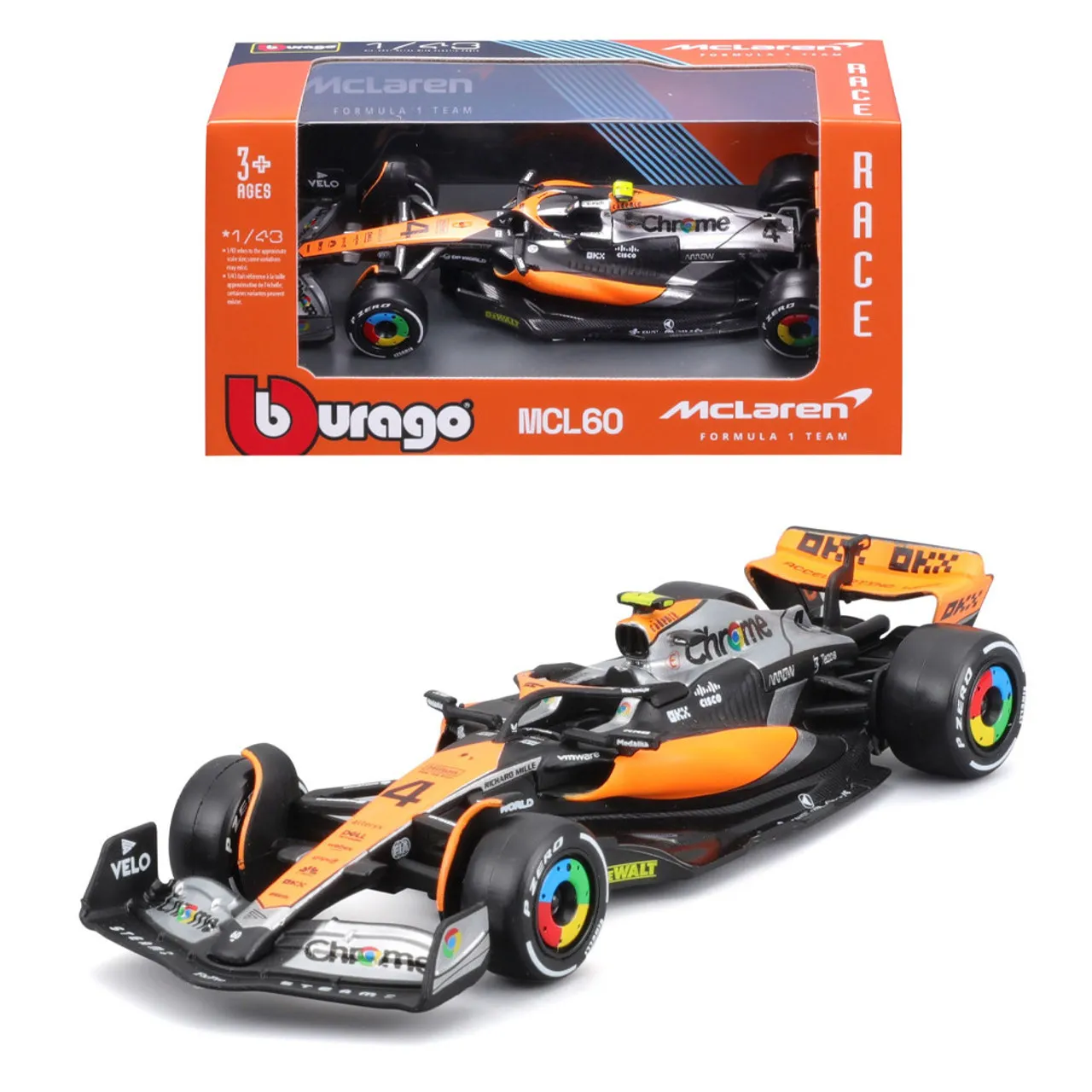
What are Large Scale Diecast Model Cars
Large scale diecast model cars are highly detailed miniature replicas of real-life vehicles, meticulously crafted from metal and other materials. These models are prized by collectors and enthusiasts for their accuracy, quality, and the level of detail they offer. Unlike simple toy cars, these models are designed to replicate every aspect of the original vehicle, from the body shape and paint job to the interior details and engine components. The term “large scale” refers to the size of the model relative to the real car, with specific scales offering different levels of detail and collectibility. These models are not just toys, they are miniature works of art designed to capture the essence of automotive history.
Scale Matters
The scale of a diecast model car determines its size relative to the original vehicle, directly impacting the level of detail and the overall collecting experience. Different scales offer distinct advantages, with larger scales often providing more intricate details and a greater presence on display. The scale is represented as a ratio, such as 1:18, which means the model is 1/18th the size of the real car. The choice of scale is a personal preference, influenced by factors such as available space, desired level of detail, and the type of cars you want to collect. Choosing the right scale is a crucial first step for any collector of these miniature marvels.
Common Scales for Diecast Cars

Several scales dominate the diecast model car market, each with its own following. 1:18 scale is a very popular choice, as it offers a good balance between size and detail, making it perfect for showcasing intricate features. 1:24 scale models are slightly smaller, more affordable, and great for those with limited display space. 1:43 scale is another common option, which are often used to represent a vast collection of models without requiring too much display space. 1:12 scale models are larger and offer incredible detail, but they require significant display space and are often more expensive. These scales are just a few of the common options available to those looking to start or expand their collection.
Why Large Scale is Popular
Large scale diecast model cars, like those in 1:12 and 1:18 scales, are exceptionally popular for several reasons. The larger size allows for greater detail, enabling manufacturers to replicate intricate features like engine components, interior upholstery, and working parts with remarkable accuracy. These larger models make a striking display, becoming a focal point in any collection or room. The increased size also makes the model more tactile, allowing collectors to appreciate the craftsmanship and the materials used in their construction. Furthermore, the larger scale models offer more interactive features, such as opening doors, hoods, and working steering systems, enhancing the collector’s experience.
Details and Accuracy
The hallmark of a high-quality diecast model car is its attention to detail and accuracy. Manufacturers strive to replicate every aspect of the original vehicle, from the body shape and paint finish to the interior and engine components. This level of detail is what sets a premium diecast model apart from simpler toy cars, making them highly sought after by collectors who appreciate realism and authenticity.
Exterior Details

Exterior details are what initially capture the eye and provide the most visual impact. This includes an accurate body shape, the precise paint color, and the application of realistic graphics. High-quality models feature detailed headlights, taillights, and even tiny emblems and badges, just like the real car. The wheels and tires are carefully replicated, often including tread patterns that match the original vehicle. Doors, hoods, and trunks often open, adding to the model’s realism and allowing a closer look at its internal components.
Interior Details
Interior detailing elevates a model from a replica to a work of art. This includes replicating the dashboard, seats, steering wheel, and gear shift with impressive accuracy. The materials used in the interior, such as fabric, plastic, and sometimes even leather, are carefully selected to match the original car. Detailed gauges, buttons, and other interior elements are faithfully reproduced, providing a rich and immersive collecting experience. Collectors often look for models with visible seatbelts, carpets, and other subtle touches that enhance realism.
Engine and Chassis Details
For serious enthusiasts, the engine and chassis details are a critical aspect of a model’s appeal. High-end models feature incredibly detailed engines, including the engine block, individual cylinders, and all associated components like belts, hoses, and wiring. The chassis, which is often visible from the underside, includes realistic suspension systems, exhaust pipes, and drive shafts. Collectors appreciate models where the engine can be viewed under the hood, as well as the accurate replication of the car’s undercarriage. This level of detail showcases the manufacturer’s commitment to authenticity and craftsmanship.
Materials and Construction

The materials and construction of a diecast model car contribute significantly to its quality, durability, and overall appearance. The combination of materials and the manufacturing process determine how accurately the model represents the original car and how long it will last. The selection of high-quality materials and the application of skilled craftsmanship are essential for creating models that are both beautiful and collectible.
Diecast Metal
Diecast metal is the primary material used in the construction of diecast model cars. This involves injecting molten metal (typically zinc alloy) into a mold under high pressure. This process allows for intricate detailing and precise replication of the car’s body shape and features. Diecast metal provides a robust, heavy feel, which contributes to the model’s perceived quality and durability. The metal body is then painted and finished, adding the final touch of realism to the model.
Plastic Components
Plastic components are used extensively in diecast model cars, mainly for smaller parts and interior details. The interior, including the dashboard, seats, and other elements, is often made of high-quality plastic. Plastic components also enable intricate details like lights, grilles, and other design elements. Plastic is flexible and can be molded into complex shapes, contributing to the overall accuracy and realism of the model. The combination of diecast metal and plastic allows manufacturers to create highly detailed and aesthetically pleasing models.
Rubber Tires

Rubber tires are essential for completing the realistic look of a diecast model car. The tires’ design, including tread patterns and sidewall details, can greatly enhance the authenticity of the model. Rubber tires offer a tactile element, making the model feel more like a real car. The quality of the rubber impacts the model’s overall appearance, and many manufacturers use high-quality rubber to replicate the look and feel of the original tires, with some including brand-specific markings.
Authenticity and Licensing
Authenticity and licensing play a crucial role in the value and appeal of diecast model cars. Officially licensed models are meticulously designed with the consent of the car manufacturers, ensuring an accurate representation of the original vehicles. This not only increases the model’s realism but also appeals to collectors who appreciate precision and provenance.
Officially Licensed Models
Officially licensed diecast model cars are produced under agreements with the car manufacturers, giving them the right to use the brand’s logos, designs, and specifications. This guarantees that the model car accurately reflects the original vehicle, from its body shape and paint color to its interior details and branding. These licensed models often come with certificates of authenticity, enhancing their collectibility and value. Collectors often prioritize licensed models because of the assurance of accuracy and detail that comes with them.
Brand Recognition

Brand recognition is a critical factor in the diecast model car market. Collectors and enthusiasts often look for models from reputable manufacturers known for their quality, accuracy, and attention to detail. Brands such as Minichamps, Autoart, and Bburago have earned reputations for producing high-quality models that are highly sought after. The brand’s name acts as a sign of quality and authenticity, assuring collectors that they are getting a well-crafted and accurate replica.
Interactive Features
Interactive features in diecast model cars add to their appeal, offering a more engaging and immersive experience for collectors. These features allow enthusiasts to interact with their models, enhancing their appreciation for the craftsmanship and detail. These features distinguish diecast models from static toys and provide an added dimension to the collecting experience.
Opening Doors and Hoods
One of the most common and appealing interactive features is the ability to open doors and hoods. This allows collectors to view the interior and engine details of the model. The opening doors and hoods add a layer of realism and allow for a more intimate view of the model’s craftsmanship. Many models also feature opening trunks, providing access to the car’s storage compartment. The inclusion of these features elevates the collecting experience, allowing enthusiasts to explore the car’s design and details.
Working Steering

Working steering is another desirable feature in large scale diecast model cars. It allows collectors to turn the front wheels, mimicking the steering mechanism of a real car. The working steering adds a dynamic element, enhancing the model’s realism and playability. This feature makes the model more interactive, allowing enthusiasts to simulate driving and appreciate the mechanics of the vehicle. The working steering is a testament to the level of detail and precision in these models.
Removable Parts
Some advanced diecast models feature removable parts, such as wheels, engine covers, and even seats. These removable parts provide a closer look at the car’s internal workings and the craftsmanship involved in its construction. Collectors can examine the details of the engine, chassis, and other components. This interactive capability enhances the collecting experience by allowing for deeper exploration and appreciation of the model’s design.
Display and Collectibility
The display and collectibility of diecast model cars are central to their appeal. Properly displaying models not only preserves their condition but also showcases the collection and its value. Collecting strategies and the care taken in displaying these models can significantly influence their long-term value and the satisfaction derived from the hobby.
Display Cases
Display cases are essential for showcasing and protecting diecast model cars. They provide a dust-free environment and prevent damage, preserving the model’s condition and value. Display cases come in various sizes and styles, from individual cases to larger cabinets that can house extensive collections. Choosing the right display case is essential for maximizing the visual appeal of the collection and protecting the models from environmental factors, such as sunlight and humidity.
Collecting Strategies
Developing a collecting strategy can enhance the enjoyment and value of the hobby. Some collectors focus on specific brands, scales, or types of cars, such as classic cars, sports cars, or race cars. Others choose to collect limited edition models or those with specific features. Researching and learning about the models, their history, and their value can enrich the collecting experience. Maintaining detailed records of the collection, including purchase dates, prices, and conditions, helps manage and track the investment. Effective collecting strategies also involve acquiring models in good condition, storing them properly, and protecting them from damage.
Value and Investment Potential
Diecast model cars can be a worthwhile investment, with some models appreciating in value over time. However, the value of a diecast model car depends on several factors, including its rarity, condition, and demand in the collector’s market. Understanding these factors is crucial for making informed decisions about which models to collect and how to maintain their value.
Factors Affecting Value
Several factors influence the value of diecast model cars. Rarity, whether it’s a limited edition or a model with a limited production run, is a primary factor. The model’s condition plays a significant role, with models in pristine condition fetching higher prices. Models with original packaging, certificates of authenticity, and those that have been well-maintained are generally more valuable. The demand in the collector’s market, which is influenced by the popularity of the car model, the manufacturer, and the model’s historical significance, also impacts value. Models from renowned brands like Bburago and Autoart, with high levels of detail and accuracy, are also highly valued.
Limited Editions
Limited edition diecast model cars are particularly sought after by collectors. These models are produced in limited quantities, making them more exclusive and rare. The scarcity increases their value and collectibility. Limited editions often feature unique details, such as special paint schemes, upgraded interior features, or commemorative markings. Limited edition models are typically released to celebrate anniversaries, significant events, or collaborations with famous designers, increasing their appeal to collectors.
Where to Buy
Diecast model cars are available through various channels, each offering unique advantages. Knowing where to find these models can influence both the collecting experience and the prices paid. Whether seeking a specific model or simply browsing, understanding the different retail options is essential for any enthusiast.
Online Retailers
Online retailers offer a vast selection of diecast model cars, often at competitive prices. Websites like Amazon, eBay, and specialized online stores offer a wide variety of models, from common releases to rare collectibles. Online retailers allow you to compare prices, read reviews, and often find models at discounted prices. The convenience of online shopping, coupled with the extensive selection, makes it a popular choice for collectors, offering a wide range of choices and easy access to models from around the world.
Specialty Shops
Specialty shops dedicated to diecast model cars provide a more personal and curated shopping experience. These shops often have expert staff who can offer advice, assistance, and insights on various models. They provide opportunities to examine the models up close, and often have a wider selection of rare and limited-edition models. The personalized service and the opportunity to interact with other collectors make specialty shops a preferred option for many enthusiasts. You can physically see the models, ask questions, and potentially find models not readily available online.
Conclusion
Large scale diecast model cars represent a fascinating blend of art, engineering, and history. Their meticulous details, interactive features, and collectibility make them a captivating hobby for enthusiasts of all ages. From the selection of scale and the appreciation of detail to the understanding of value and investment potential, diving into the world of diecast cars offers both enjoyment and the chance to connect with a vibrant community of collectors. Whether you are a seasoned collector or a newcomer, the world of diecast model cars has something to offer to everyone.