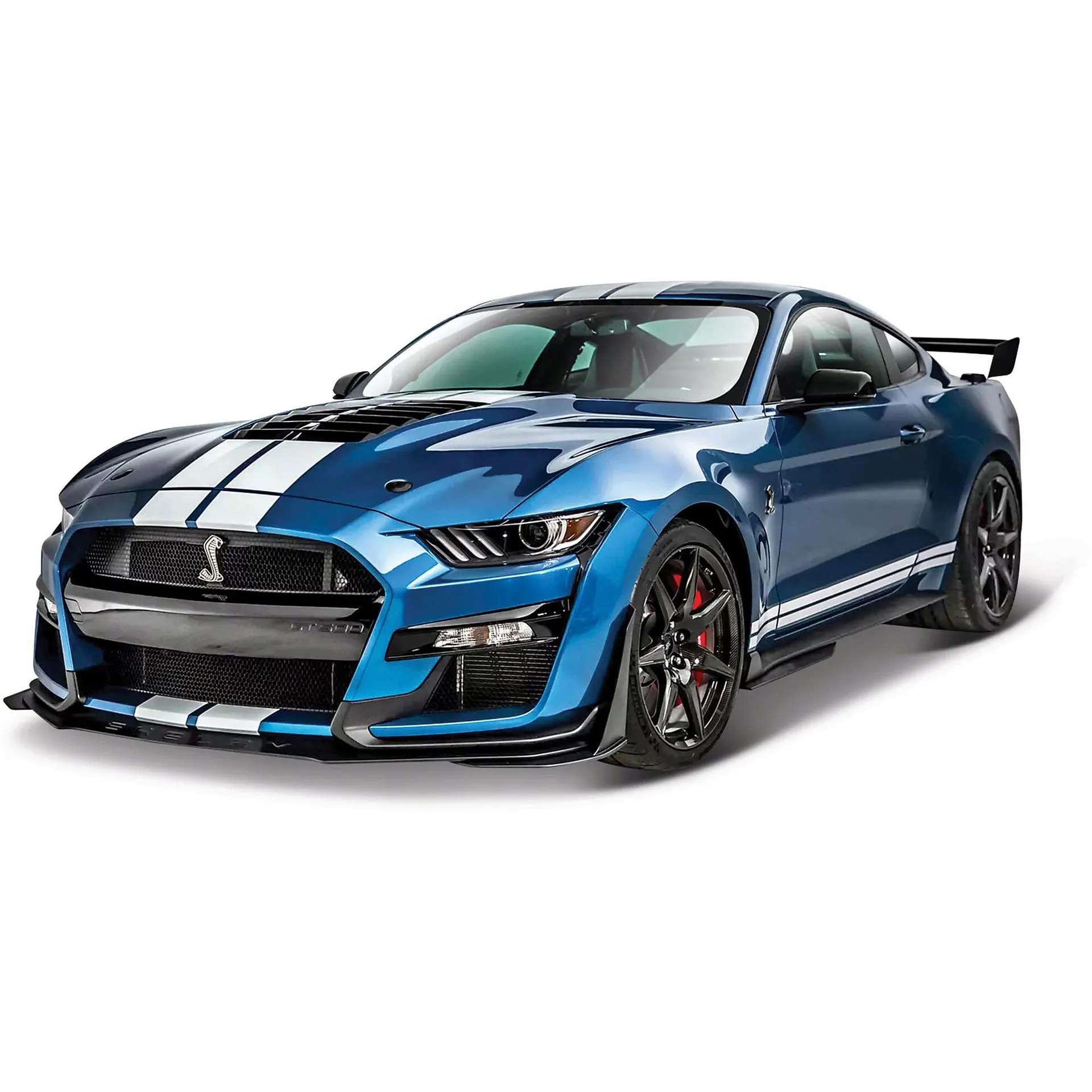
Diecast model cars represent a fascinating intersection of artistry, engineering, and history, captivating enthusiasts for generations. Whether you’re a seasoned collector or a newcomer eager to start your journey, navigating the world of diecast models can seem daunting. This comprehensive guide offers seven essential tips to empower you as a savvy buyer, ensuring you make informed decisions and build a collection that brings you joy and potentially appreciates in value. From understanding the fundamental aspects of diecast models to identifying reputable sellers and maintaining your prized possessions, this guide equips you with the knowledge to confidently explore the exciting world of diecast model cars.
Understanding Diecast Model Cars
Before diving into the buying process, it’s crucial to grasp the fundamentals of diecast model cars. These miniature replicas are typically crafted using a die-casting process, where molten metal, usually zinc alloy, is injected into molds to create detailed car bodies. Understanding the various aspects that influence the quality and value of a diecast model is essential for any buyer. This foundational knowledge allows you to make informed decisions, spot potential issues, and appreciate the craftsmanship that goes into each piece. The more you know, the better equipped you’ll be to find models that resonate with your interests and meet your expectations.
Materials and Construction
The materials used in a diecast model significantly impact its durability, detail, and overall aesthetic appeal. As mentioned, the primary material is typically a zinc alloy, providing the weight and strength needed for a realistic feel. However, the quality of this alloy and the methods used in its processing can vary widely. High-quality models often incorporate other materials such as plastic for interior components and tires, rubber for tires, and sometimes even metal for finer details. Inspecting the construction for imperfections like gaps, uneven surfaces, or poorly attached parts can help you assess the model’s quality. Pay attention to how different materials are integrated, as this impacts the model’s longevity and value.
Scale and Size Matters

Diecast model cars come in various scales, with the most common being 1:18, 1:24, 1:43, and 1:64. The scale refers to the ratio between the model’s size and the actual car’s size. For example, a 1:18 scale model is 1/18th the size of the real car. The scale you choose is a matter of personal preference, considering factors like display space, desired level of detail, and budget. Larger scales, like 1:18, offer more intricate detailing but require more space and often come at a higher price point. Smaller scales are more compact and affordable, making them ideal for those with limited display areas or those just starting their collection. Consider the scale that best aligns with your collecting goals and available space.
Authenticity and Detailing
The accuracy of detailing is a key factor that separates high-quality diecast models from less expensive ones. Authentic models accurately replicate the real-life vehicle’s features, including the body shape, paint color, interior design, and even engine components. Look for details like realistic headlights and taillights, detailed dashboards, and accurate badging. Some models feature opening doors, hoods, and trunks, allowing you to examine the intricate engine and interior details. The presence of these features often indicates a higher level of craftsmanship and a greater degree of authenticity. Researching the actual car model beforehand can help you verify the accuracy of the diecast replica.
Identifying Reputable Sellers
The reliability of the seller is as important as the model itself. Buying from reputable sources ensures you receive authentic products, fair pricing, and reliable customer service. Researching sellers before making a purchase is crucial to avoiding scams or low-quality merchandise. There are a few key areas to consider when evaluating a seller. This will help you find the best models for the best prices.
Online Marketplaces

Online marketplaces like eBay and Amazon offer a vast selection of diecast models. However, they also come with risks. Always check the seller’s rating and feedback history to gauge their trustworthiness. Read reviews carefully to identify potential issues, such as product authenticity or shipping problems. Verify the seller’s return policy and ensure it aligns with your expectations. Look for sellers with detailed product descriptions and high-quality photos. Be cautious of listings that seem too good to be true, as these could be fraudulent.
Specialized Diecast Retailers
Specialized diecast retailers, both online and brick-and-mortar stores, often provide a higher level of service and expertise. These retailers typically specialize in diecast models, allowing them to offer a curated selection and in-depth product knowledge. They often provide detailed product descriptions, high-quality photos, and exceptional customer service. Many retailers also offer a satisfaction guarantee or a straightforward return policy, providing you with peace of mind. Buying from a specialized retailer can also offer the benefit of expert advice, helping you make informed decisions and find models that match your specific interests.
Checking Reviews and Ratings
Before purchasing from any seller, always check reviews and ratings. These provide valuable insights into the seller’s reputation and the quality of their products. Look for patterns in the reviews, noting any recurring issues such as slow shipping, damaged products, or misrepresentation of the item’s condition. Platforms like Google Reviews, Trustpilot, and dedicated collecting forums can provide reliable feedback. A seller with consistently positive reviews is more likely to offer a satisfactory buying experience. Also, check the seller’s return and refund policies to ensure you’re protected in case of issues.
Budgeting and Pricing

Setting a realistic budget is vital to avoid overspending and maintain control of your collection. Diecast model prices can vary significantly depending on the scale, brand, detailing, and rarity. Defining a budget beforehand helps you focus your search and prevent impulse purchases. Take time to research the average prices for the models you’re interested in. This knowledge will help you assess whether the price of a particular model is fair. Also, factor in potential expenses like shipping costs, import duties, and the cost of display cases.
Setting a Budget
Determine how much you’re willing to spend on each model or on your collection overall. Consider your income, other financial obligations, and the frequency of your purchases. Start small and gradually increase your budget as your knowledge and interest in the hobby grow. When starting your budget, also consider the prices of accessories, like display cases. Set a spending limit per model, making sure to factor in shipping costs and taxes.
Comparing Prices
Compare prices from different sellers before making a purchase. Prices can vary significantly, even for the same model. Use online price comparison tools and search across multiple marketplaces to find the best deals. Factor in shipping costs, import duties, and any associated fees when comparing prices. Be wary of prices that seem significantly lower than the average, as they may indicate a counterfeit product or a seller with questionable practices. Look for sales, discounts, and promotions to save money.
What to Look for in a Diecast Model

Beyond the basics of scale and seller reputation, several key factors distinguish a great diecast model from an average one. These details are what truly bring the model to life and make it a worthwhile addition to any collection. Taking the time to assess these features will ensure your money is well-spent, and the model will be something you’ll cherish.
Paint Quality and Finish
The paint quality and finish are critical to the overall appearance of a diecast model. High-quality models feature a smooth, even paint application without any blemishes or imperfections. The paint should accurately replicate the original car’s color and finish, whether it’s glossy, matte, or metallic. Look closely for any runs, drips, or inconsistencies in the paint. The paint finish should also be durable and resistant to chipping or fading over time. Models with superior paint jobs are often more desirable and valuable.
Moving Parts and Features
Many diecast models feature moving parts such as opening doors, hoods, trunks, and even working steering and suspension. These features add to the model’s realism and playability. Check that these moving parts operate smoothly and fit properly. Opening doors and hoods should align correctly and close securely. Working steering and suspension can enhance the model’s collectability and add to its value. A model with functional features is often more desirable than one without.
Packaging and Condition

The packaging and condition of the model are also essential considerations, especially for collectors. Original packaging helps protect the model from damage and can increase its value. The box should be in good condition, free from significant damage or wear. Check the model itself for any signs of damage, such as scratches, dents, or missing parts. Pay close attention to how the model is stored, handled, and packaged, as these factors influence the long-term value and enjoyment of your collection. A model in its original packaging and pristine condition is typically worth more.
Care and Maintenance
Proper care and maintenance are essential to preserve the condition and value of your diecast model cars. Regular cleaning, appropriate storage, and careful handling can prevent damage and extend the lifespan of your collection. These measures will ensure that your models remain in top condition for years to come. Proper care not only keeps your models looking their best, but also protects their value as collectibles.
Proper Storage
Store your diecast models in a cool, dry place away from direct sunlight and extreme temperatures. Sunlight can fade the paint and damage the interior. Humidity can lead to rust and corrosion. A display case or cabinet is ideal for protecting your models from dust and accidental damage. If you don’t have a display case, consider storing the models in their original boxes. Ensure the storage area has good air circulation to prevent the buildup of moisture and pollutants. Avoid stacking models on top of each other, as this can cause scratches.
Cleaning Techniques

Regularly clean your diecast models to remove dust and grime. Use a soft, lint-free cloth to gently wipe the surface. Avoid using harsh chemicals or abrasive cleaners, as they can damage the paint. For detailed cleaning, you can use a cotton swab dipped in a mild solution of soap and water. Be extremely cautious when cleaning the delicate parts of the model. Avoid using excessive amounts of water and dry the model thoroughly after cleaning. Consider using a soft brush to remove dust from hard-to-reach areas.
Displaying Your Collection
How you display your collection can greatly influence its aesthetic appeal and protect your investment. Consider different display options to showcase your models in the best possible light. There are many options for display, from simple shelves to elaborate display cases.
Choose a display method that suits your available space and the size of your collection. Ensure the display area is well-lit and allows you to easily view and appreciate each model. Consider using a display case to protect your models from dust and damage. Arrange your models thematically, by manufacturer, or by scale to create a visually appealing display. Rotate your display periodically to keep things fresh and exciting. This is a great way to keep your collection enjoyable and share it with others.
Maximizing Your Investment
Beyond the joy of collecting, diecast models can also be a good investment. Several factors influence the value of a model. Keeping these in mind can help you build a valuable collection. Understanding these factors will allow you to build a collection that you enjoy and is a worthwhile investment.
Knowing the Value
Research the value of your models. The value of a diecast model is determined by several factors, including its rarity, condition, manufacturer, and historical significance. The original packaging adds value, especially if it’s in excellent condition. Use online resources such as collector guides, auction results, and price databases to assess the value of your models. Keep records of your purchases and any appraisals to track the value of your collection over time. Regularly monitor market trends and adapt your collecting strategy to maximize the value of your investment.
Identifying Rarity
Rarity is a key determinant of value in the diecast model world. Limited-edition models or those produced in small quantities are usually more valuable. Models that are no longer in production or are difficult to find are also often more valuable. Certain manufacturers, such as those with a reputation for high quality or historical significance, will make a model more valuable. Check the model’s production run and collectability by checking online databases and collector communities. The value of a diecast model can also be greatly affected by its provenance, such as if it was owned by a celebrity or used in a film.
Building Your Collection
Building a diecast model car collection can be a deeply rewarding experience. By following the tips outlined in this guide, you can confidently navigate the world of diecast models, make informed purchasing decisions, and build a collection you’ll be proud to display. Remember, the most important thing is to enjoy the process. With careful planning, patience, and a passion for the hobby, you can create a collection that reflects your interests and brings you lasting pleasure. Happy collecting!