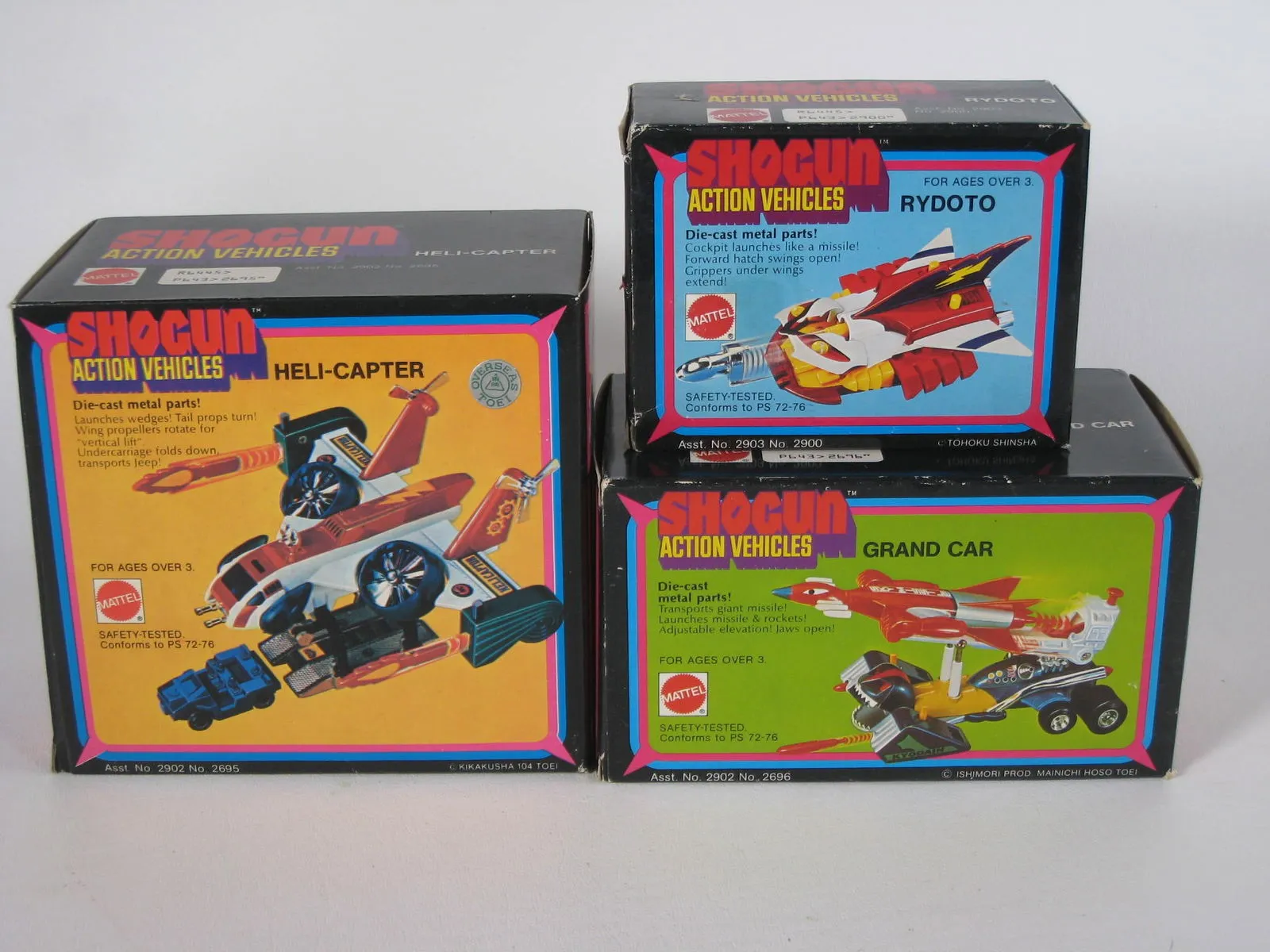
What are Diecast Metal Shogun Warriors
Diecast metal Shogun Warriors represent a nostalgic era of collectible toys, captivating enthusiasts with their impressive size, detailed design, and durable construction. These figures, primarily produced in the late 1970s and early 1980s, were a significant part of many childhoods. They combined the appeal of Japanese mecha designs with robust diecast metal components, making them stand out from other toys of the time. The blend of quality materials, unique aesthetics, and the cultural impact of the underlying anime and manga fueled their enduring popularity. Owning a diecast Shogun Warrior is more than just possessing a toy it’s holding a piece of history, a tangible connection to a generation’s fascination with giant robots and heroic adventures. The weight, the feel, and the visual presence of these figures evoke a sense of quality and nostalgia that continues to attract collectors worldwide.
The Origins of Shogun Warriors
The Shogun Warriors line was a strategic move by Mattel to capitalize on the rising popularity of Japanese anime and manga, specifically the giant robot genre (mecha). These toys were adapted from various Japanese robot series, including Great Mazinger, Gaiking, and Raydeen, among others. Mattel secured the licensing rights and repackaged these Japanese toys for the Western market, renaming them ‘Shogun Warriors’. This move was a huge success, tapping into the growing interest in these types of characters and stories, as television shows like Star Blazers began gaining popularity in the West. The appeal was in the unique combination of powerful designs, exciting action features like firing fists and missiles, and the overall sense of adventure and heroic narratives that resonated with children of that era. The strategic marketing and the cool designs helped make the Shogun Warriors a cultural phenomenon.
The Manufacturer

While the Shogun Warriors brand was marketed by Mattel in the United States, the toys themselves were primarily manufactured by various Japanese companies, with Popy, a subsidiary of Bandai, being a prominent producer. Popy, known for its expertise in diecast metal toy production, ensured that the Shogun Warriors maintained high-quality standards. The manufacturing process involved intricate metal casting, precision detailing, and the incorporation of various moving parts and action features. This collaboration between Mattel and the Japanese manufacturers was a perfect match, with Mattel handling the marketing and distribution, and the Japanese companies providing the manufacturing expertise and quality control. This partnership not only made the toys desirable but also contributed to their durability, allowing them to withstand the rigors of playtime and age gracefully, thus contributing to their collectibility.
Why Diecast Metal?
The choice of diecast metal was central to the appeal and durability of the Shogun Warriors. Diecast metal, typically zinc alloy, offered several advantages over plastic toys, which were more common at the time. The primary benefit was its superior weight and heft, which gave the figures a substantial feel and added to the impression of quality. The diecast metal also provided excellent durability, making the toys more resistant to breakage during play. This ensured the figures would last longer, contributing to their value and collectibility. The use of metal allowed for intricate details and a high level of finish, enhancing their visual appeal. The combination of durability, quality, and visual aesthetics made diecast metal Shogun Warriors a premium product in the toy market, setting them apart from their plastic counterparts and creating a lasting legacy.
Top 5 Facts about Diecast Metal Shogun Warriors
Fact 1 The Metal

The extensive use of diecast metal in the Shogun Warriors is one of the most defining features. This metal construction gave these toys a unique feel, making them heavier and more durable than many other toys of the era. The metal was not only used for the main body parts but often for crucial components like joints and weapons, increasing their robustness and longevity. The weight also added to the play experience, giving them a sense of solidity and value. This emphasis on quality materials set the Shogun Warriors apart and contributed to their long-term appeal among collectors. The choice of metal influenced nearly every aspect, from the overall design to the playability and ultimately, their lasting legacy.
Fact 2 Scale and Size
The Shogun Warriors were known for their imposing size, adding to their collectible value and play appeal. These figures often stood between 18 to 24 inches tall, making them significantly larger than many action figures available at the time. The large size was essential to capturing the grandeur of the giant robots they were modeled after. This impressive scale allowed for more detailed designs, the incorporation of various action features, and a strong visual impact. The size made them stand out on store shelves and in children’s collections, contributing significantly to their popularity. This large scale enhances their collectibility, and the ability to display these figures is very impactful.
Fact 3 Iconic Characters
The Shogun Warriors line featured a variety of iconic characters adapted from popular Japanese mecha anime. These included figures such as Dragun, Raydeen, and Great Mazinger, each with its distinctive design and arsenal. These characters were not just toys, they were representations of exciting stories and memorable heroes. The familiarity with their anime origins made these toys instantly appealing to children. These characters often came with various action features, like firing fists, missiles, and other accessories, which enhanced the play experience. The popularity of these characters fueled the demand and collectibility. Each figure represented a unique personality and set of abilities, adding to the overall appeal and expanding the world of Shogun Warriors.
Fact 4 The Collectibility

The Shogun Warriors have a significant collectible value, thanks to their rarity, historical significance, and design. Mint-condition figures, especially those with original packaging, can fetch high prices. The rarity of some figures, coupled with the nostalgia they evoke, drives up their value in the collector’s market. There’s a thriving community of collectors who seek to acquire rare and complete sets, helping to preserve the legacy. The collectibility is also influenced by the original source material and the cultural impact. The overall collectibility is enhanced by the quality of the materials used, the size, and the rarity of certain editions. This high demand makes them a great investment for toy collectors.
Fact 5 The Price
The price of Diecast Metal Shogun Warriors varies widely based on factors like condition, rarity, and packaging. Complete figures in excellent condition, with their original boxes and accessories, command the highest prices. Rare variations, such as those with specific paint schemes or exclusive accessories, also tend to be more valuable. Some figures are more highly sought after due to their popularity and rarity, driving up their market value. Prices can range from a few hundred dollars for a good condition figure to thousands for the rarest pieces. The investment potential is attractive, with prices trending upwards, reflecting the enduring popularity of these toys. When investing, it is important to assess the condition, rarity, and market demand.
Collecting Tips for Shogun Warriors
Where to Find Them

Finding Diecast Metal Shogun Warriors requires a multifaceted approach. Online marketplaces such as eBay, specialized collector sites, and dedicated toy forums are excellent starting points. Local options include vintage toy stores, antique shops, and even flea markets, where you can sometimes discover hidden gems. Attending toy shows and conventions provides opportunities to meet other collectors and dealers, increasing the chances of finding rare pieces. Networking with other collectors can also lead to valuable leads and potential acquisitions. Persistence and patience are key because finding the right figures at the right price may take time. Thorough research and comparisons between sellers is very important.
How to Identify Genuine Figures
Authenticating Shogun Warriors involves several steps. First, examine the figure for its trademarks, such as the Mattel logo or the manufacturing marks from the Japanese companies. Compare the figure with images of known authentic models to assess the accuracy of details, paint applications, and overall design. Check the joints and mechanisms for original functionality and any signs of wear or tampering. Inspect the packaging for signs of authenticity, including correct logos, font styles, and manufacturing information. Pay attention to the quality of the materials used, ensuring they match the known standards of genuine Shogun Warriors. If possible, compare the figure with those known to be authentic by other collectors. Consult with experienced collectors or appraisers to verify authenticity.
Maintaining Your Collection
Proper care and maintenance are key to preserving the value and condition of your Shogun Warriors. Protect the figures from direct sunlight, extreme temperatures, and humidity to prevent fading and damage. Store them in a clean, dust-free environment, ideally away from chemicals or other materials that could cause corrosion. When cleaning, use a soft cloth and mild detergent to gently remove dust and dirt. Avoid using harsh chemicals that could damage the paint or the metal. Regularly inspect your figures for any signs of wear or damage and address them immediately to prevent further deterioration. If you plan to display your figures, consider using display cases to provide added protection. Proper storage and maintenance will ensure your collection retains its value and beauty.
The Legacy of Shogun Warriors

Shogun Warriors in Popular Culture
The Shogun Warriors’ impact on popular culture extends beyond the toy aisle. They represent an important era in the blending of Japanese anime and Western toy marketing. The figures’ influence can be seen in various media, including comics, animation, and video games. The appeal of giant robots and heroic narratives, as presented by the Shogun Warriors, continues to resonate with audiences. They have become a symbol of childhood nostalgia, regularly referenced in articles, documentaries, and social media content. The brand’s visual style and iconic designs continue to inspire artists and creators. This enduring influence ensures that the Shogun Warriors remain relevant in contemporary popular culture, keeping the legacy alive.
The Future of the Shogun Warriors
The future of the Shogun Warriors is bright, fueled by growing collector interest and the continuous appeal of vintage toys. More and more, there are new collectors to appreciate the figures. The value of these figures is likely to increase, which is beneficial for collectors and sellers. The legacy of Shogun Warriors also means the toys are occasionally re-released or are adapted. This trend reinforces the relevance of the Shogun Warriors, ensuring they remain a cherished piece of toy history for generations to come.