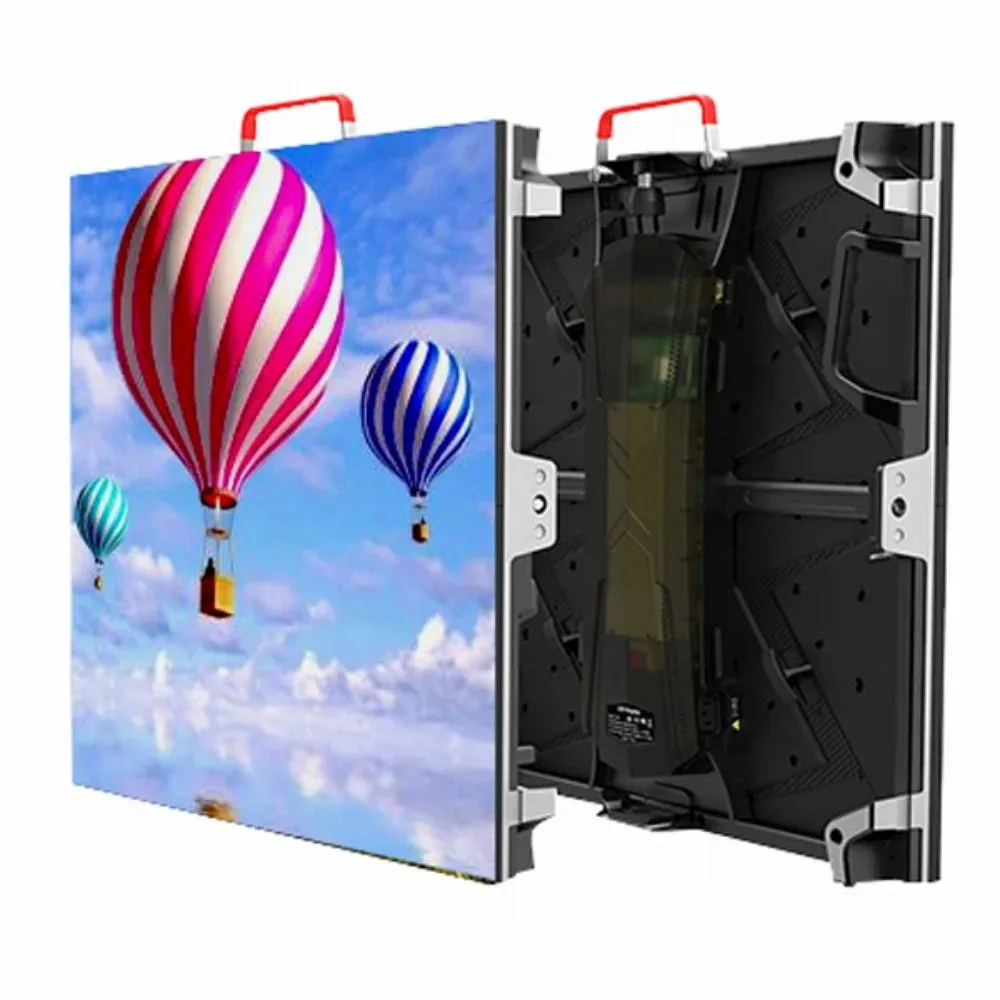
In the ever-evolving world of visual technology, diecast LED displays have emerged as a top choice for businesses and individuals seeking high-quality, durable, and visually stunning displays. These displays are used in various applications, from indoor advertising to outdoor events. This guide will provide comprehensive information on diecast LED displays, helping you navigate the market and select the best option for your needs.
Understanding Diecast LED Displays
Diecast LED displays are a type of LED display that utilizes a diecast aluminum cabinet. This construction method provides several benefits, including enhanced durability, efficient heat dissipation, and a lightweight design. They are widely used in diverse settings, including retail stores, sports arenas, and outdoor advertising, because of their ability to deliver vibrant and clear visuals.
Advantages of Diecast LED Displays
The popularity of diecast LED displays stems from their numerous advantages over traditional display technologies. These benefits make them a preferred choice for many applications, ensuring longevity and performance in various environments. Diecast LED displays offer superior performance, making them a smart investment for any business looking to enhance its visual communication capabilities.
Durability and Reliability

The diecast aluminum cabinet provides exceptional robustness, making the display resistant to physical impacts and environmental factors. This durability is crucial for both indoor and outdoor applications, as it ensures the display can withstand the rigors of constant use and various weather conditions. The sturdy build reduces the risk of damage and prolongs the display’s lifespan, providing a reliable solution for long-term use.
Enhanced Heat Dissipation
Diecast aluminum has excellent thermal conductivity, allowing the display to efficiently dissipate heat generated by the LEDs. This feature is critical for maintaining optimal performance and preventing overheating, which can shorten the lifespan of the LEDs. Efficient heat management ensures consistent brightness and color accuracy, even during prolonged use, maintaining the quality of the display over time. This is especially important in outdoor environments where temperatures can fluctuate significantly.
Lightweight and Portable Design
The diecast aluminum construction, while robust, contributes to a lightweight design, making the displays easier to handle, transport, and install. This is particularly advantageous for displays that need to be moved frequently or are used in temporary installations. The lighter weight reduces the need for heavy-duty mounting structures and simplifies the overall setup process, providing flexibility and convenience.
Choosing the Right Diecast LED Display

Selecting the right diecast LED display involves careful consideration of several factors to ensure it meets your specific requirements. The ideal display should provide the best visual experience while also being suitable for the intended environment. Understanding these factors allows you to make a more informed decision and achieve optimal performance and satisfaction from your display.
Pixel Pitch and Resolution
Pixel pitch, the distance between LED pixels, directly affects the image clarity and viewing distance. A smaller pixel pitch results in higher resolution and better image quality, especially at closer viewing distances. For indoor applications, a smaller pixel pitch is generally preferred, while outdoor displays can often utilize a larger pitch without sacrificing visual impact. The resolution, determined by the number of pixels, is also crucial; higher resolutions offer sharper, more detailed images.
Brightness and Contrast Ratio
Brightness, measured in nits or candelas per square meter, determines the display’s visibility in different lighting conditions. Outdoor displays require higher brightness levels to overcome ambient sunlight, while indoor displays can be less bright. The contrast ratio, the difference between the brightest white and the darkest black, affects the image depth and clarity. A higher contrast ratio results in more vibrant and realistic images, enhancing the overall visual experience. Choose brightness levels that match the environment to ensure optimal visibility.
Viewing Angle

The viewing angle determines how far off-axis the display can be viewed while maintaining image quality and color accuracy. Wider viewing angles are preferable, as they ensure that the display is easily visible from multiple positions. This is especially important in public spaces and areas with high foot traffic. Look for displays with wide horizontal and vertical viewing angles to maximize the audience reach and viewing experience.
Size and Dimensions
The size and dimensions of the display must be appropriate for the intended space and application. Consider the viewing distance and the content you intend to display when determining the ideal size. Measure the available space and plan the display’s dimensions accordingly to ensure it fits perfectly and maximizes visual impact. A well-proportioned display enhances the aesthetic appeal and ensures the content is easily seen.
Key Features to Consider
Besides the core specifications, several other features can enhance the functionality and user experience of diecast LED displays. These additional features can provide greater control and customization options. Considering these aspects helps you identify a display that best suits your needs and ensures it integrates smoothly with your current setup.
Installation and Setup

The ease of installation and setup is a crucial factor, particularly for temporary installations or when frequent relocation is required. Many diecast LED displays feature modular designs, making them easy to assemble and disassemble. Consider the mounting options, such as wall-mounting, hanging, or floor-standing configurations. The setup process should be straightforward, with clear instructions and readily available support resources. Ensure the display supports your preferred input methods, such as HDMI, DVI, or network connections, to accommodate your content sources.
Maintenance and Care Tips
Regular maintenance is essential to ensure the longevity and optimal performance of your diecast LED display. This includes routine cleaning, inspections, and timely repairs. Dust and debris can affect image quality and potentially damage the LEDs. Use a soft, dry cloth to clean the display surface regularly and follow the manufacturer’s guidelines for cleaning solutions. Inspect the display for any signs of damage or wear, and address any issues promptly. Adhering to a maintenance schedule helps extend the display’s lifespan and keeps it looking and performing its best.
Troubleshooting Common Issues
Even the best displays may encounter issues. Familiarizing yourself with common problems can help you quickly diagnose and resolve them. Common problems include blank screens, distorted images, or flickering. Check the power connections, input sources, and cables to ensure they are securely connected and functioning correctly. Consult the user manual or contact the manufacturer for further assistance if the problems persist. Learning basic troubleshooting skills can save you time and prevent unnecessary downtime.
Where to Buy Diecast LED Displays

Diecast LED displays are available from a wide range of suppliers, both online and offline. Consider the reputation and experience of the supplier before making a purchase. Check for certifications and warranties, which indicate the display’s quality and the manufacturer’s confidence in its product. Compare prices and features across different suppliers to find the best value for your money. Local suppliers may provide better support and service, while online retailers offer greater selection and convenience. Make sure to read customer reviews to learn about other buyers’ experiences with the products.
In conclusion, choosing the best diecast LED display involves a thorough understanding of your needs and the features that will best address them. By carefully considering the factors discussed in this guide, you can confidently select a display that enhances your visual communication strategy. With the right display, you can create a powerful impact and effectively communicate your message in any setting.