Top 7 Features of Diecast Cars
Diecast cars have captured the hearts of collectors and enthusiasts for decades. These miniature marvels offer a unique blend of artistry, engineering, and nostalgia. But what makes a diecast car truly special? This article dives into the top 7 features that define these miniature masterpieces, helping you appreciate the craftsmanship and attention to detail that goes into each model. Whether you’re a seasoned collector or a curious newcomer, understanding these features will enhance your appreciation for the world of diecast and drives. Each aspect contributes to the overall value and appeal of these collectible items.
Scale and Proportion
Scale is one of the most fundamental features of diecast cars. The scale, expressed as a ratio (e.g., 1:18, 1:24, 1:64), represents the relationship between the model’s size and the actual vehicle’s size. Accurate scaling is crucial for authenticity and visual appeal. Different scales cater to different collecting preferences and display needs. Larger scales, like 1:18, often provide more detail and are ideal for showcasing intricate features. Smaller scales, such as 1:64, are perfect for building extensive collections and displaying them in limited spaces. The correct proportions ensure that the model accurately reflects the design of the real car, from its overall shape to the specific details of the body and trim. Image a 1:18 scale diecast of a classic car; the precision in its dimensions is a testament to the manufacturer’s commitment to accuracy. Accurate scaling is the cornerstone of a great diecast model.
Material and Build Quality

The materials used in constructing a diecast car significantly impact its durability, weight, and overall feel. High-quality diecast cars are typically made from a combination of diecast metal and plastic components. The primary material is usually diecast zinc alloy, which provides the weight and solidity that gives these models their premium feel. Plastic parts are used for details such as the interior, lights, and trim, offering flexibility and intricate detailing that would be difficult to achieve with metal alone. The combination of these materials allows for the recreation of complex shapes and features, creating a model that is both durable and aesthetically pleasing. The build quality is evident in the fit and finish of the parts. A well-made diecast car should have smooth seams, precise alignments, and a satisfying weight.
Diecast Metal
Diecast metal, usually a zinc alloy, is the cornerstone of most diecast car bodies. This material provides the weight and durability that distinguishes diecast models from plastic toys. The use of diecast metal also allows for intricate detailing, as the molten metal can be poured into complex molds. The weight of the metal gives the car a substantial feel, adding to its perceived value and quality. This material also contributes to the longevity of the model, as it’s resistant to wear and tear, ensuring that the car can withstand handling and display for years. The quality of the diecast metal itself influences the final appearance and durability of the car; high-quality metal yields a smoother finish and is less prone to defects. Furthermore, the metal’s ability to hold paint and decals contributes to the model’s overall realism.
Plastic Components
While diecast metal forms the core, plastic components are essential for many details in a diecast car. Plastics are used for parts that require intricate shapes, such as interior dashboards, steering wheels, and exterior details like lights and mirrors. These components enable manufacturers to achieve a high level of detail and accuracy that would be challenging to replicate with metal alone. The flexibility of plastic allows for complex designs and shapes, adding realism to the model. The types of plastics used, from ABS to PVC, vary depending on the desired finish and durability. High-quality plastics can replicate the look of chrome trim, transparent headlights, and detailed interiors, adding to the overall aesthetic appeal of the model. The combination of diecast metal and plastic allows for the creation of highly detailed and visually stunning miniature vehicles.
Detailed Interiors

A hallmark of high-quality diecast cars is the attention to detail in the interior. This includes accurately replicated dashboards, seats, steering wheels, and even seatbelts. The level of detail can vary depending on the scale and price point, but premium models often feature intricate interiors with realistic textures and colors. The interior details enhance the overall realism and provide a more immersive experience for collectors. Some models feature functional elements like movable seats and opening glove compartments. The use of different materials, such as fabric for the seats or realistic carpeting, adds to the authenticity. The interior details are a testament to the manufacturer’s commitment to creating a true-to-life miniature representation of the original car, contributing to its value and appeal. Detailed interiors are a significant factor when enthusiasts compare and assess different diecast models.
Engine and Chassis
The engine and chassis are critical components that add significant realism and collectability to a diecast car. Many models feature detailed engine replicas, including the engine block, belts, and other components. The level of detail can range from basic representations to highly accurate recreations of specific engine models. The chassis is equally important, as it provides the structural framework and houses the suspension, exhaust, and other undercarriage details. Some models feature removable or opening engine compartments, allowing enthusiasts to appreciate the intricate engine details. The chassis often includes detailed suspension systems, further enhancing the authenticity and the visual appeal. The precision and realism of the engine and chassis contribute to the overall value and desirability of the diecast car, making it a more accurate and engaging collectible. Engine details can be a key differentiator when enthusiasts are choosing models.
Wheels and Tires
The wheels and tires are often overlooked, but they play a crucial role in the authenticity and visual appeal of a diecast car. Accurate wheel designs, replicating the style of the original car, enhance the model’s realism. High-quality tires are typically made from rubber, offering a realistic texture and appearance. The tire tread patterns are often meticulously detailed, mirroring the designs of the real-life counterparts. In some cases, the tires may feature authentic markings and branding. The wheels and tires must also be properly proportioned to the car’s body, ensuring the model looks correct. Detailed wheels and tires enhance the overall visual impact, contributing to the model’s value and collectability. Whether it’s the iconic look of a classic chrome wheel or the aggressive stance of a modern sportscar tire, these features are a must-have for any diecast enthusiast.
Opening Features

Opening features, such as doors, hoods, and trunks, significantly increase a diecast car’s realism and playability. These functional elements allow collectors to explore the interior and engine details. Opening doors and trunks provide a more interactive experience, allowing enthusiasts to appreciate the intricate interiors and chassis designs. Some models also include opening fuel filler caps or sun visors. These features require precise engineering and manufacturing, making them a sign of high-quality craftsmanship. The ability to open and close these parts enhances the overall experience, adding to the model’s appeal and collectability. Opening features are a major selling point, making the model more engaging and enjoyable for both display and interaction. The functionality adds to the realism.
Authentic Paint and Decals
The paint and decals are critical components in the aesthetic appeal and authenticity of a diecast car. High-quality models feature paint that accurately replicates the original car’s color and finish. The paint should be smooth, even, and free of imperfections, which adds to the overall visual impact. Decals are used to represent badges, logos, and other details. These decals must be applied with precision, and should be durable enough to last. Authentic paint colors and accurate decal placement ensure the diecast car accurately represents the real-life vehicle. The quality of paint and decals greatly influences the perceived value of the model. Paint and decal techniques range from traditional spraying to more advanced methods, with each contributing to the final look. A well-painted diecast car with detailed and accurate decals is a true work of art.
Packaging and Presentation
The packaging and presentation of a diecast car are vital to the collecting experience. High-quality models often come in carefully designed boxes that protect the car and enhance its appeal. The packaging usually includes information about the car, such as its make, model, and scale. The boxes are frequently designed to be collectible items themselves, sometimes featuring detailed artwork and special features. Many collectors keep the original packaging to maintain the model’s value, as it adds to the overall presentation. The presentation of a diecast car is just as important as the car itself. The way a model is presented, whether in a display case or on a shelf, showcases the collector’s appreciation for the details. Packaging protects the model, providing important information, and presenting it in a visually appealing way. It helps preserve the model’s condition and its value for years to come.
Where to Find Diecast Cars

Online Retailers
Online retailers offer an extensive selection of diecast cars, providing collectors with unparalleled choices. Websites like Amazon, eBay, and specialist diecast stores offer a vast array of models across various scales, brands, and price points. Online shopping allows for easy comparison of prices, models, and reviews, making it simpler to find exactly what you are looking for. The convenience of shopping from home and the ability to have models shipped directly to your door are key benefits. Online retailers often provide detailed product descriptions and high-quality images, helping buyers make informed decisions. Be sure to check seller ratings and read reviews to ensure the quality of the product and the reliability of the seller. With a wide variety of options, online retailers are a must-visit resource for any diecast car collector. Online retailers are crucial to the hobby, providing access to models around the world.
Specialty Shops
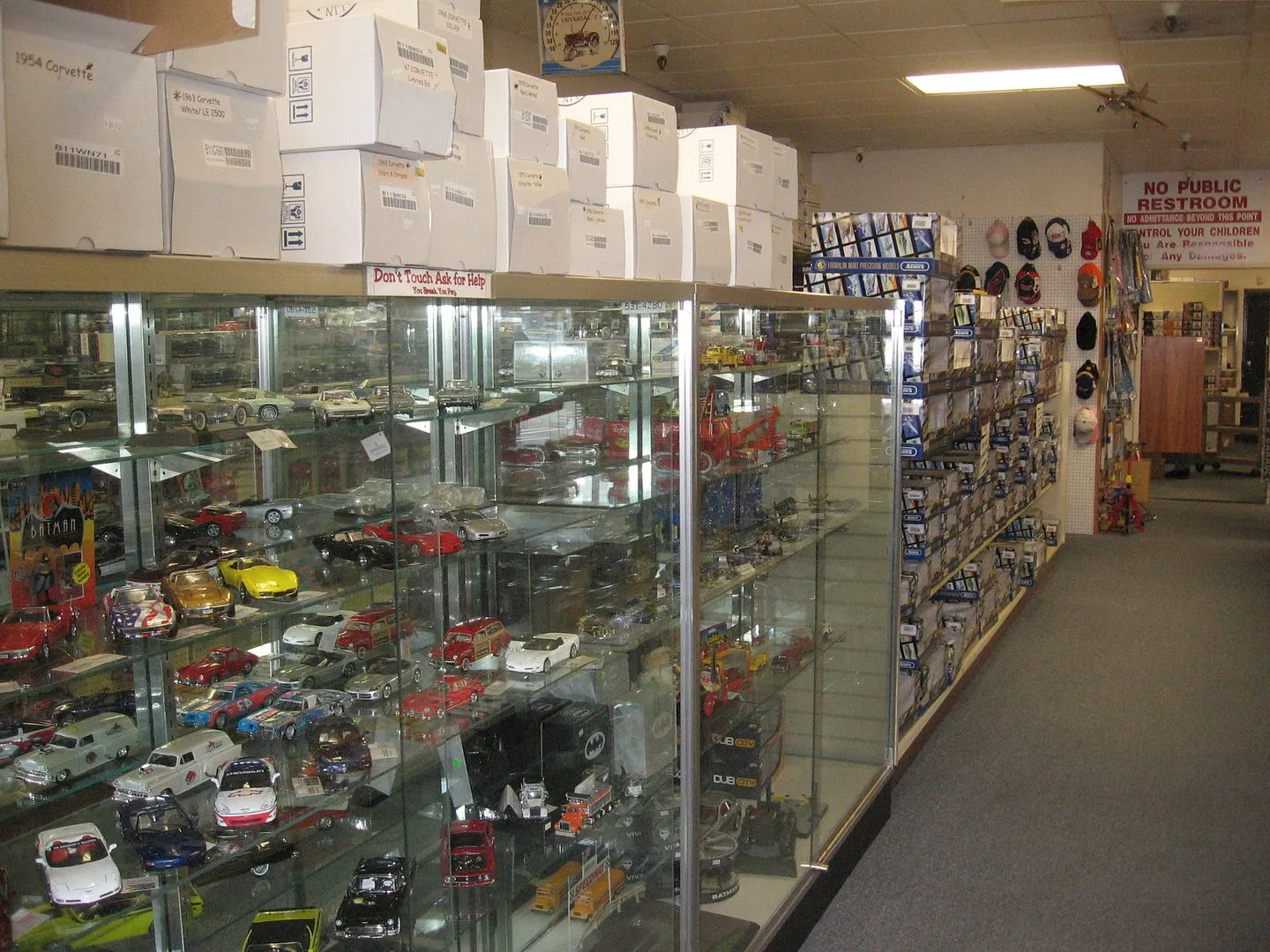
Specialty shops dedicated to diecast cars offer a more curated and personalized shopping experience. These shops are often run by enthusiasts who have expert knowledge of the hobby, offering valuable insights and recommendations. They often carry a wide selection of rare, limited-edition, and hard-to-find models, and can guide you on the best models to start with, as well as those that increase in value. Visiting a specialty shop provides an opportunity to see the cars in person, inspect the details, and get a feel for the quality of the models. These shops often host events, such as collector meetups and displays, fostering a community of diecast car enthusiasts. The personal touch and expertise provided by specialty shops are invaluable for collectors, making them a valuable resource for both beginners and seasoned collectors. These shops enhance the collecting experience.
Local Events

Local events, such as toy shows, car shows, and swap meets, provide excellent opportunities to find diecast cars and connect with other collectors. These events often feature vendors selling a wide variety of models, from common releases to rare and vintage finds. Local events also provide a chance to meet other enthusiasts, exchange information, and learn more about the hobby. The ability to inspect models in person, negotiate prices, and discover hidden gems makes these events a valuable resource for collectors. Attending local events is a fun and engaging way to expand your collection. Collectors can sell, trade, and buy at these events, often finding great deals. These events are a vibrant part of the diecast car collecting community. The social aspect of these events makes them an integral part of the hobby.
In conclusion, diecast cars are much more than just toys; they are miniature works of art that combine engineering, craftsmanship, and nostalgia. By understanding the top 7 features discussed in this article—scale and proportion, material and build quality, detailed interiors, engine and chassis, wheels and tires, opening features, and authentic paint and decals—you’ll gain a deeper appreciation for these collectible treasures. Whether you’re a seasoned collector or a newcomer, the world of diecast and drives offers endless opportunities to explore, learn, and enjoy these miniature masterpieces. Start your collection today and experience the joy of owning these exquisite models.