What Are Diecast Cars and Their Scales
Diecast cars are miniature replicas of real vehicles, crafted using a die-casting process. This involves injecting molten metal, typically zinc alloy, into molds to create detailed and durable models. The sizes of these cars are not just about aesthetics; they’re precisely scaled down versions of their full-sized counterparts. Understanding these scales is fundamental to appreciating and collecting these miniature marvels. The scale determines the level of detail, the overall size of the model, and how it fits into a collection or display. Different scales cater to different preferences and collecting habits, influencing everything from storage to the visual impact of a collection. Knowing the scale allows collectors to accurately compare and appreciate the fidelity of the models to the original vehicles.
Understanding Scale Sizes
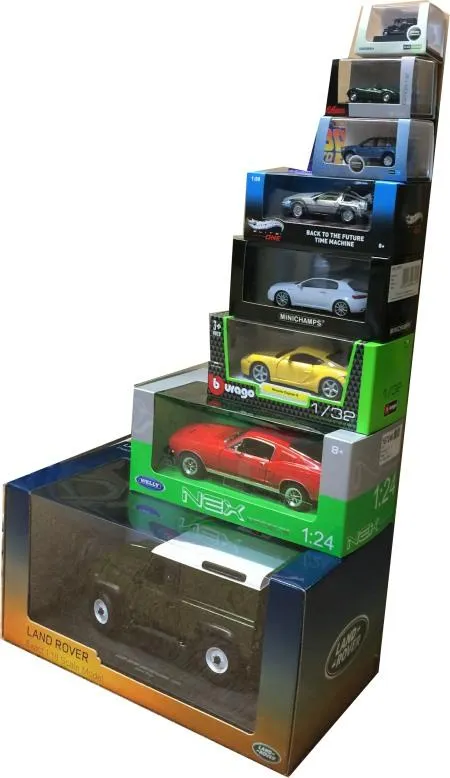
Scale in the diecast world represents the ratio between the model’s size and the actual car’s size. For example, a 1 18 scale model is 1/18th the size of the real car. This means that every 1 inch on the model represents 18 inches on the actual vehicle. The scale influences the level of detail, the size of the model, and its overall presence. Common scales like 1 18, 1 24, and 1 43 offer a range of options for collectors, each with its own appeal. The choice of scale often depends on personal preferences, available display space, and the desired level of detail. The scale affects how the model appears in a display, and the level of detail manufacturers can include. Smaller scales, like 1 64, are often more affordable and require less space, making them ideal for large collections. Larger scales, like 1 18, offer more detail and visual impact.
1 18 Scale
The 1 18 scale is a popular choice among diecast car enthusiasts, known for its balance of detail and size. Models in this scale offer a significant level of detail, allowing manufacturers to incorporate features like opening doors, hoods, and trunks, along with detailed interiors and engine compartments. The size of 1 18 scale models makes them visually striking, and they often serve as the centerpiece of a collection. The relatively large size also allows for intricate paint jobs and accurate representations of the original car’s design. Collectors often appreciate the tactile experience of handling these models, and the enhanced visual experience they provide. They provide a great opportunity to showcase detail and craftsmanship. (diecast cars 1 18 scale)
1 24 Scale
1 24 scale diecast cars offer a middle ground between detail and space requirements. They are smaller than 1 18 scale models, making them suitable for collectors with limited display space, but still offer a good level of detail. These models often feature opening doors, detailed interiors, and realistic paint finishes. The smaller size often translates to a more affordable price point, allowing collectors to acquire a wider variety of models. This scale is a favorite because it strikes a great balance between detail and the space needed to display them. The 1 24 scale models are also a popular choice for hobbyists who enjoy customizing their models, as there is a wide range of aftermarket parts and accessories available. (diecast cars 1 24 scale)
1 43 Scale
1 43 scale diecast cars are popular for their compact size and ease of collecting. They are smaller than both 1 18 and 1 24 scales, making them ideal for large collections and displays where space is limited. This scale often represents a great value, as models tend to be more affordable. Despite their smaller size, 1 43 scale models still offer a surprising level of detail. These models are often favored by collectors who appreciate a broad range of vehicles and can display them in a relatively small area. They are also common for racing models, allowing collectors to build complete race teams. The affordability and variety make 1 43 scale a solid choice for both new and experienced collectors. (diecast cars 1 43 scale)
Other Common Scales

Beyond the most common scales, there are several other sizes used in diecast car manufacturing. 1 64 scale is very popular, especially for Hot Wheels and Matchbox cars, known for their affordability and variety. These models are ideal for children and collectors. 1 50 scale is also frequently used, often for commercial vehicles and construction equipment. These scales are great for collectors who want to build diverse collections without taking up too much space. The diversity of scales ensures that there is a diecast car for every collector, regardless of their space or budget. The availability of various scales allows collectors to build focused collections based on their individual interests and display space.
The Importance of Scale Accuracy
Scale accuracy is essential in diecast car collecting because it determines how realistically the model represents the original vehicle. Accurate scales provide the correct proportions and details, which enhances the visual appeal and collectible value. A model that is not accurately scaled may appear distorted or out of proportion, which diminishes its aesthetic quality. Reputable manufacturers prioritize scale accuracy, which is a sign of quality craftsmanship. It also allows collectors to compare different models and appreciate the fidelity of the miniature replicas. Precise scaling provides a consistent visual experience across a collection, which is important for display purposes. Collectors often seek out models that are as accurate as possible. This adherence to scale ensures that models meet the expectations of collectors and retain their value. The details are essential for appreciating the models and the original cars.
Top 7 Facts About Diecast Cars Sizes
Fact 1 Scale and Detail

The scale of a diecast car directly affects the level of detail that can be incorporated. Larger scales, such as 1 18, allow for more intricate features like opening doors, detailed interiors, and realistic engine compartments. These models often have more individual parts, enhancing their realism. Smaller scales, while limited in the scope of detail, still strive for accuracy in proportions and basic features. The choice of scale often depends on the manufacturer’s capabilities and the target market. More detailed models are often prized by collectors and can command higher prices. The balance between detail and scale is a defining feature of diecast car collecting. The level of detail can range from basic representations to highly accurate reproductions.
Fact 2 Size and Collectibility
The size of diecast cars impacts their collectibility in several ways. Larger scales like 1 18 are often seen as premium collectibles due to their detail and visual impact. They are often displayed prominently in collections. Smaller scales, such as 1 43 and 1 64, offer the advantage of being more affordable and space-efficient. This makes them ideal for building extensive collections. The size influences the display options and the ease of storage. Collectors often choose scales that fit their available space and their collecting goals. The variety of sizes allows for diverse collecting strategies. The overall size significantly influences the perceived value and desirability of the models.
Fact 3 Display and Storage
Diecast car sizes greatly influence display and storage options. Larger scale models require more space for display, often showcased in dedicated display cases or shelves. Smaller scales are more easily stored and can be displayed in various configurations, including compact shelves or even wall-mounted displays. Collectors often consider storage and display options when choosing which scales to collect. Proper display enhances the visual appeal of the collection, while efficient storage helps to protect the models from damage. The size affects whether a collection can be displayed in a small apartment or requires a dedicated room. The selection of scale has a direct effect on how the collection is stored and presented.
Fact 4 Material Influence

The material used in diecast car manufacturing, typically zinc alloy, is a core component. This material impacts the durability and the overall feel of the models. The size of the model can influence the amount of material needed, which affects the weight and sturdiness of the car. The weight can add to the perceived quality and authenticity. Larger scale models may have a more substantial feel due to the greater amount of metal used. The material contributes to the overall presentation of the model. The material contributes to the longevity of the collectible. (diecast car material)
Fact 5 Manufacturer Variations
Manufacturer variations exist within the same scale due to differences in production techniques, quality control, and licensing agreements. Some manufacturers prioritize detail, while others focus on affordability. These variations can affect the accuracy of the model, the level of features, and the overall visual appeal. Collectors often compare models from different manufacturers to assess their quality and authenticity. Researching different brands and comparing their products is part of the collecting experience. The variety ensures that collectors can find models that meet their specific preferences. Variations in design and features can be seen across different manufacturers.
Fact 6 Value and Rarity
The size of a diecast car can indirectly impact its value and rarity. Larger scale models, due to their detail and premium status, can be more valuable, especially if they are limited edition or highly detailed. Rarity often influences value, as models that are difficult to find command higher prices. The scale itself doesn’t directly determine the value, but it affects factors like detail, which contribute to the price. Limited production runs, specific model features, and historical significance can increase the value. The condition of the model and its original packaging are key in determining the value. The market for diecast cars is driven by factors beyond just size.
Fact 7 Size and Age Appropriateness

The size of a diecast car is a factor in determining its age appropriateness. Smaller models are often safer for younger children, as they are less likely to pose a choking hazard. Larger models, with their more intricate details and small parts, are generally recommended for older children and adult collectors. Manufacturers often indicate age recommendations on their packaging. Collectors need to be aware of safety precautions, particularly when handling models around children. The right size ensures safety and enhances the collecting experience for people of all ages.
How to Choose the Right Diecast Car Size
Consider Your Collection
When selecting diecast car sizes, it is important to consider the existing collection. Choosing a scale that complements the existing models will create a cohesive display. Expanding a collection with models of the same scale maintains consistency and enhances the visual appeal. Consider whether you want to focus on a specific type of car or period. The size should align with your overall collecting strategy. Consistency creates a unified and visually appealing collection. Choosing a single scale can improve the value of the collection.
Display Space

The available display space is a significant factor. Larger scales require more room. Smaller scales are more versatile and fit in tighter spaces. Assess the available space for your collection. This will dictate the size of the models you can realistically collect. Vertical space, such as shelves, can be efficiently used. It will also affect how the collection is presented. Ensure the models can be effectively displayed.
Budget Considerations
The cost of diecast cars varies based on the scale and level of detail. Larger scale models can be more expensive. Smaller models are often more affordable. Set a budget before you start collecting. This will help you choose scales and models that fit your financial constraints. Consider the long-term cost of building your collection. The budget influences the scope of the collection. The choice of scale impacts the financial investment.
Personal Preference
The most important factor is personal preference. Some collectors prefer the detail of larger scale models. Others appreciate the variety and affordability of smaller scales. Consider which scale resonates with you the most. Experiment with different scales to see what you enjoy. The ideal scale is the one that gives you the greatest satisfaction. The passion for collecting drives these decisions.
Conclusion
Understanding diecast car sizes is fundamental to enjoying and appreciating the hobby. Scale determines the level of detail, the size of the model, and how it integrates into a collection. From the intricate detail of 1 18 scale models to the space-saving convenience of 1 43 and 1 64 scales, there is a scale for every collector. Careful consideration of factors such as display space, budget, and personal preference will help guide you to the right choice. The size plays a key role in everything from collecting to display. No matter the choice, the world of diecast cars offers a rich and rewarding experience. (diecast cars sizes conclusion)