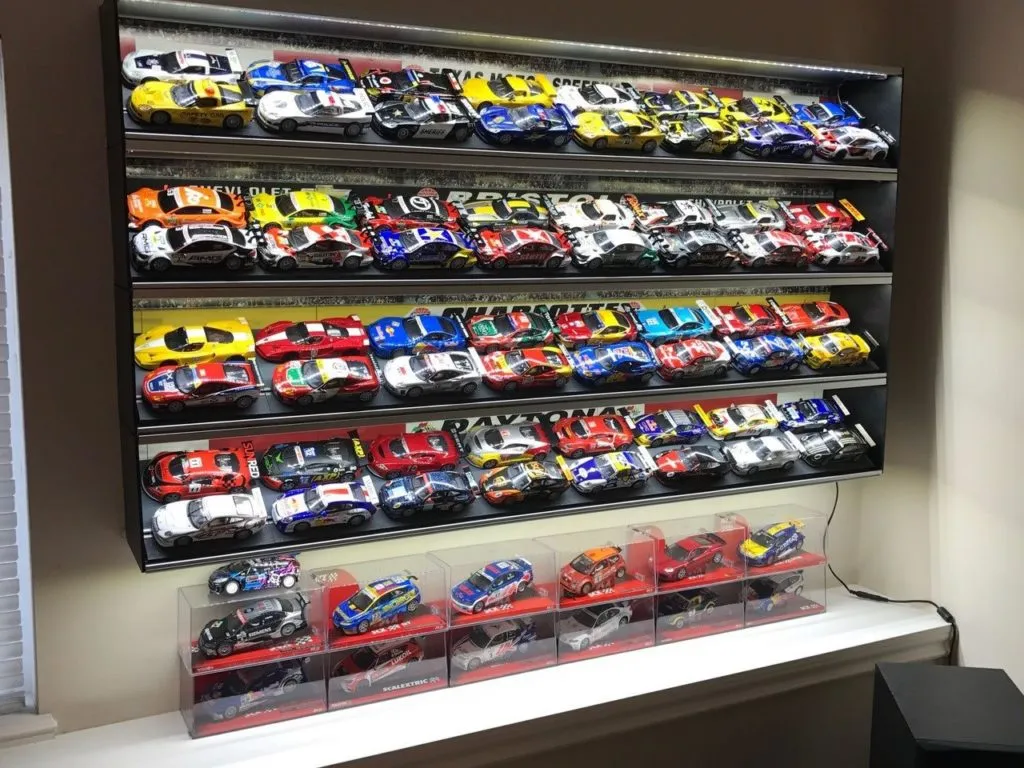
What are Diecast Cars
Diecast cars are miniature models of vehicles, typically made from a die-casting process that involves injecting molten metal or plastic into molds. These models replicate real-life automobiles, trucks, and other vehicles with varying degrees of detail and accuracy. They have become highly popular among collectors and enthusiasts of all ages. Diecast cars are not just toys, they represent an intersection of art, engineering, and history. The level of detail can range from simple, basic models to highly intricate replicas. The materials used, the manufacturing process, and the variations in scale all contribute to the unique appeal of diecast cars.
The History of Diecast Cars
The history of diecast cars is a fascinating journey that traces back to the early 20th century. These miniature marvels have evolved significantly over time, reflecting advancements in manufacturing and design. The story of diecast cars is not just about toys, it is a reflection of the automotive industry itself, as well as the culture and interests of the people who collect them. From their humble beginnings to the highly detailed models of today, diecast cars have captured the imagination of enthusiasts around the world.
Early Diecast Models

Early diecast models emerged in the early 1900s, primarily made from lead-based alloys. These models were often simple representations of vehicles, designed more as toys than collectibles. Early diecast models, while rudimentary, were a technological achievement for their time. They provided children with durable and detailed representations of the cars and trucks they saw in the streets. Their manufacture paved the way for more sophisticated techniques and materials, transforming the world of toy cars. These early models began the legacy of what diecast cars would become.
The Rise of Diecast Toy Cars
The post-World War II era marked a turning point for diecast cars. Advances in manufacturing and the introduction of zinc alloys made it possible to create more detailed and durable models. Companies like Dinky Toys and Corgi Toys emerged as pioneers, producing a variety of vehicles with intricate details and features. The rise of diecast toy cars was a reflection of the growing popularity of automobiles and the burgeoning toy industry. These toy cars provided children with hours of entertainment and sparked the imaginations of young car enthusiasts.
Materials and Manufacturing
The manufacturing process is central to the creation of these miniature vehicles. The materials used, the die-casting technique, and the subsequent finishing processes all contribute to the final quality and detail of the models. This process has evolved over time, with manufacturers constantly refining their techniques to achieve greater accuracy and realism. Each step, from the initial design to the final paint job, is critical in producing a high-quality diecast car. Understanding the manufacturing process provides a deeper appreciation for the craftsmanship involved.
The Diecast Process

The die-casting process starts with creating molds, which are precise negative forms of the car parts. Molten metal or plastic is then injected into these molds under high pressure. Once the material cools and solidifies, the mold is opened, and the car parts are extracted. These parts are then assembled, painted, and detailed to create the final product. The die-casting process is known for its ability to produce complex shapes with a high degree of accuracy, making it ideal for creating detailed miniature vehicles. This precision allows manufacturers to replicate the features of real-life cars with remarkable fidelity.
Materials Used
The primary material used in diecast cars is zinc alloy, often combined with other metals like aluminum and magnesium. This alloy provides a good balance of strength, durability, and detail. Plastic is often used for interior parts, wheels, and other components. The choice of materials is important for the overall quality and appearance of the model. The combination of these materials enables manufacturers to create models that are both realistic and robust. The quality of the materials influences everything from the model’s weight to its ability to capture fine details.
Key Features of Diecast Cars
Diecast cars are characterized by several key features that distinguish them from other types of toy cars. Scale, detail, and realism are central aspects that attract collectors and enthusiasts. Diecast car manufacturers strive to replicate real-life vehicles as accurately as possible. The features of these cars enhance their appeal as collectibles. Each feature is a testament to the craftsmanship and technology behind these miniature vehicles.
Scale and Size

Diecast cars come in a variety of scales, with the most common being 1:18, 1:24, and 1:43. The scale indicates the size relationship between the model and the real-life vehicle. For example, a 1:18 scale model is 1/18th the size of the actual car. Scale is important for collectors, as it affects the model’s size, detail, and the space required for display. The different scales provide collectors with diverse options. The scale not only determines the size but also influences the level of detail that can be incorporated into the model.
Detail and Realism
The level of detail is a defining characteristic of diecast cars. Manufacturers go to great lengths to replicate the features of real cars, including the interior, engine, wheels, and body. High-quality models often feature opening doors, hoods, and trunks, as well as detailed dashboards and seats. The use of realistic paint finishes, decals, and chrome accents further enhances the realism. The attention to detail is what makes diecast cars so captivating. These details transform a toy into a miniature work of art.
Types of Diecast Cars
There are many different types of diecast cars available, each catering to specific interests. From model cars to collectible cars and classic cars, there is a diecast car for everyone. These different types offer diversity for collectors, allowing them to focus on particular vehicles or eras. Each type has its own unique features and appeal. Whether you are interested in racing cars, vintage vehicles, or modern sports cars, there is a diecast car to satisfy your interests.
Model Cars

Model cars are the most common type of diecast cars, designed to represent specific real-life vehicles. These models are often made to scale, such as 1:18 or 1:24, and are known for their detailed features and accuracy. The range of model cars is vast, including everything from sports cars and luxury vehicles to trucks and SUVs. Model cars are perfect for enthusiasts who want to collect replicas of their favorite cars or build a comprehensive collection of vehicles from a particular era. Model cars are a gateway into the world of diecast collecting.
Collectible Cars
Collectible cars are diecast models that are produced in limited quantities or feature special details, making them highly sought after by collectors. These models often represent rare or exclusive vehicles, or they might have unique paint schemes or special edition features. The value of collectible cars is often driven by their rarity, the manufacturer, and the condition of the model. Collecting these models is often a passion that can also provide significant investment potential. Collectible cars are the pinnacle of the diecast car world.
Classic Cars
Classic cars are diecast models that replicate vintage and antique vehicles from past decades. These models capture the charm and elegance of iconic cars. The level of detail in these models is often exceptional, with manufacturers striving to recreate the unique features and designs of the original vehicles. Classic cars provide a nostalgic connection to the past, allowing collectors to admire and celebrate the history of automobiles. They are treasured for their historical significance and aesthetic appeal.
Why People Collect Diecast Cars

Collecting diecast cars is a popular hobby with a wide range of motivations. Some people collect diecast cars as a means of expressing their passion for automobiles, others see it as a way to connect with history, and many enjoy the investment potential. The reasons behind collecting are as diverse as the models themselves. Understanding the motivations behind the hobby enriches the experience and allows for greater enjoyment of the hobby. Collecting diecast cars is about more than just the cars, it is about the community and the shared passion for the hobby.
Collecting as a Hobby
Collecting diecast cars is a rewarding hobby for many. It provides a way to express one’s passion for cars and to build a personal collection of models. The hobby is also a great way to learn about different cars, their history, and the automotive industry. The social aspect of collecting is also significant, with collectors often connecting with others online and at events to share their passion. Collecting diecast cars is a fun way to stay engaged with a favorite interest.
Investment Potential
Some collectors view diecast cars as a potential investment. Certain models, especially limited editions and rare vehicles, can appreciate in value over time. The value of a diecast car is influenced by factors such as its rarity, condition, manufacturer, and the demand for the model. Investors often research and study the market, making informed decisions about which models to collect. While collecting diecast cars is often driven by passion, the potential for investment can also be an attractive aspect of the hobby.
Displaying and Caring for Diecast Cars

Proper display and care are essential for preserving and enjoying your diecast car collection. From protecting your models from dust and damage to maintaining their pristine condition, taking care of your collection is an integral part of the hobby. This practice not only protects the investment but also ensures that the models remain in excellent condition. Proper display and care enhance the appeal and longevity of the models.
Proper Storage
The best storage solution for diecast cars is a cool, dry environment away from direct sunlight. Sunlight can fade paint and damage delicate parts. Keeping models in their original packaging can help protect them from dust and damage. Display cabinets with glass doors provide an excellent way to showcase your collection while also protecting them from the elements. Proper storage will keep your models in pristine condition for years.
Cleaning and Maintenance
Regular cleaning and maintenance are essential for keeping your diecast cars in excellent condition. Use a soft, microfiber cloth to gently wipe away dust and fingerprints. Avoid using harsh chemicals or abrasive cleaners. Handle your models with care to prevent scratches or other damage. The maintenance routine should be handled carefully to prevent potential damage. Regular care will keep your collection looking its best.