Diecast Car Sizes What Are the Common Scales
Diecast metal cars come in a variety of sizes, or scales, each representing a specific ratio of the model’s size to the actual car’s size. Understanding these scales is crucial for collectors and enthusiasts, as it affects everything from the detail level of the model to the space required for display. The most popular scales include 1 18, 1 24, and 1 43, each offering unique advantages and catering to different preferences. These scales are not arbitrary; they are standardized, allowing collectors to build cohesive and visually appealing collections. The choice of scale often depends on personal preference, available space, and the level of detail desired in the models. Exploring these scales helps in making informed decisions when starting or expanding a diecast car collection, ensuring it aligns with your collecting goals and resources. This introductory section aims to provide a foundational understanding of the common scales available and why they are important in the world of diecast collecting.
1 18 Scale Exploring the Most Popular Size
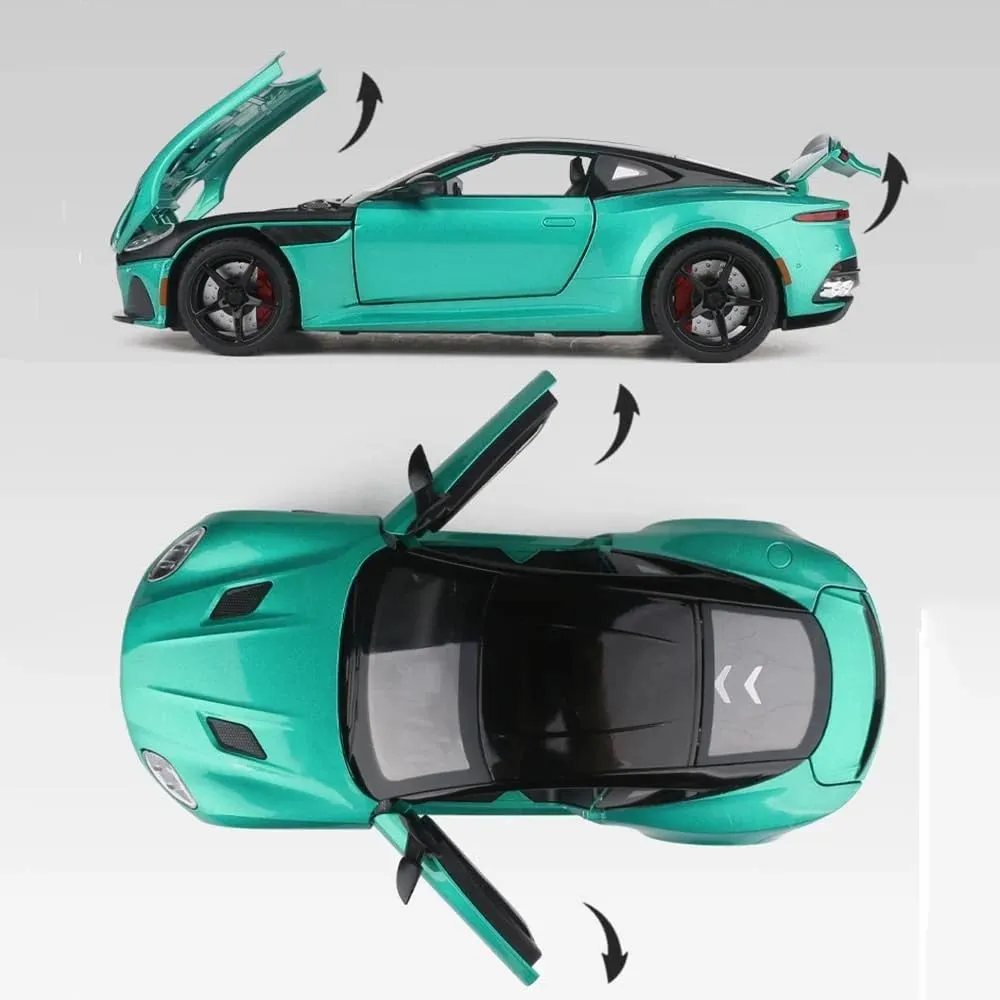
The 1 18 scale is arguably the most popular among diecast car collectors. This scale offers a great balance between size and detail, allowing for intricate designs and features. Models in this scale are large enough to showcase fine details, such as opening doors, hoods, and trunks, detailed engine compartments, and realistic interiors. The 1 18 scale also provides a satisfying tactile experience due to its size and weight, making them enjoyable to handle and display. However, the larger size of 1 18 scale models requires more display space. Collectors should consider this factor when planning their collection. It’s an excellent choice for those who appreciate high levels of detail and are willing to allocate the necessary space for their models. The availability of 1 18 scale models is vast, with a wide range of makes, models, and finishes to choose from, making it a favorite among serious collectors.
1 24 Scale A Detailed Overview

The 1 24 scale offers a middle ground, striking a balance between detail and space requirements. These models are smaller than 1 18 scale cars, making them suitable for collectors with limited display areas. While they may not have quite the same level of detail as 1 18 scale models, they still feature impressive craftsmanship, often including opening parts and detailed interiors. The 1 24 scale is also a very common scale, with a wide variety of models available, including classic cars, modern vehicles, and racing cars. They are usually more affordable than 1 18 scale models, which makes them a popular choice for both beginners and experienced collectors. The 1 24 scale provides a great starting point for those new to the hobby and allows for diverse collecting, making it a versatile choice for any enthusiast seeking quality and variety.
1 43 Scale The Versatile Choice
The 1 43 scale is a very popular choice due to its versatility and compactness. These models are significantly smaller than 1 18 and 1 24 scale cars, which means they require minimal display space, making them ideal for collectors with limited room. Despite their smaller size, 1 43 scale models can still feature a high level of detail, although some of the finer features may be simplified. This scale is frequently used for racing cars and specific car models, making it a favorite among those with specific interests. Its affordability is another advantage, making it a great option for building a large and diverse collection without a substantial investment. The availability of models in this scale is also broad, providing collectors with a wide variety of choices, from classic cars to modern vehicles. The 1 43 scale is perfect for those who want to collect a lot of models and are also short on space.
Other Scales in Diecast Cars
Beyond the three most popular scales, the world of diecast cars includes other sizes, each with its niche appeal. Scales like 1 64, also known as the Hot Wheels or Matchbox scale, are extremely popular for their affordability and ease of storage. These tiny models are perfect for casual collectors and children, offering a wide range of vehicles at a low cost. Other less common scales such as 1 12, 1 32, and even larger scales exist, typically catering to specialized markets or those who prioritize extreme detail and size. The choice of scale often depends on the collector’s specific interests, space limitations, and budget. Exploring these less common scales can be a rewarding experience, leading to unique finds and the ability to specialize in less crowded collecting areas.
Diecast Car Sizes Factors Influencing Scale Selection

Choosing the right diecast car scale involves several key considerations. It’s not just about aesthetics or the perceived coolness of a model; it’s about making informed decisions that fit your lifestyle and collecting goals. Understanding these factors ensures that your collection is both enjoyable and practical. Factors such as personal preferences, space considerations, and display options play a pivotal role in determining the most suitable scale for your collection. This part of the guide will explore these key areas, providing insights to help you make the perfect choice for building a fulfilling diecast car collection.
Collecting Preferences
Your personal collecting preferences are a primary factor in determining the right diecast scale. Do you have a favorite make or model? Perhaps you’re fascinated by racing cars or classic vehicles. Different scales cater to different collecting interests. For example, if you’re passionate about intricate details, the 1 18 scale might be perfect, as it allows for more elaborate features. If you prioritize variety and want to collect a wide range of models, the smaller 1 43 or 1 64 scales could be better choices. Consider what aspects of diecast collecting most excite you the detail, the variety, or the specific vehicles you wish to own. Researching the availability of your preferred models in different scales will help you narrow down your options. Your collecting preferences should always guide your scale selection to ensure that your collection is fulfilling and enjoyable.
Space Considerations
The amount of space you have available is one of the most practical considerations. Diecast cars can quickly take up a lot of room, especially in larger scales. Before starting or expanding your collection, assess the space you have for display. 1 18 scale models require more shelf space compared to 1 24 or 1 43 scale models. Consider where you plan to display your models are they on shelves, in a display cabinet, or somewhere else? If you live in a small apartment or have limited display areas, smaller scales like 1 43 or 1 64 might be more suitable. Conversely, if you have ample space, the larger 1 18 scale can be a rewarding option, allowing you to showcase intricate details. Planning your display space in advance ensures that your collection remains manageable and visually appealing. This helps prevent the overwhelming feeling of having too many models in too little space and allows for a more organized collection.
Display Options

How you intend to display your diecast car collection is another key factor in determining the right scale. Display options include shelves, display cases, or even wall-mounted units. Different scales can lend themselves better to certain display methods. For example, smaller scales like 1 43 are well-suited for display cases, allowing you to showcase a large number of models in a compact space. Larger scales like 1 18 may look best on open shelves, allowing viewers to admire their details from various angles. Consider the aesthetics of your display setup. The scale you choose will significantly impact the overall look and feel of your collection. Think about how the models will complement your existing decor. Experimenting with different display options, such as lighting and background elements, can further enhance the presentation of your diecast cars, regardless of scale.
Diecast Car Sizes How to Measure a Diecast Car
Understanding how to measure a diecast car is fundamental to determining its scale, whether for your collection or for verifying the accuracy of a model’s dimensions. Accurate measurements also allow you to compare the size of different models and understand their proportions. Although diecast cars are made to specific scales, slight variations can occur due to manufacturing tolerances. Knowing how to measure a diecast car can give you additional information and an appreciation for the work behind the production of these detailed models. This part of the guide shows the basics of the procedure, along with a few useful conversion tips.
Using a Ruler or Measuring Tool
The first step in measuring a diecast car is to gather the right tools. A ruler or measuring tape is sufficient for basic measurements. For more precise measurements, you might use digital calipers, which provide highly accurate readings. Begin by placing the car on a flat surface. Measure the length of the car from the front bumper to the rear bumper. Also, measure the width of the car at its widest point, usually across the mirrors. Record these measurements in your chosen unit of measurement inches or centimeters. Remember to be as precise as possible to get the best reading. Taking multiple measurements and averaging the results can improve accuracy. This simple process gives you the physical dimensions of the model, which can be used to estimate its scale or compare it with other models in your collection. By using these simple tools, you can gain an appreciation for these detailed collectibles.
Converting Between Scales

Converting between scales involves understanding the ratio of the model’s size to the actual car’s size. Each scale represents a specific fraction. For example, in the 1 18 scale, one inch on the model represents 18 inches on the real car. To convert the model’s measurements to the real car’s dimensions, multiply the model’s dimensions by the scale factor. The scale factor is the denominator of the scale. To convert the real car’s dimensions to the model’s dimensions, divide the real car’s dimensions by the scale factor. By applying these simple calculations, you can easily convert the dimensions of your diecast cars to their real-life equivalents or vice versa. This skill not only enhances your understanding of the model cars but also enriches your appreciation for the engineering and design of both the real cars and their miniature counterparts.
Diecast Car Sizes Choosing the Right Scale for Your Collection
Choosing the right scale for your diecast car collection is a personalized journey. There is no single ‘best’ scale. The ideal choice depends on your individual circumstances and preferences. Consider factors like display space, the level of detail you desire, and the specific models you want to collect. By carefully evaluating these aspects, you can make an informed decision that allows you to create a satisfying and visually appealing collection. The goal is to build a collection that you enjoy, fits your lifestyle, and reflects your passion for diecast cars. The following sections are designed to help you choose the right one.
Beginner’s Guide to Diecast Car Sizes
For those new to diecast collecting, the 1 24 and 1 43 scales often represent the best starting points. The 1 24 scale offers a great balance between detail and space requirements, and 1 43 offers compactness and affordability. This allows new collectors to explore their interests without a huge initial investment. Start by selecting a few models in a specific scale to get a feel for the hobby. Then, build your collection around this scale or branch out as your preferences evolve. Researching different scales and the availability of models in those scales will help you make informed decisions. Look at various online communities, visit local hobby shops, and talk to other collectors to gain insights. Starting with a focus on a few models gives you a solid foundation to build upon, allowing you to refine your preferences and build a collection that truly reflects your passion. Remember, collecting is about enjoyment, so choose the scale that brings you the most satisfaction.
Advanced Collectors Scale Selection Tips

For advanced collectors, the selection of scale is often a more nuanced process, involving a deeper understanding of various factors and specific collecting goals. Consider specializing in a particular scale or a niche model type, such as vintage cars or specific racing series, to build a unique collection. Explore scales that are less common to set your collection apart. Take advantage of online platforms, local diecast shows, and collector communities to discover rare models and expand your knowledge. Develop a strong organizational system for your collection, including detailed documentation of each model. This includes its scale, make, model, and any special features. This detailed approach is essential for advanced collectors who want a high-level, carefully curated collection. Always stay informed about new releases, market trends, and rare finds to keep the hobby fresh and exciting. By staying engaged and refining your strategy, you can develop an advanced collection that will be the envy of other collectors.
Diecast Car Sizes Where to Buy Diecast Cars in Various Scales
Finding the perfect diecast cars in the scale you want is a key part of the collecting hobby. The good news is that diecast cars are widely available. There are many options for both online and in-person shopping. Whether you’re looking for a specific model or browsing to expand your collection, knowing where to look can save you time and enhance your collecting experience. From established online retailers to specialized shops, the following sections will explore the main places where you can buy diecast cars in various scales. Knowing all the possibilities will open up a world of collecting.
Online Retailers
Online retailers offer a convenient way to buy diecast cars, providing a vast selection and competitive prices. Major online marketplaces, such as Amazon and eBay, host a wide variety of diecast models in various scales. They provide a convenient way to buy models from different sellers, often with user reviews and ratings. Dedicated diecast car websites offer curated selections, specialist knowledge, and often access to rare or limited-edition models. These sites can provide detailed information about each model, from technical specifications to historical backgrounds. Comparison shop on different platforms before making a purchase. Check shipping costs and return policies to ensure a smooth shopping experience. Be sure to purchase from reputable sellers to ensure product quality and authenticity. The benefit of online retailers is that you can shop from the comfort of your home.
Specialty Shops

Specialty shops offer a more personalized shopping experience. These shops offer a wide selection of diecast models, and often focus on particular brands, eras, or scales, catering to dedicated collectors. Visiting a specialty shop allows you to see the models up close, examine their details, and ask questions from knowledgeable staff. This environment can be invaluable for learning more about diecast collecting and finding rare or hard-to-find models. Local hobby shops offer a sense of community and often host diecast car shows or events, connecting you with other collectors. Consider building a relationship with the shop owners, who can provide valuable advice. The specialty shops create a community of collectors, sharing knowledge and experience, providing an enhanced collecting experience.