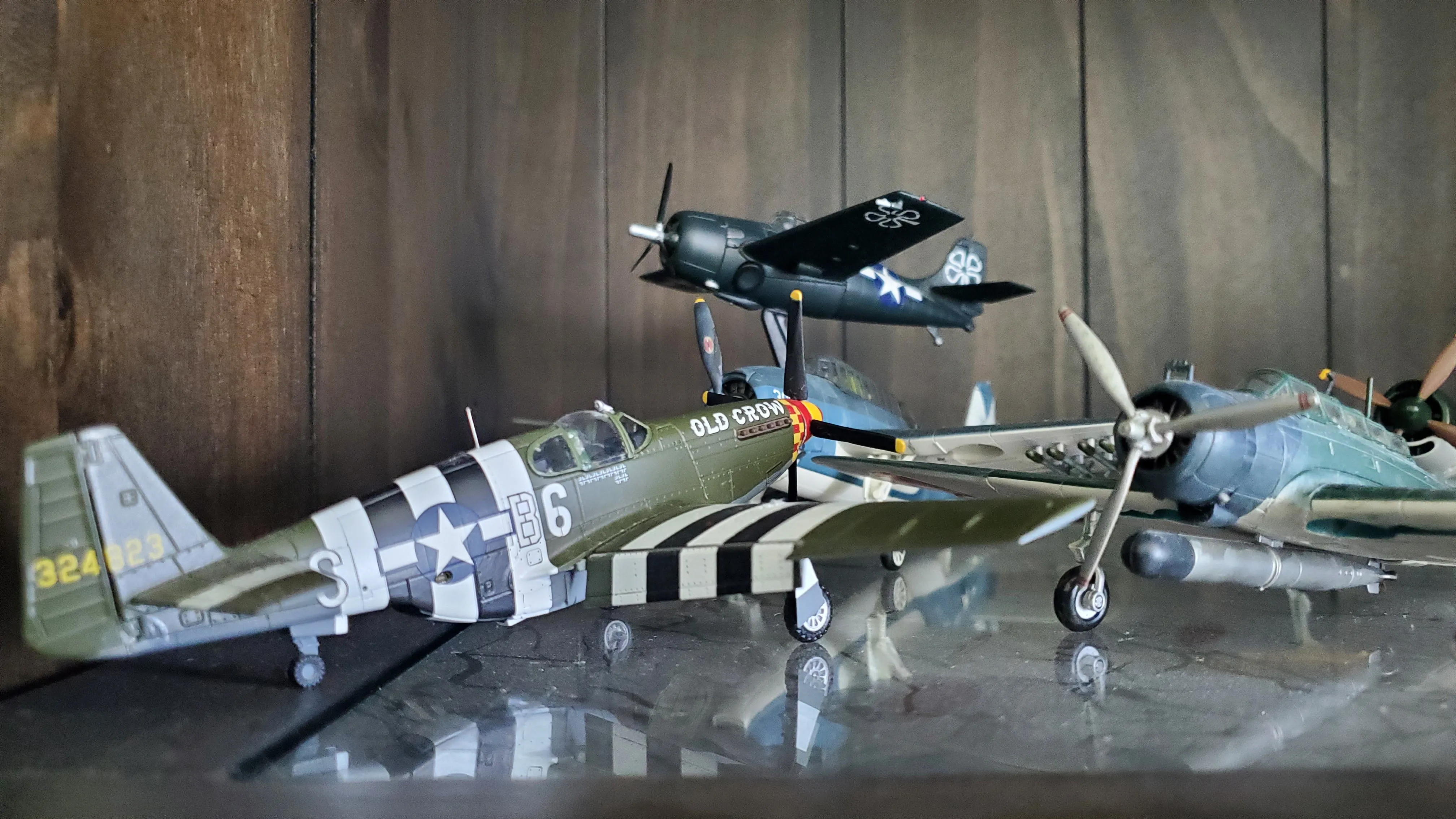
The Allure of 1 72 Scale Diecast Aircraft
Diecast aircraft in 1 72 scale have captivated collectors and enthusiasts for decades. These meticulously crafted models offer a unique blend of historical significance, intricate detail, and the sheer joy of collecting. The popularity of these miniature marvels stems from their ability to bring history to life, allowing enthusiasts to appreciate the engineering and design of iconic aircraft from various eras. The 1 72 scale is particularly appealing due to its balance between size and detail, making the models both impressive and manageable to display and collect. Whether you are a seasoned collector or just starting, the world of 1 72 scale diecast aircraft offers a fascinating journey.
What is 1 72 Scale
Understanding scale is fundamental to appreciating diecast aircraft. The 1 72 scale means that the model is 1/72nd the size of the actual aircraft. This scale is widely popular among model enthusiasts because it strikes a perfect balance, allowing for a good level of detail without requiring excessive space for display. This means that a model represents 1 inch for every 72 inches of the real aircraft. This standardization makes it easy to compare models, allowing collectors to readily understand the relative sizes of different aircraft. This also makes it easy to compare aircraft from different manufacturers, ensuring a consistent visual experience.
Scale and Detail

The advantage of 1 72 scale is the level of detail manufacturers can incorporate. At this scale, features such as panel lines, rivets, cockpit details, and even miniature pilot figures can be accurately represented. This high level of detail enhances the realism of the models and provides a rewarding experience for collectors who appreciate the artistry and craftsmanship involved. Model manufacturers often use advanced techniques like tampo printing and precision molding to replicate the complex markings and features of the original aircraft. This attention to detail is a critical element in the appeal of 1 72 scale diecast aircraft, transforming them into miniature works of art.
Materials Used in Diecast Aircraft
The construction of diecast aircraft involves a combination of materials, primarily chosen for their durability, detail, and aesthetic appeal. The main body of the aircraft is typically made from diecast metal, usually zinc alloy. Other components, like the propellers, landing gear, and certain detailing elements, are often made from plastic. This combination allows for the best of both worlds a robust main structure, with more delicate details achieved through plastic molding. These materials are selected and combined carefully to produce high-quality models.
Zinc Alloy
Zinc alloy is the primary material used for the main structure of the diecast aircraft. Its durability, weight, and ability to capture fine details make it ideal for this application. The diecasting process involves injecting molten zinc alloy into a mold under high pressure, allowing manufacturers to create intricate shapes and maintain precise dimensions. The weight of the zinc alloy also gives the models a substantial feel, adding to their perceived value and realism. The use of zinc alloy ensures the models can withstand handling and display over time, making them ideal for collectors.
Plastic Components

Plastic components are essential for the finer details of the models. Items like propellers, landing gear, antennas, and certain cockpit elements are often made from high-quality plastic. This allows for the reproduction of intricate shapes, such as the propeller blades or the delicate struts of the landing gear. Plastic components can also be more easily molded into complex shapes and can offer more color options and finishes. These parts are often designed to snap-fit into the metal body, resulting in a durable and easily assembled model. Plastic provides a versatile solution for details that would be difficult or costly to achieve using only metal.
The History of 1 72 Scale Diecast Aircraft
The history of 1 72 scale diecast aircraft is intertwined with the evolution of model making. It reflects advancements in manufacturing techniques, changing collector interests, and the enduring appeal of aviation. The scale’s adoption by major manufacturers and its consistent use has provided a stable platform for collectors worldwide to build their collections. The evolution of the models from simple representations to highly detailed replicas has mirrored the increasing sophistication of model-making technologies. This history is about the growth of a hobby into a major industry.
Origins and Popularity
The popularity of 1 72 scale diecast aircraft began to rise with the increased interest in model collecting after World War II. The scale’s suitability for depicting a wide range of aircraft types from various eras made it an attractive option for collectors. As manufacturing processes improved, model makers were able to produce more detailed and accurate representations of aircraft. The rise of air travel and aviation’s historical significance played a key role in the appeal. The relatively small size of the models also contributed to their popularity, making them easy to store, display, and collect in large numbers.
Key Manufacturers

Several manufacturers have been pivotal in the diecast aircraft market. Companies such as Corgi, Gemini Jets, and Herpa have set high standards for quality, detail, and historical accuracy. These manufacturers have consistently released new models, expanding the variety of aircraft available to collectors. They often collaborate with historical societies, museums, and aviation experts to ensure accuracy. Their dedication to quality has built a strong reputation among collectors. The availability of models from well-known manufacturers has reinforced the hobby and broadened its appeal.
Top 5 Facts About 1 72 Scale Diecast Aircraft
Fact 1 Realism and Accuracy
One of the primary appeals of 1 72 scale diecast aircraft is their exceptional realism and accuracy. Model manufacturers invest significant effort into researching and replicating the specific details of each aircraft. This includes the correct paint schemes, markings, and even the subtle weathering effects that mimic the wear and tear of real-world aircraft. Many models also feature detailed cockpits with miniature pilot figures and accurate internal structures. This commitment to realism transforms the models into miniature replicas of history.
Fact 2 Wide Variety of Models

The availability of a wide variety of models is another key draw. Collectors can choose from a vast selection of aircraft, spanning different eras, from World War I biplanes to modern jet fighters. This includes military and civilian aircraft, representing historical significance and technological innovation. Each model caters to diverse interests, including specific aircraft types, air forces, and historical events. This variety lets collectors personalize their collections and focus on their passions.
Fact 3 Collectibility and Value
1 72 scale diecast aircraft have a strong element of collectibility. Many models are produced in limited quantities, which increases their value over time. Rare models and special editions are highly sought after by collectors. The value is affected by several factors, including the model’s rarity, condition, and the manufacturer. Collectors often form communities, trading models and sharing knowledge. As a result, a well-maintained collection can represent a significant financial investment. Certain models can become valuable assets.
Fact 4 Display and Presentation
Diecast aircraft models are often displayed to showcase their beauty and detail. Many collectors create elaborate displays, including display cases, dioramas, and custom-built shelves. These displays can be thematic, focusing on a specific air force, historical event, or aircraft type. The presentation enhances the visual appeal of the models and allows collectors to share their passion with others. Well-lit display cases and attention to detail in presentation can transform a collection into a stunning exhibition.
Fact 5 Historical Significance

1 72 scale diecast aircraft are miniature representations of history, and they provide a tangible connection to significant events and technological advancements. Each model represents an actual aircraft that played a role in conflicts, scientific breakthroughs, or commercial aviation. Collecting these models can be an educational experience, allowing enthusiasts to learn about the history of aviation and the aircraft themselves. This historical significance adds an extra layer of enjoyment and appreciation for the hobby. It is about more than just collecting; it is about preserving and appreciating history.
How to Start Your Collection of 1 72 Scale Diecast Aircraft
Choosing Your First Models
Beginning your collection requires careful planning and research. Consider what aspects of aviation interest you most. Do you have a particular fondness for World War II fighter planes, modern jets, or civilian aircraft? Start by selecting models that resonate with your interests. Focus on a specific theme or period to give your collection focus. Research different manufacturers to assess their quality and detail. Reading reviews and comparing models will also help you make informed decisions. Beginning with a few carefully chosen models will provide a good foundation and ignite your passion.
Where to Buy Diecast Aircraft

Various avenues exist to acquire 1 72 scale diecast aircraft. Online retailers like Amazon, eBay, and specialist model shops offer a wide selection. Local hobby stores are great resources, offering the advantage of seeing the models in person and receiving personalized advice. Model shows and conventions are good venues for collectors to find rare models and connect with other enthusiasts. Some museums and historical societies sell models related to their collections. Comparing prices and checking the reputation of sellers are crucial for a successful buying experience.
Maintaining and Caring for Your Collection
Proper care is important to preserve the value and appearance of your collection. Dusting models regularly with a soft brush or cloth helps to prevent damage. Displaying models in a location away from direct sunlight protects the paint from fading. Storing models in a display case or a protective box protects them from dust and accidental damage. Handle the models with care, avoiding excessive force or dropping them. By following these simple guidelines, you can enjoy your 1 72 scale diecast aircraft for many years.