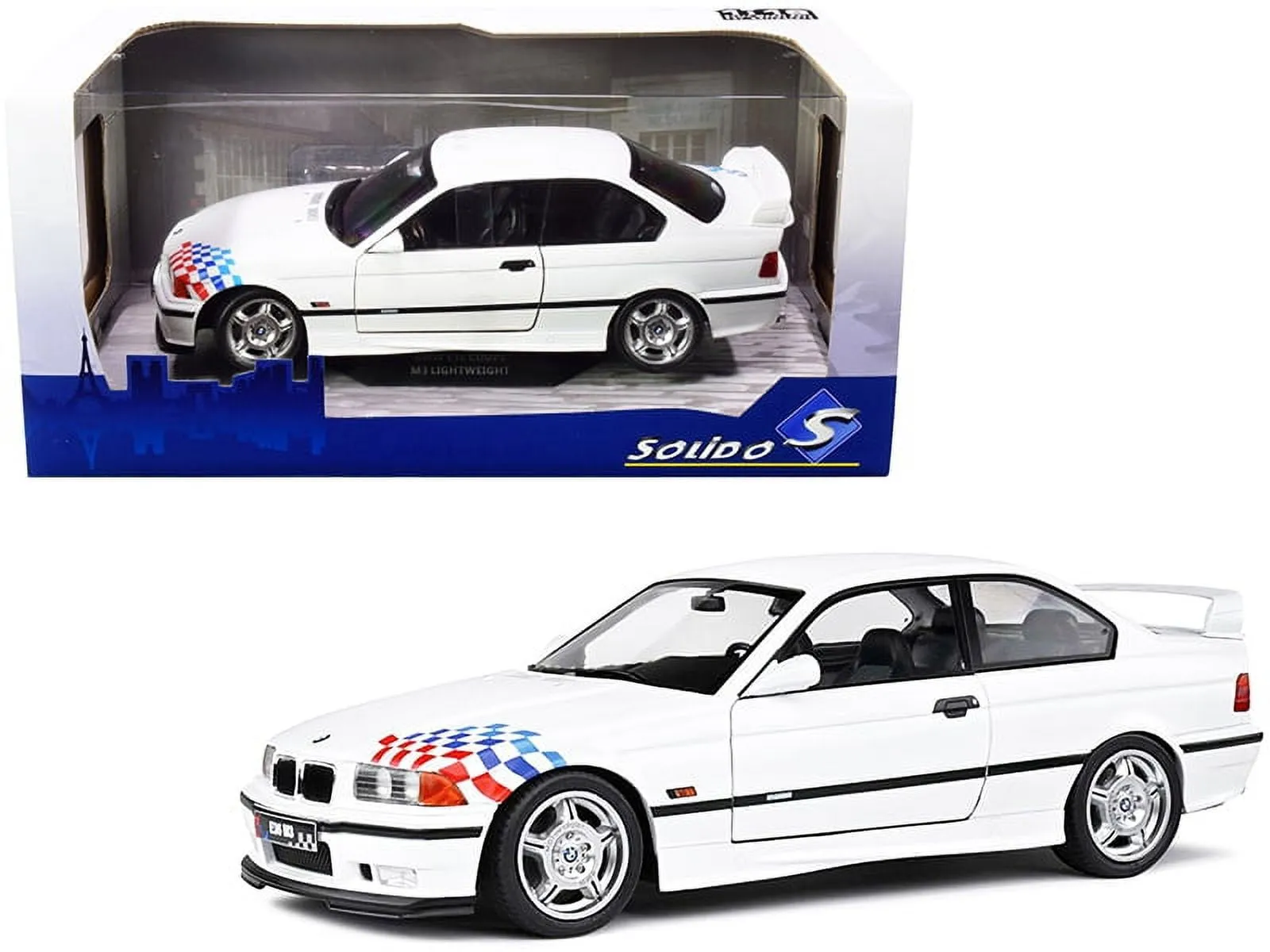
What are Diecast Cars?
Diecast cars are miniature replicas of real-world vehicles, meticulously crafted using a unique manufacturing process. These aren’t just toys; they are highly detailed models made primarily from metal, often with plastic and rubber components. Diecast cars come in various scales, each offering a different level of detail and size. From the familiar Hot Wheels to highly collectible, limited-edition models, diecast cars have captured the hearts of enthusiasts of all ages. These miniature vehicles are prized for their accuracy, collectibility, and the nostalgia they evoke. They represent a fascinating intersection of engineering, design, and the enduring appeal of automobiles.
The History of Diecast Cars
The history of diecast cars is rich and spans over a century, evolving from simple toys to sophisticated collectibles. Their journey mirrors the development of manufacturing techniques and the growing passion for automobiles. The earliest diecast models were rudimentary, but as manufacturing processes improved, so did the detail and realism of the models. These miniature cars quickly became popular among children and adults alike. Early diecast toys set the stage for a hobby that continues to thrive.
Early Diecast Toys

The origins of diecast cars can be traced back to the early 20th century. Early models were often simple and made from materials like lead or tin. These early toys were more about durability than intricate detail. Companies such as Dinky Toys and Corgi Toys were pioneers, producing a range of vehicles that quickly gained popularity. These toys offered children the opportunity to play with miniature versions of the cars they saw on the roads, sparking early interest in the hobby. The focus was on producing robust toys that could withstand rough play.
The Rise of Popularity
The popularity of diecast cars surged in the mid-20th century. Improvements in die-casting technology allowed for more detailed and realistic models. The post-war era saw a boom in consumerism, and diecast cars became increasingly sophisticated, with features like opening doors, detailed interiors, and realistic paint jobs. This era also marked the rise of iconic brands like Matchbox and Hot Wheels, which catered to different segments of the market, expanding the appeal of diecast cars to a broader audience and turning them into collectible items.
Materials Used in Diecast Car Production
The materials used in the production of diecast cars are crucial to their durability, detail, and overall quality. The primary material is typically a metal alloy, known for its strength and ability to capture fine details. Other components, such as plastic and rubber, are also essential in creating the realistic appearance and functionality of these miniature vehicles. The careful selection and application of these materials are what make diecast cars so appealing to collectors and enthusiasts. This process allows for the creation of highly detailed and durable models.
Metal Alloys

Metal alloys, usually zinc-based, are the backbone of diecast car construction. These alloys provide the necessary weight, strength, and ability to capture fine details during the manufacturing process. The die-casting process involves injecting molten metal into a mold under high pressure. This method allows for intricate designs and precise detailing, from the body panels to the engine components. The use of metal alloys also contributes to the durability of the models, making them resistant to wear and tear, and enhancing their value as collectibles.
Plastic Components
Plastic components play a significant role in diecast car production, often used for interior details, chassis, and smaller parts like headlights and taillights. Plastics are versatile and can be molded into complex shapes, allowing for a high degree of detail in the interior and exterior features. They also offer a lightweight alternative to metal for some components. The use of plastic allows manufacturers to create more intricate and realistic designs. This versatility makes plastic a cost-effective and practical choice for various parts in diecast cars.
Rubber Tires
Rubber tires are an essential part of diecast cars, providing realistic appearance and functionality. The choice of rubber contributes to the overall realism of the models. The tires are often made from high-quality rubber compounds that offer durability and a smooth rolling action. Rubber tires enhance the aesthetic appeal, making diecast cars more realistic and enjoyable to handle. They provide a crucial finishing touch, making diecast cars resemble their full-size counterparts.
Scale Sizes of Diecast Cars

Diecast cars come in a variety of scales, which refer to the ratio between the size of the model and the actual vehicle. Common scales like 1:18, 1:24, and 1:64 are widely recognized and collected. Each scale offers a different level of detail and size, catering to varied preferences among collectors. The scale determines not only the physical dimensions of the model but also the level of detail that can be incorporated. Understanding the different scales is essential for collectors who want to build a cohesive and aesthetically pleasing collection.
Common Scales
The most common diecast car scales include 1:18, 1:24, and 1:64. 1:18 scale models are larger and offer a high degree of detail, making them popular among serious collectors. 1:24 scale models strike a balance between detail and size, often featuring opening doors and detailed interiors. 1:64 scale, the size of Hot Wheels and Matchbox cars, is widely accessible and affordable, ideal for casual collectors and those new to the hobby. These scales cater to different collectors’ needs and preferences, each offering a unique collecting experience.
Rare and Unusual Scales
Beyond the common scales, there are also rare and unusual scales, such as 1:12, 1:43, and even smaller scales like 1:87 (HO scale). These scales are often associated with specific brands or models. 1:12 scale models are large and highly detailed. 1:43 scale models are popular for their detailed interiors and realistic appearance. HO scale is often used in model railroading and offers a different approach to collecting. These unusual scales provide unique collecting opportunities for those seeking diverse and specialized collections.
Key Features and Details

Diecast cars are known for their impressive level of detail, which sets them apart from other types of toys. Key features include opening doors, hoods, and trunks, allowing collectors to examine the interior and engine compartments. Realistic paint jobs, detailed interiors, and accurate decals further enhance their realism and appeal. These features contribute to their collectibility, making each model a miniature work of art. The attention to detail is what makes diecast cars so captivating and sought-after by enthusiasts.
Opening Doors, Hoods, and Trunks
Opening doors, hoods, and trunks are common features in many diecast models, enhancing the interactive experience and allowing collectors to explore the internal workings of the miniature vehicle. These features add to the realism and allow for a closer examination of the detailed interior and engine. The ability to open and close these parts elevates the overall value. These functional components add to the model’s appeal and allow enthusiasts to fully appreciate the craftsmanship.
Detailed Interiors
Detailed interiors are a hallmark of quality diecast cars, with intricate dashboards, seats, steering wheels, and other components. Many models feature detailed interiors that replicate the look and feel of the real cars. Manufacturers pay close attention to the seats, dashboard, and other interior elements, often incorporating accurate gauges, steering wheels, and other details. This high level of detail makes the model more realistic and appealing to collectors. This meticulous detailing is what makes diecast cars so visually compelling.
Realistic Paint Jobs and Decals

Realistic paint jobs and decals are crucial to the authenticity of diecast cars. Manufacturers use high-quality paints and precision printing techniques to replicate the colors and markings of real vehicles. The paint jobs often include multiple layers and finishes to achieve a realistic look. Decals, such as logos, badges, and racing stripes, add to the realism, replicating the original vehicles’ details. These paint jobs and decals elevate the aesthetic appeal, making the diecast cars look stunning and realistic. This attention to detail enhances the overall collectibility.
Collecting Diecast Cars
Collecting diecast cars is a rewarding hobby that combines passion, knowledge, and appreciation for miniature vehicles. Deciding what to collect, displaying your cars, and caring for your collection are essential aspects of this hobby. Collectors can choose to focus on specific brands, types of cars, or time periods. Proper storage, display, and care are crucial to preserving the value and beauty of these collectibles. The process of collecting and appreciating these models creates a sense of community and personal satisfaction.
Choosing Your Collection
Choosing what to collect is the first step in building a diecast car collection. Collectors often specialize in certain brands, model types, or eras. For instance, you might focus on classic cars, modern sports cars, or a specific brand like Hot Wheels. Alternatively, some collectors focus on particular themes, like race cars or movie vehicles. The best approach is to choose a theme that interests you, allowing you to build a collection you truly enjoy. Defining your focus makes it easier to find and acquire the models you want.
Displaying Your Cars

Displaying your diecast cars is an essential part of the hobby. There are multiple ways to display your cars, including display cases, shelves, and custom-built dioramas. Display cases protect your models from dust and damage. Shelves offer a simple and accessible way to showcase your collection. Custom dioramas allow you to create miniature scenes, enhancing the presentation of your cars. The display method can showcase your collection and protects them from damage. Consider the space you have available and your preferred aesthetic when choosing a display method.
Caring for Your Collection
Caring for your diecast car collection ensures that your models remain in excellent condition. This includes protecting them from dust, sunlight, and extreme temperatures. Dusting your models regularly and storing them away from direct sunlight will prevent fading and damage. Proper storage, such as in display cases or protective packaging, also helps preserve their value. Careful handling and maintenance are essential to keep your collection in the best possible condition. Careful care and maintenance will ensure your models stay in top condition.
Top Diecast Car Brands
The diecast car market is dominated by several leading brands, each with its unique strengths and target audience. Hot Wheels and Matchbox are well-known for their wide availability and appeal to a broad audience. Other popular brands include premium manufacturers such as Autoart, Minichamps, and CMC. These brands vary in price, scale, and level of detail, providing a diverse range of choices for collectors. Knowing the top brands is essential for collectors looking to add quality and variety to their collections.
Hot Wheels

Hot Wheels is a well-known brand among diecast car enthusiasts, with its extensive range of models and affordable prices. Known for their colorful designs and exciting themes, Hot Wheels cars are widely collected by children and adults. The brand has been a mainstay for generations. Hot Wheels offers many models, including classic cars, modern vehicles, and fantasy designs. Their affordable prices and wide availability make them a great entry point into the hobby. Hot Wheels’ innovative designs and engaging marketing have made it a favorite among collectors worldwide.
Matchbox
Matchbox is another iconic brand, known for its realistic models. Matchbox offers a wide range of vehicles, from cars and trucks to emergency vehicles and construction equipment. Matchbox’s emphasis on realism and practicality makes it popular. Matchbox offers a wide array of models, catering to different tastes. Matchbox’s dedication to producing high-quality, true-to-life vehicles has made it a favorite. The brand has a long-standing reputation for producing durable and detailed models that appeal to both children and adult collectors.
Other Popular Brands
Beyond Hot Wheels and Matchbox, several other brands offer premium diecast cars, catering to serious collectors who appreciate high detail. Autoart is known for producing highly detailed models in 1:18 scale, capturing the essence of the real vehicles. Minichamps is another popular brand, known for its vast selection of models and detailed interiors. CMC (Classic Model Cars) is known for its exquisite craftsmanship and high-end models. Each brand offers unique features and strengths, catering to different segments of the collecting market and collector preferences.
The Value of Diecast Cars
The value of diecast cars varies greatly, depending on factors such as rarity, condition, brand, and historical significance. Factors such as limited production runs, special editions, and collaborations with other brands influence their value. Maintaining the condition of the model is critical in preserving its value. Understanding these factors can help collectors assess the value of their models. Diecast cars can be worth a lot of money, making them a rewarding investment. The value of a diecast car is often determined by multiple factors.
Factors Affecting Value
Several factors affect the value of diecast cars. Rarity is a major determinant, with models produced in limited quantities or special editions often fetching higher prices. The condition of the car is another key factor. Mint-condition models with original packaging are generally more valuable. Brand reputation also plays a role, with premium brands often commanding higher prices. Historical significance, such as being a replica of a famous car or representing a significant era, also increases value. The presence of original packaging can greatly increase the value, so keep the original box.
Rare and Valuable Models
Some diecast car models are extremely rare and valuable, often sought after by serious collectors and investors. Limited-edition models, prototypes, and cars with significant historical relevance can command high prices at auctions and private sales. Factors contributing to their value include low production numbers, unique features, and association with important events. These models often represent a significant investment. Owning one of these can be a good investment. These rare models are not just toys; they are valuable collector’s items.
Where to Buy Diecast Cars
Diecast cars are available through a variety of channels, from online marketplaces to local hobby shops and diecast car shows. Each option offers unique advantages. Online marketplaces provide access to a vast selection of models. Local hobby shops offer a personalized shopping experience and the opportunity to connect with other collectors. Diecast car shows provide a chance to find rare models and meet enthusiasts. The best place to buy depends on your preferences and collecting goals. Finding the right source can enhance your collecting experience.
Online Marketplaces
Online marketplaces, such as eBay and specialized diecast car websites, offer an expansive selection of diecast cars. These platforms provide access to a wide variety of models. Online marketplaces offer competitive prices, making it easy to compare different models from different sellers. Many sites have buyer protection, which can enhance your peace of mind. Online marketplaces are very convenient for collectors who want to find rare and hard-to-find models. These platforms provide many models at your fingertips.
Local Hobby Shops
Local hobby shops offer a personalized shopping experience and the chance to see the models in person. Hobby shops often have knowledgeable staff who can provide advice. These shops are an excellent source for finding rare models and building relationships within the collecting community. Local hobby shops provide a more hands-on experience. If you enjoy hands-on experience, a local hobby shop is the perfect choice for you.
Diecast Car Shows
Diecast car shows are gatherings where collectors and dealers come together to buy, sell, and trade models. Attending these events is a great way to discover rare models. Car shows provide a unique opportunity to meet other collectors, share your passion, and learn more about the hobby. These events are ideal for collectors looking to expand their collections. Car shows are ideal for finding hidden gems and rare models, as well as networking with other enthusiasts.
Customizing Diecast Cars
Customizing diecast cars is a rewarding aspect of the hobby, allowing collectors to add a personal touch to their models. Painting, detailing, and modifying components are all ways to create unique and personalized cars. Customizing your models can range from simple paint jobs to complex modifications. The process allows collectors to express their creativity and create one-of-a-kind pieces. Customization allows collectors to create unique cars that reflect their personal interests and preferences.
Painting and Detailing
Painting and detailing are essential aspects of customizing diecast cars. Customizers use various techniques and tools, from airbrushes to fine-tipped brushes, to apply paint, decals, and weathering effects. High-quality paints and attention to detail are essential for achieving realistic results. Weathering can give your car a used appearance. The aim is to create a finish that enhances the car’s appearance and reflects the collector’s vision. Painting and detailing allows collectors to add a personal touch to their collection.
Modifying Components
Modifying components, such as wheels, tires, and suspension parts, allows collectors to enhance the functionality and appearance of their diecast cars. Replacing the wheels with custom rims can give the car a unique look. Modifying the suspension can alter the ride height. This offers a high degree of personalization. Modifying components allows collectors to transform their models into custom creations. This allows you to create unique cars.
Diecast Cars as Investments
Diecast cars can be considered investments, as some models appreciate in value over time. Limited-edition models, vintage cars, and those with significant historical relevance can become valuable collectibles. The value of these models depends on factors such as rarity, condition, and market demand. Collecting diecast cars can offer both enjoyment and potential financial returns. Investing in diecast cars can be a good way to grow wealth. Investing in diecast cars offers a good combination of pleasure and profit.
Long-Term Value
The long-term value of diecast cars depends on various factors, including market trends, rarity, and the condition of the models. Models that are in pristine condition, especially those with original packaging, tend to increase in value over time. Limited-edition models and those from reputable brands often hold their value well. The market for diecast cars is driven by collector demand, and certain models can become highly sought after. Long-term value depends on various things.
Market Trends
Market trends influence the value of diecast cars. Collectors should watch what is popular, and trends help shape what is valuable. Specific brands, model types, and eras might be particularly popular at different times. Staying informed about market trends can help collectors make informed decisions. The collector should be up to date on trends. Collectors should follow the trends, allowing them to capitalize on opportunities and maximize their collection’s value. Knowing the trends is important.